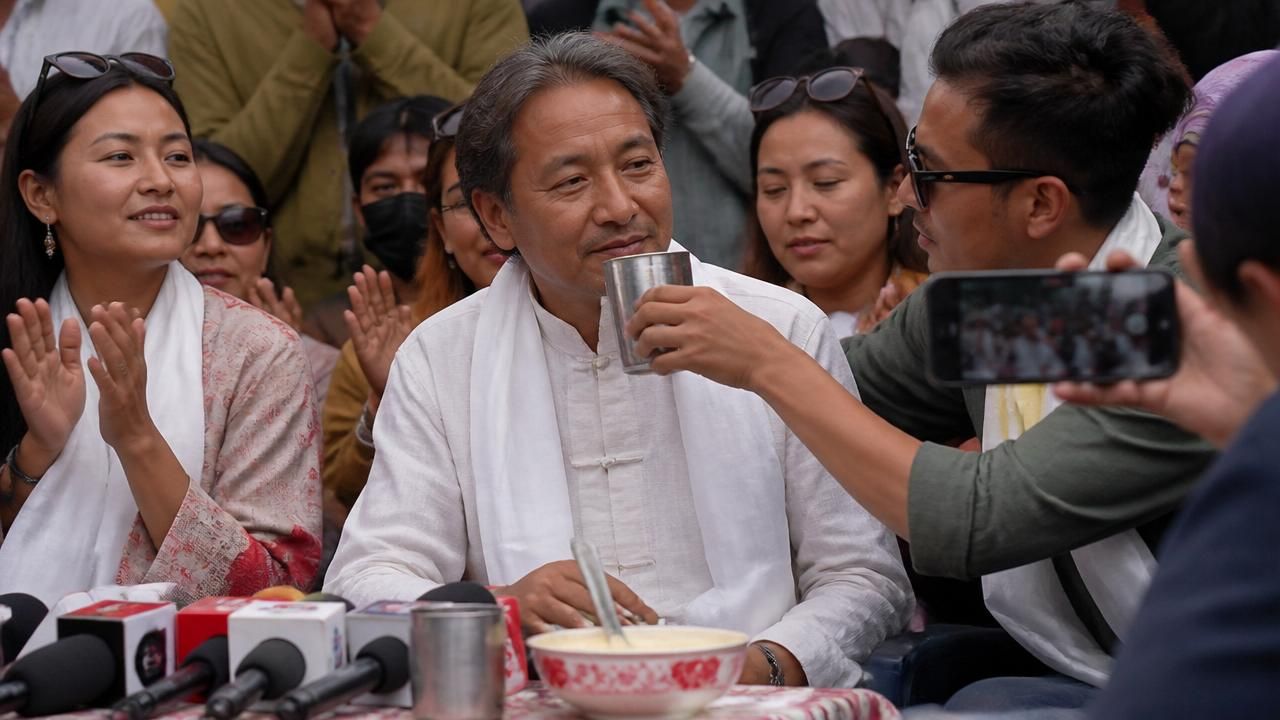
After 26 days of a hunger strike that drew national and international attention, prominent Indian activist Sonam Wangchuk ended his fast on Friday, July 26, 2024, following written assurances from the central government on exam paper leaks and education reforms. However, the youth-led 'Cockroach' protest movement he inspired vowed to press on, demanding the resignation of Union Education Minister Dharmendra Pradhan.
A Hunger Strike That Galvanized a Movement
Wangchuk, known for his work in education and environmental activism in Ladakh, began his hunger strike on June 30 at Jantar Mantar in New Delhi, demanding a crackdown on the widespread leaking of competitive exam papers, particularly the NEET-UG medical entrance exam. The leaks, which affected hundreds of thousands of students, sparked outrage across India. Wangchuk’s fast became a rallying point for the Cockroach Janata Party (CJP), a youth group that adopted the 'cockroach' symbol as a mark of resilience. According to NPR and The Guardian, Wangchuk’s health deteriorated significantly; he lost 11 kilograms and was hospitalized briefly.
Government Assurances and the End of the Fast
Wangchuk ended his hunger strike after receiving a written assurance from the Ministry of Education, confirmed by multiple sources including Business Standard and The Quint. The government committed to: stricter laws against paper leaks with a new bill in parliament, a high-level investigation into the NEET leak, reforms in the examination system, and a timeline for implementation. Prime Minister Narendra Modi personally reached out, tweeting, “Regain your old weight as soon as possible,” as reported by Republic World and NDTV. Wangchuk stated, “This is the end of hunger, but the beginning of accountability,” according to his statement covered by Republic World.
Differing Perspectives on the Outcome
While Wangchuk framed his decision as a strategic victory, the CJP and many protesters expressed disappointment that he ended the fast without securing Pradhan’s resignation. Reuters and BBC reported that CJP representatives held talks with the government but left without a resolution. CJP founder Abhijeet Dipke told Instagram followers, “Our protest at Jantar Mantar will continue until the education minister resigns. We will not let Wangchuk’s sacrifice go in vain.” Some opposition politicians, like Shiv Sena’s Sanjay Raut, accused the government of trying to suppress the movement, as noted by India Gazette.
The 'Cockroach' Protests: A Youth Uprising
The protests, named after the insect’s reputation for survival, have spread to multiple cities, including Mumbai, Kolkata, and Bengaluru. Sky News and DW described them as “one of India’s largest youth-led protests in recent years.” Demonstrators, many of them medical aspirants, have clashed with police, leading to arrests and a crackdown on July 25. The CJP’s demand for Pradhan’s resignation stems from allegations that the ministry failed to prevent the leaks and mishandled the response.
Historical Context: Exam Leaks in India
Paper leaks have plagued India’s competitive exams for years, undermining trust in the education system. In 2023, similar leaks affected the CTET and UGC-NET exams. The NEET-UG 2024 leak, which saw question papers sold for thousands of dollars, was particularly damaging. Britannica noted that Wangchuk’s activism highlighted systemic corruption and the need for reform. The government’s new bill proposes up to 10 years in prison for leaks, but critics argue that without accountability at the top, change will be slow.
What Happens Next?
With Wangchuk recovering, the CJP has called for a nationwide protest on July 27, including a march to parliament. The government has sought time on the resignation demand, but the movement shows no signs of abating. As one protester told BBC News, “Wangchuk ended his fast, but we will not stop until justice is done.” The coming days will test whether the government’s assurances can quell the anger or if the 'cockroach' protests will force a political shake-up.