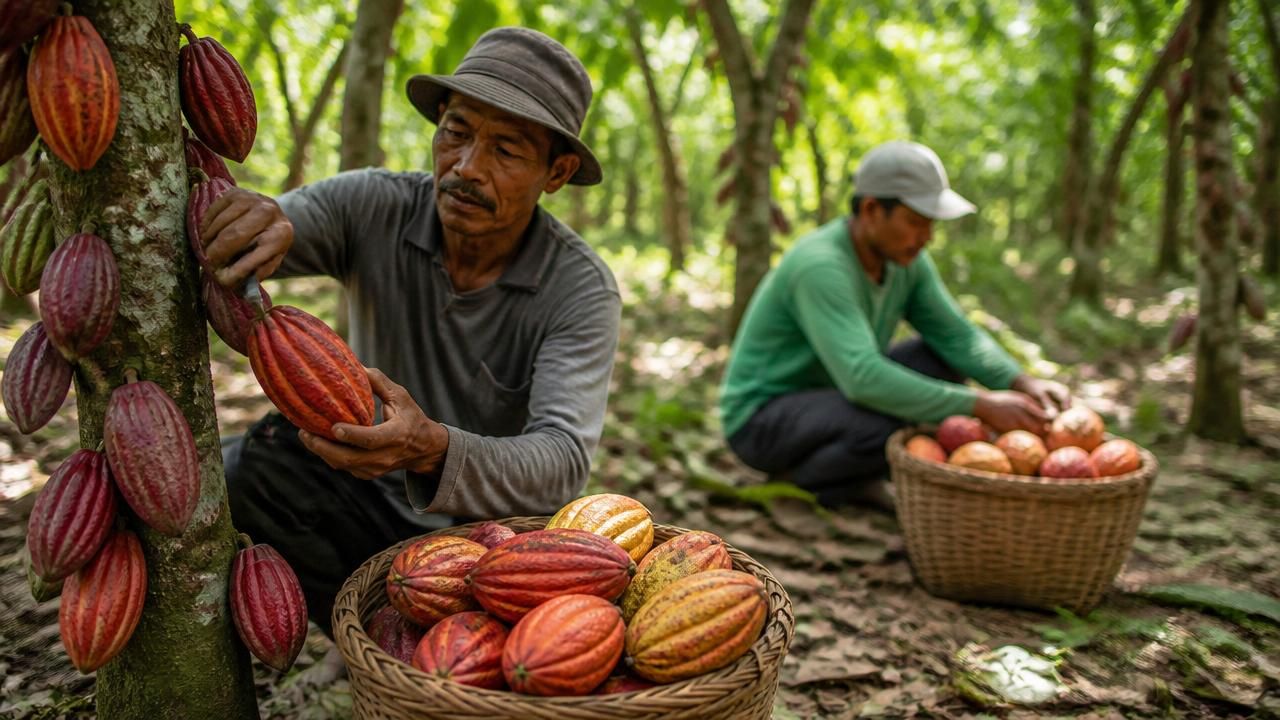
Indonesia, once the world's third-largest cocoa producer, is embarking on an ambitious plan to revive its cocoa sector after years of underinvestment, aging trees, and pest infestations have left the industry struggling to meet demand. The country, which now relies increasingly on imports to satisfy its processing capacity, is seeking to restore its position in the global cocoa market.
The Decline of Indonesian Cocoa
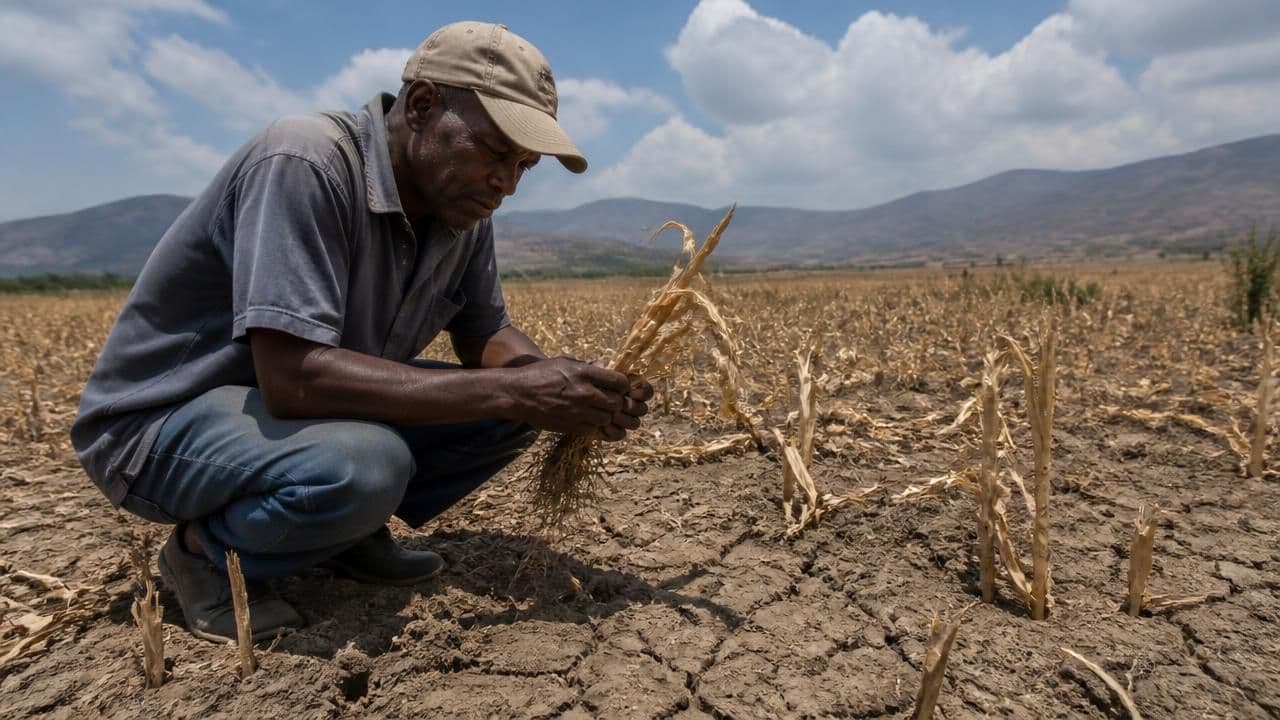
Indonesia's cocoa production has been in steady decline over the past decade. According to industry data, output fell from a peak of over 800,000 tons in 2010 to less than 600,000 tons in recent years. The main culprits are aging trees—many planted in the 1980s and 1990s—that have become less productive, combined with the spread of pests like cocoa pod borer and vascular-streak dieback disease. Smallholder farmers, who account for over 90% of production, have lacked the resources to replant or invest in better farming practices.
This decline has forced Indonesian cocoa processors to import beans from West Africa and other origins to keep their factories running. In 2023, Indonesia imported around 200,000 tons of cocoa beans, up from just 50,000 tons a decade earlier.
Government Intervention and Revival Plans
The Indonesian government has recognized the urgency of the situation. Under the leadership of President Prabowo Subianto, who took office in 2024, the administration has launched a multi-pronged strategy to revitalize the cocoa sector. Key measures include distributing high-yielding cocoa seedlings to farmers, providing subsidies for fertilizers and pesticides, and offering technical training in pest management and post-harvest handling.
“We want to reduce our dependence on imports and ensure that our cocoa farmers can earn a decent living,” said a senior official at the Ministry of Agriculture, speaking on condition of anonymity. The government has set a target of increasing production by 50% over the next five years.
Replanting and Rehabilitation
A central component of the revival plan is a massive replanting program. The government aims to replace old and unproductive trees with new, disease-resistant varieties that can yield up to 2 tons per hectare, compared to the current average of 0.8 tons. Farmers will receive free seedlings and financial incentives to participate.
“Replanting is critical,” said Dr. Siti Nurjanah, an agricultural economist at the University of Indonesia. “But it requires a long-term commitment from farmers who may not see returns for several years. The government's support is essential to bridge that gap.”
Pest Control and Climate Adaptation
Pest and disease management is another priority. The government is promoting integrated pest management (IPM) techniques and has established early warning systems to detect outbreaks. Climate change also poses a threat, as rising temperatures and changing rainfall patterns affect cocoa growing regions. Adaptation strategies include introducing shade trees and improving irrigation.
Industry Response and Global Context
The revival effort has been welcomed by Indonesia's cocoa processing industry, which includes major players like PT. Bumi Tangerang and PT. Cargill Indonesia. Processors have long complained about the shortage of domestic beans, which forces them to pay higher prices for imports and reduces their competitiveness.
“We are fully supportive of the government's initiatives,” said a spokesperson for the Indonesian Cocoa Industry Association. “If successful, this could transform the sector and make Indonesia a major exporter again.”
Globally, cocoa prices have been volatile, with a recent surge due to supply concerns in West Africa. Indonesia's revival could help stabilize the market and provide an alternative source for chocolate makers.
Challenges and Criticisms
Despite the optimism, significant challenges remain. Many smallholder farmers are skeptical, having seen previous government programs fail to deliver results. Corruption and bureaucracy have also hindered past efforts. President Prabowo's administration, which has launched anti-graft raids and a crackdown on tycoons, aims to address these issues, but progress has been slow.
“The government needs to ensure that funds reach the farmers and that extension services are effective,” warned Dr. Nurjanah. “Without proper implementation, this plan could go the way of previous ones.”
Some experts also question the focus on increasing production, arguing that improving quality and sustainability should be the priority. “Indonesia has the potential to produce high-quality specialty cocoa,” said a chocolate industry consultant. “But that requires a shift in mindset from quantity to quality.”
Looking Ahead
Indonesia's cocoa revival is a long-term endeavor that will require sustained investment and political will. If successful, it could lift millions of smallholder farmers out of poverty and restore the country's status as a cocoa powerhouse. For now, the world will be watching closely.
“We want to reduce our dependence on imports and ensure that our cocoa farmers can earn a decent living.” — Senior official, Indonesian Ministry of Agriculture
With the right policies and execution, Indonesia's cocoa sector may yet see a sweet revival.