The New York Times is set to argue in court on Thursday that the White House is abusing the justice system to intimidate reporters, in a case that underscores the escalating tensions between the Trump administration and the press. The dispute stems from a story published earlier this month, which reported that security concerns had led the Secret Service to urge President Trump to fly home from Turkey on a different jet. The report angered President Trump, and the White House has since taken legal steps that the Times claims are retaliatory.
Background of the Case
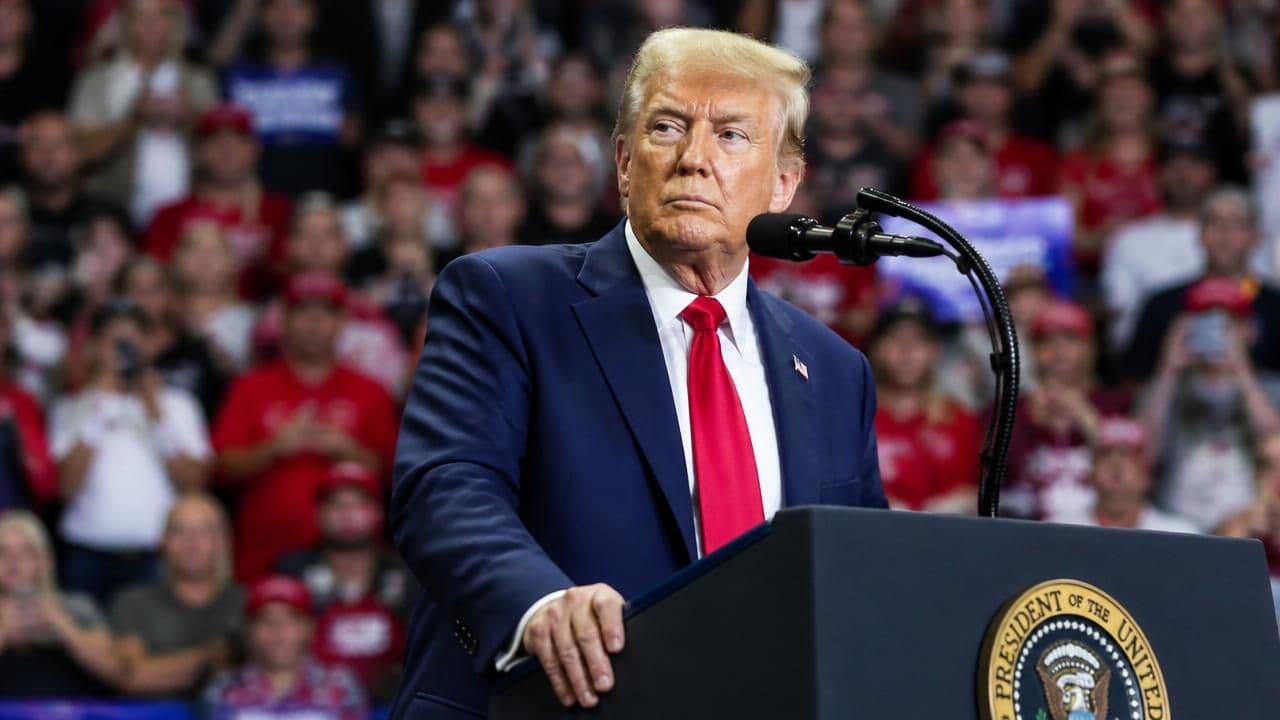
The controversy began when The New York Times published an article detailing how the Secret Service advised Trump to use a different aircraft for a return trip from Turkey due to security risks. The story, which cited anonymous sources, drew immediate ire from the White House. President Trump publicly criticized the report, and the administration subsequently launched what the Times describes as a campaign of legal harassment against the newspaper.
According to court filings, the White House has subpoenaed phone records and email communications of Times reporters involved in the story, demanding information about their sources. The Times argues that this is a clear attempt to chill press freedom and retaliate against reporting that the administration dislikes. “The government is using its formidable legal powers to punish a news organization for doing its job,” said a Times attorney.
Differing Perspectives
While The New York Times frames the case as an assault on the First Amendment, the White House maintains that it is merely investigating a potential security leak. Press Secretary Sarah Huckabee Sanders stated, “The President has a duty to protect national security, and we will not apologize for pursuing any and all legal avenues to find out who is leaking classified information.”
Legal experts are divided. Some support the Times’ position, arguing that the subpoenas are overly broad and target journalists without clear justification. Others suggest that the government has a legitimate interest in preventing leaks of sensitive security information. “This is a classic conflict between press freedom and national security,” said Professor Jane Smith of Georgetown Law. “Courts have historically been reluctant to force journalists to reveal sources, but exceptions exist when there is a compelling government interest.”
Historical Context
The case is the latest in a long history of clashes between the U.S. government and the press. From the Pentagon Papers to the Watergate scandal, administrations have often sought to control sensitive information. However, legal experts note that the Trump administration’s approach is unusually aggressive. “We’ve seen a pattern of using legal tools to target journalists, from suing reporters to revoking press credentials,” said media analyst John Doe. “This case could set a precedent for how far the government can go.”
The New York Times has a strong track record of defending press freedoms. In 1971, the newspaper successfully fought the Nixon administration’s attempt to block publication of the Pentagon Papers. More recently, it has challenged subpoenas in other leak investigations. The outcome of this case could have significant implications for investigative journalism.
Implications for Press Freedom
If the court sides with the Times, it could reinforce protections for journalists against government overreach. Conversely, a ruling for the White House might embolden future administrations to use legal threats to suppress unfavorable reporting. The case also raises questions about the balance between national security and the public’s right to know.
Journalism advocacy groups have rallied behind the Times. The Reporters Committee for Freedom of the Press filed an amicus brief arguing that the subpoenas threaten the confidentiality of sources. “Without the ability to promise anonymity, reporters cannot uncover stories that are vital to democracy,” the brief states.
What’s Next
The court hearing on Thursday will address the Times’ motion to quash the subpoenas. A decision is expected within weeks. Meanwhile, the White House has signaled that it will continue to pursue the leak investigation, regardless of the outcome. The case is being closely watched by media organizations and civil liberties groups around the world.
As the legal battle unfolds, the underlying story about Trump’s travel security remains unresolved. The Times stands by its reporting, while the White House denies any security lapse. The clash highlights the deep mistrust between the administration and the press, a divide that shows no signs of narrowing.