The Trump administration has announced that excavation work on a proposed 250-foot “Triumphal Arch” in Washington, D.C., will begin within the next two weeks, even as a key federal approval remains pending. The announcement has spurred Vietnam veterans who previously filed suit against the project to seek an emergency court order to halt construction.
Fast-tracked groundbreaking draws legal challenge
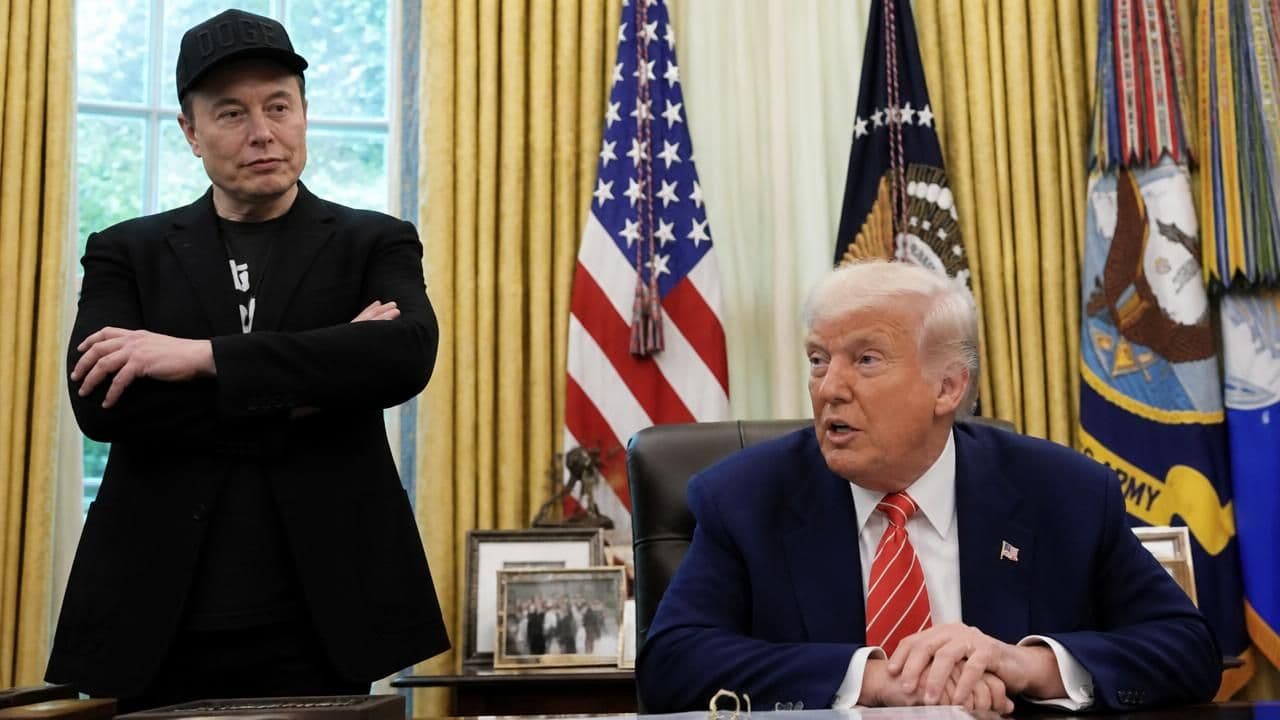
Interior Secretary Doug Burgum revealed the timeline during a recent statement, saying that “excavation work” would commence imminently. However, the move bypasses a final sign-off from a federal body historically responsible for reviewing major construction in the nation’s capital, raising questions about procedural legality.
“Excavation work will begin in the next two weeks.” — Interior Secretary Doug Burgum
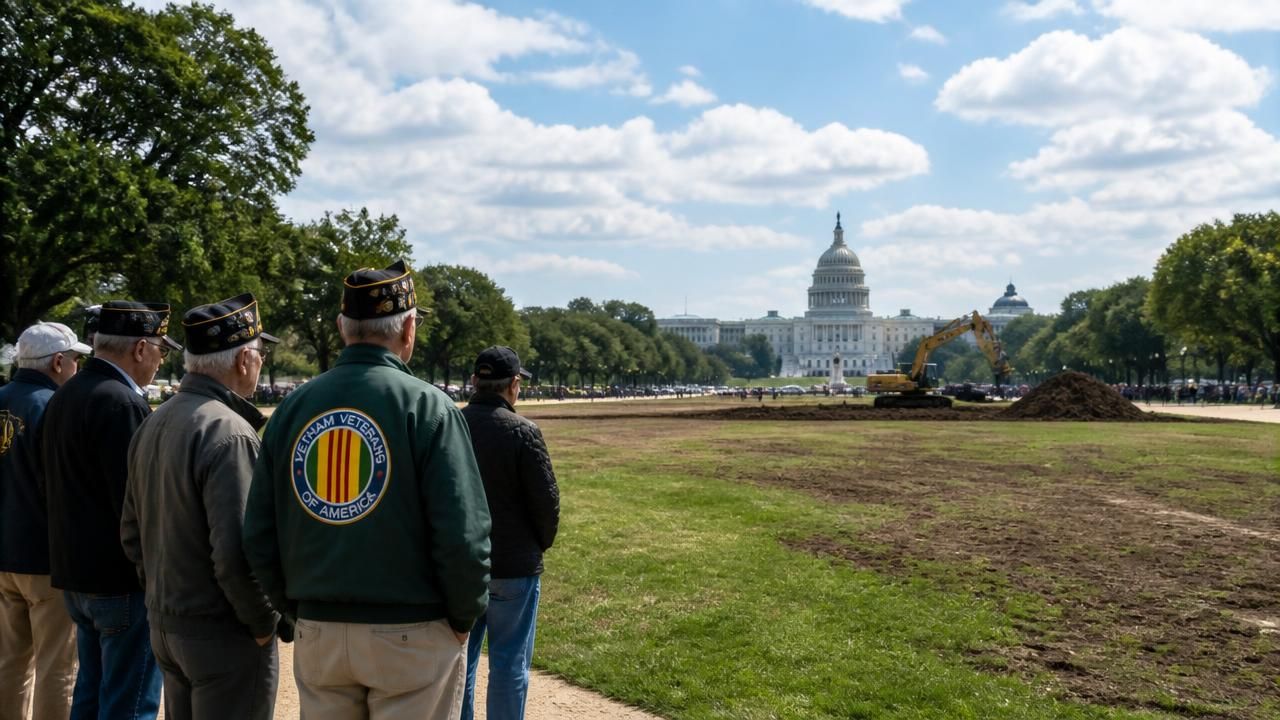
The project, colloquially known as Trump’s arch, has been a flashpoint since its announcement. The Vietnam veterans, a group that has been suing over the arch’s development, argue that starting construction without the required approval disregards the law and could cause irreversible harm to the site.
Veterans ask court to intervene
The veterans’ legal team has now filed an emergency motion asking a judge to block the groundbreaking before any bulldozers arrive. Their case underscores a broader conflict between expedited presidential projects and established review processes.
“We are seeking immediate relief to prevent the excavation from proceeding until the court has had a chance to rule on the merits,” a representative for the veterans said, according to multiple reports.
This is not the first time the project has encountered legal friction. The plaintiffs previously argued that the arch would overshadow and disrespect the historical and memorial character of the surrounding area, which is dotted with monuments dedicated to American service members.
Administration’s position
Supporters of the project, including the President, maintain that the arch will serve as a symbol of national unity and honor. They argue that the incomplete approval is merely a formality and that delays undermine the public interest.
The Interior Department, for its part, has framed the quick timeline as a cost-saving and logistical necessity. By starting excavation now, the administration could sidestep potential holdups later in the construction season, officials familiar with the matter said.
Media framing and public reaction
Coverage of the announcement illustrates the country’s partisan divide. Conservative-leaning outlets emphasized the administration’s determination to carry out a campaign promise and criticized agencies for slow-walking approvals. MSN’s coverage referenced the project with quotation marks around “Triumphal Arch,” signaling skepticism. Meanwhile, NPR and HuffPost centered the veterans’ narratives, presenting the lawsuit as a David-versus-Goliath fight to preserve memorial integrity. The New York Times, in its typically measured tone, reported the procedural irregularity without strong editorializing. Internationally, LBC noted that the arch has become a symbol of American political polarization.
Historical echoes and implications
The clash comes amid a broader pattern of executive action accelerating projects that face local or bureaucratic resistance. From border walls to infrastructure overhauls, recent administrations of both parties have occasionally sought to bypass standard procedures when they feel time is of the essence.
However, the District of Columbia’s unique federal oversight means that most large-scale construction requires sign-offs from multiple agencies, including commissions specifically designed to preserve the city’s iconic skyline. The decision to proceed without final approval sets up a high-stakes legal and constitutional confrontation.
Key facts at a glance
- Height: 250 feet
- Location: Washington, D.C.
- Groundbreaking: Expected within two weeks
- Status: Final approval pending
- Opponents: Vietnam veterans and allied groups
What happens next?
The emergency motion will likely be heard within days. If the court declines to block the work, excavation will commence as announced. If the judge issues a temporary restraining order, the project’s timeline will be thrown into uncertainty.
Legal experts are divided on the outcome. Some believe the court will defer to the executive branch’s interpretation of its authority, especially in matters related to federal land. Others note that federal courts frequently enforce procedural requirements when an agency has clearly failed to follow its own rules.
For the veterans, this is about more than one monument. It’s about safeguarding the meaning of the spaces where the nation honors its military sacrifices. For the administration, it’s about delivering on promises and overcoming bureaucratic inertia. Either way, the next two weeks will be critical.
This is a developing story. More updates to come.