Zimbabwe’s state-owned lithium miner, Mutapa Energy Resources, has secured $300 million in funding from a consortium of companies, including Chinese entities, to develop its lithium assets in the southern African nation. The deal marks a significant step in Zimbabwe’s ambitions to become a major supplier of lithium, a critical mineral for the global electric vehicle (EV) battery industry.
Who, What, When, Where, Why
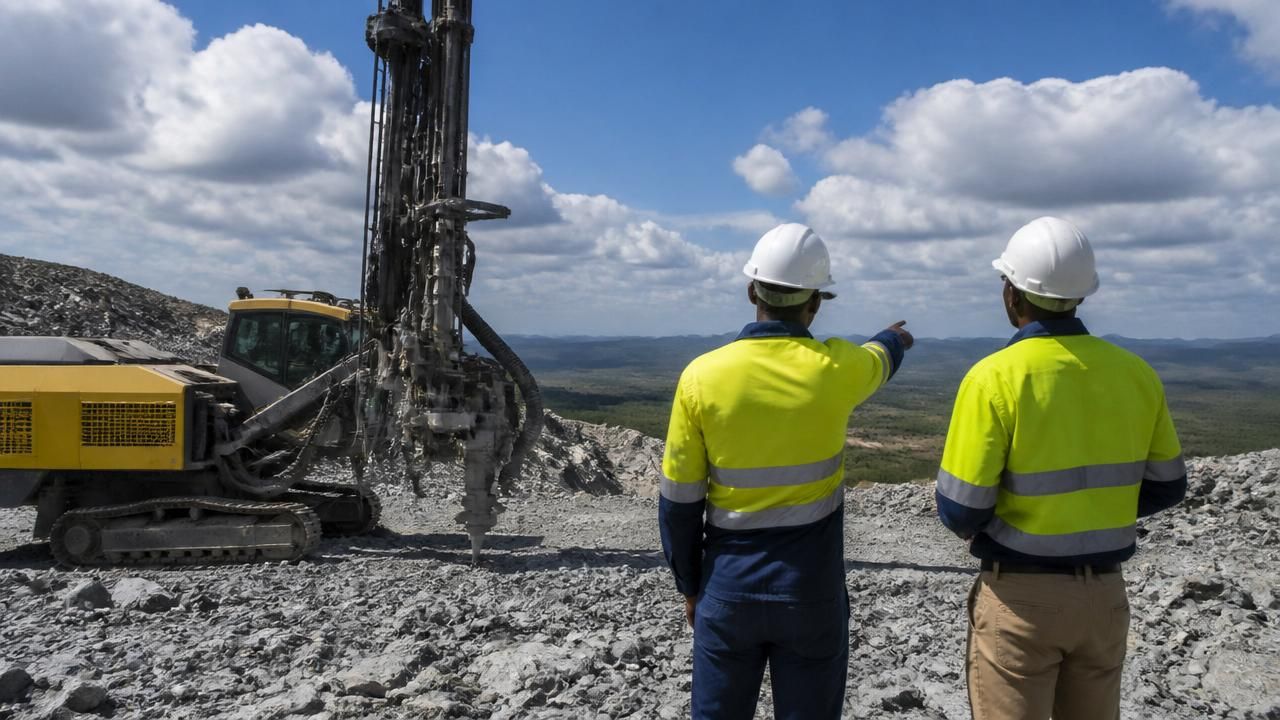
The agreement was announced in early 2025, with Mutapa Energy Resources leading the project. The $300 million investment will be used to develop lithium mines and associated infrastructure, including a freight rail link to export routes. The funding comes from a group of Chinese mining giants, including Sinomine Resource Group and Zhejiang Huayou Cobalt, among others. The project is located in Zimbabwe’s Great Dyke region, one of the world’s most lithium-rich areas.
The investment is driven by global demand for lithium, which is essential for EV batteries. Zimbabwe, which holds some of Africa’s largest lithium reserves, aims to leverage this resource to boost its economy and reduce reliance on traditional exports like tobacco and gold.
Differing Perspectives
Bloomberg Markets framed the deal as a strategic win for Zimbabwe, highlighting the state-owned firm’s role in securing financing. Moneyweb.co.za emphasized the Chinese involvement, noting that the funding underscores Beijing’s growing influence in Africa’s critical mineral sector. Dabafinance.com focused on the miners’ push to advance the project despite global economic uncertainties. The Zimbabwean.co.za portrayed the partnership as a collaboration between Chinese giants and the Zimbabwean government, while Heraldonline.co.zw quoted officials asserting that the sector remains secure under the ownership of global investors.
Meanwhile, MSN’s coverage highlighted two contrasting angles: one story detailed the addition of a freight rail option to the export gateway, improving logistics, while another noted that the US has committed $300 million to detach from China in critical minerals, injecting geopolitical tension into the narrative. Some analysts view the Chinese investment as a double-edged sword—providing much-needed capital but increasing Zimbabwe’s dependence on China.
Historical Context
Zimbabwe’s lithium sector has seen a surge of interest since 2020, when the government banned the export of raw lithium ore to encourage local processing. The country has since attracted billions of dollars in investments from Chinese firms, including Huayou Cobalt’s $300 million acquisition of the Arcadia lithium project in 2021. The new funding for Mutapa Energy Resources is part of a broader trend of Chinese dominance in global lithium supply chains, which also spans Australia, Chile, and the Democratic Republic of Congo.
The US and other Western nations have grown wary of this dependence. In 2024, the US announced a $300 million commitment to develop alternative critical mineral supply chains, aiming to reduce reliance on China. This has created a competitive landscape where Zimbabwe finds itself courted by both East and West.
Data Points and Expert Views
According to industry estimates, Zimbabwe could produce up to 100,000 tonnes of lithium concentrate annually by 2027, up from virtually nothing in 2020. The country’s lithium reserves are estimated at 10 million tonnes, making it one of the top five globally. Dr. Tafadzwa Moyo, a mining economist at the University of Zimbabwe, said: “This investment is a game-changer for our economy. It will create thousands of jobs and generate significant export revenue. However, we must ensure that the benefits are shared equitably and that environmental standards are upheld.”
Geopolitical analyst Dr. Sarah Jones of Chatham House noted: “The US and China are locked in a battle for control of critical minerals. Zimbabwe is leveraging this competition to secure favorable terms, but it risks becoming a pawn in a larger game.”
Implications
The $300 million investment will enable Mutapa Energy Resources to develop its mining operations and build a dedicated freight rail line to the port of Beira in Mozambique, reducing export costs. This infrastructure is crucial for Zimbabwe to compete with established lithium producers like Australia and Chile.
For the global EV industry, the project ensures a diversified supply of lithium, which is currently dominated by Australia and South America. However, the heavy Chinese involvement may raise concerns among Western automakers seeking to secure ethical and geopolitically safe supply chains.
In Zimbabwe, the deal has been met with mixed reactions. Some see it as a lifeline for the struggling economy, while others worry about environmental degradation and the potential for debt-trap diplomacy. The government has pledged to enforce strict environmental regulations and ensure local communities benefit from the mining boom.
Conclusion
The $300 million investment in Mutapa Energy Resources represents a pivotal moment for Zimbabwe’s lithium sector. As Chinese firms deepen their footprint and Western nations scramble to catch up, Zimbabwe stands at the crossroads of a global resource race. The success of this project will depend on transparent governance, sustainable practices, and the ability to balance foreign investment with national interests.