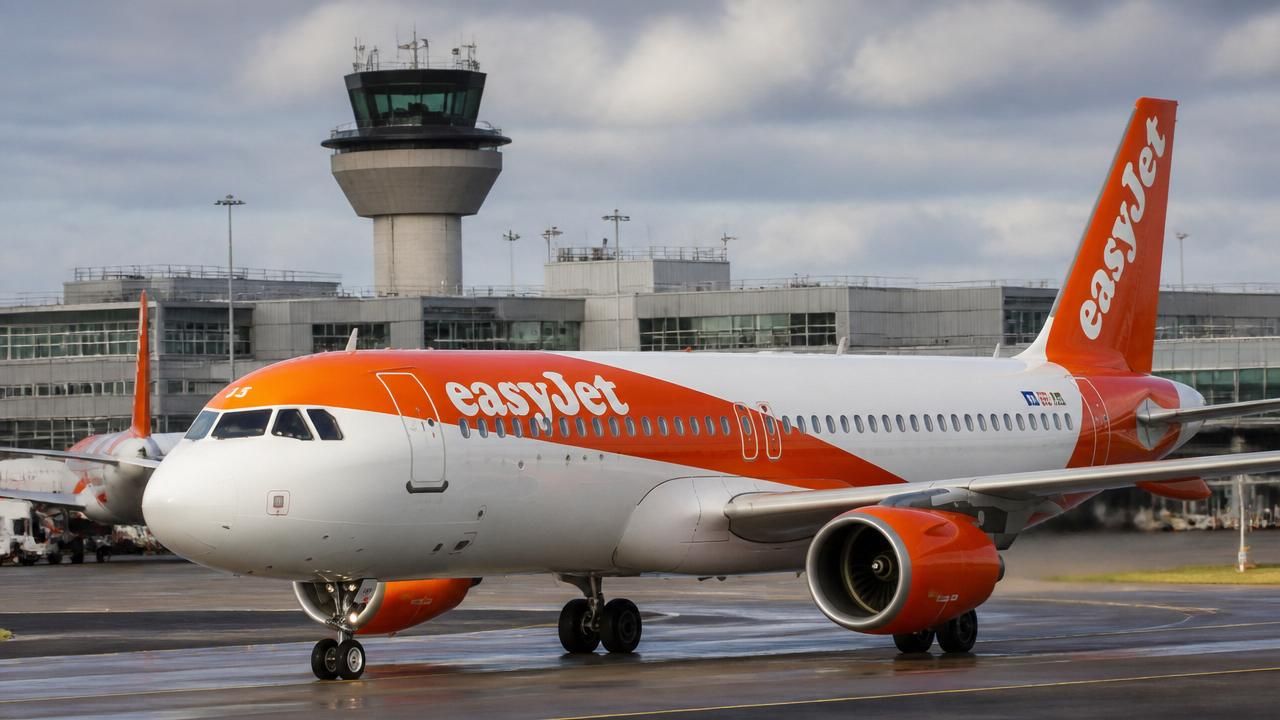
EasyJet Plc has reported a dramatic 70% fall in profit for its fiscal third quarter, as the UK budget carrier grapples with soaring jet fuel costs linked to the ongoing Middle East conflict and a dip in consumer demand. The airline disclosed that the Iran war alone added £105 million to its fuel bill, overshadowing what it described as robust summer bookings.
Financial Fallout
In a trading update, EasyJet said profit for the three months ended June 30 plummeted to £45 million from £150 million a year earlier. Revenue edged up 2% to £2.3 billion, but operating costs surged 8%, driven largely by fuel. The company warned that fuel costs for the full year would be approximately £200 million higher than previously forecast, with the average fuel price per metric ton rising to $1,100 from $950.
"The conflict in the Middle East has created significant uncertainty for the aviation industry," said EasyJet CEO Johan Lundgren. "We are taking proactive steps to mitigate the impact, but the environment remains challenging."
Demand Divergence
While leisure demand remained resilient, with summer seat occupancy at 92%, the airline noted a softening in business travel and shorter-haul bookings from price-sensitive customers. This aligns with broader industry trends, as rival Wizz Air recently issued a profit warning, citing similar headwinds. Analysts at Bloomberg Intelligence noted that EasyJet's results underscore the "asymmetric risk" airlines face from geopolitical shocks.
"The demand picture is mixed," said analyst Sarah Wilson of Global Banking & Finance. "EasyJet's strong summer performance is being offset by the fuel cost spike and a pullback in discretionary spending."
Fuel Cost Crisis
The £105 million fuel cost hit attributable to the Iran war highlights how regional conflicts can ripple through global markets. Jet fuel prices have risen over 20% since the conflict escalated, according to data from S&P Global Platts. EasyJet has hedged about 70% of its fuel needs for the current financial year, but the unhedged portion has left it exposed.
"The fuel cost increase is unprecedented in its speed," said Lundgren. "We are reviewing our hedging strategy and operational efficiencies." The airline has also accelerated its fleet modernization program, introducing more fuel-efficient Airbus A320neo aircraft to reduce consumption.
Industry-Wide Pressure
EasyJet is not alone. The broader airline sector has come under renewed pressure, with Wizz Air's profit warning sending shares tumbling across European carriers. British Airways owner IAG and Ryanair have also flagged higher costs. The thisismoney.co.uk report noted that airline stocks experienced a broad sell-off following Wizz Air's announcement, reflecting investor anxiety about the sector's vulnerability to geopolitical events.
"The Middle East conflict has created a perfect storm for airlines," said aviation expert John Strickland. "Higher fuel costs, disrupted routes, and consumer uncertainty are squeezing margins."
Outlook and Mitigation
Despite the profit slump, EasyJet expressed confidence in its full-year performance, citing strong forward bookings for the summer peak. The airline expects to carry over 90 million passengers this year, up from 85 million in 2023. However, it cautioned that the fuel cost outlook remains volatile and that further deterioration in demand could impact guidance.
"We are focused on what we can control—costs, capacity, and customer experience," said Lundgren. "The fundamentals of our business are strong, but we are navigating a challenging macro environment."
EasyJet shares fell 3% in early trading following the announcement, extending year-to-date losses to 15%. Analysts at Investec downgraded the stock to 'hold', citing "limited near-term catalysts."
The travelweekly.co.uk report added that EasyJet has issued a formal fuel cost warning to investors, emphasizing the "uncertainty" posed by the Iran war. The airline is lobbying UK government for support on fuel taxes and air passenger duty, though no policy changes have been announced.
Conclusion
EasyJet's 70% profit plunge is a stark reminder of how geopolitical tensions can upend the economics of the airline industry. While the carrier's strong summer demand provides some buffer, the £105 million fuel cost hit from the Iran war underscores the fragility of the recovery. As the Middle East conflict shows no signs of abating, EasyJet and its peers face a prolonged period of elevated costs and cautious consumers.