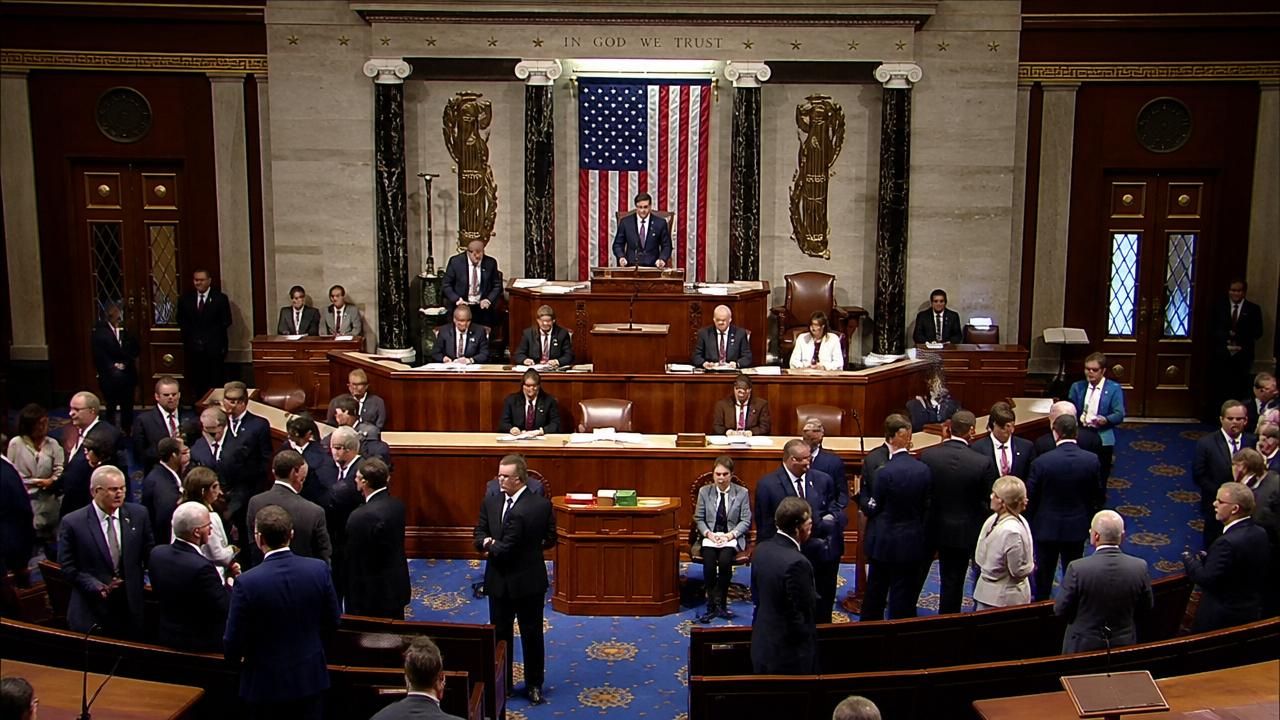
In a high-stakes legislative push, the House of Representatives on Thursday passed a massive Pentagon funding bill exceeding $1 trillion alongside a budget blueprint that would unlock new dollars for the ongoing war with Iran. The votes, which fell almost entirely along party lines, represent a major victory for President Trump and Republican leadership, but have ignited a firestorm of criticism from Democrats who warn of unchecked executive war powers and fiscal recklessness.
What Happened
The House approved the National Defense Authorization Act (NDAA) for fiscal year 2025, which authorizes over $1 trillion in defense spending. Simultaneously, lawmakers adopted a budget resolution that creates a pathway for additional funding specifically designated for military operations in Iran. According to NPR, the budget framework is designed to implement provisions of President Trump's election overhaul bill and to fund the Iran war, which began earlier this year after a series of escalations between Washington and Tehran.
Politico reported that the budget framework is a party-line package worth approximately $95 billion in new spending, though the exact figures remain fluid as the Senate considers its own version. The package includes reconciliation instructions that would allow Republicans to bypass the filibuster and pass the funding with a simple majority.
Differing Perspectives
The coverage of this story reveals a sharp partisan divide. NPR framed the bill as a Republican-led effort to secure funding for a conflict that Trump initiated, while also tying it to the president's domestic agenda, including election integrity measures. Politico emphasized the procedural maneuvering, noting that the budget framework is a key part of the GOP's strategy to advance its priorities without Democratic support.
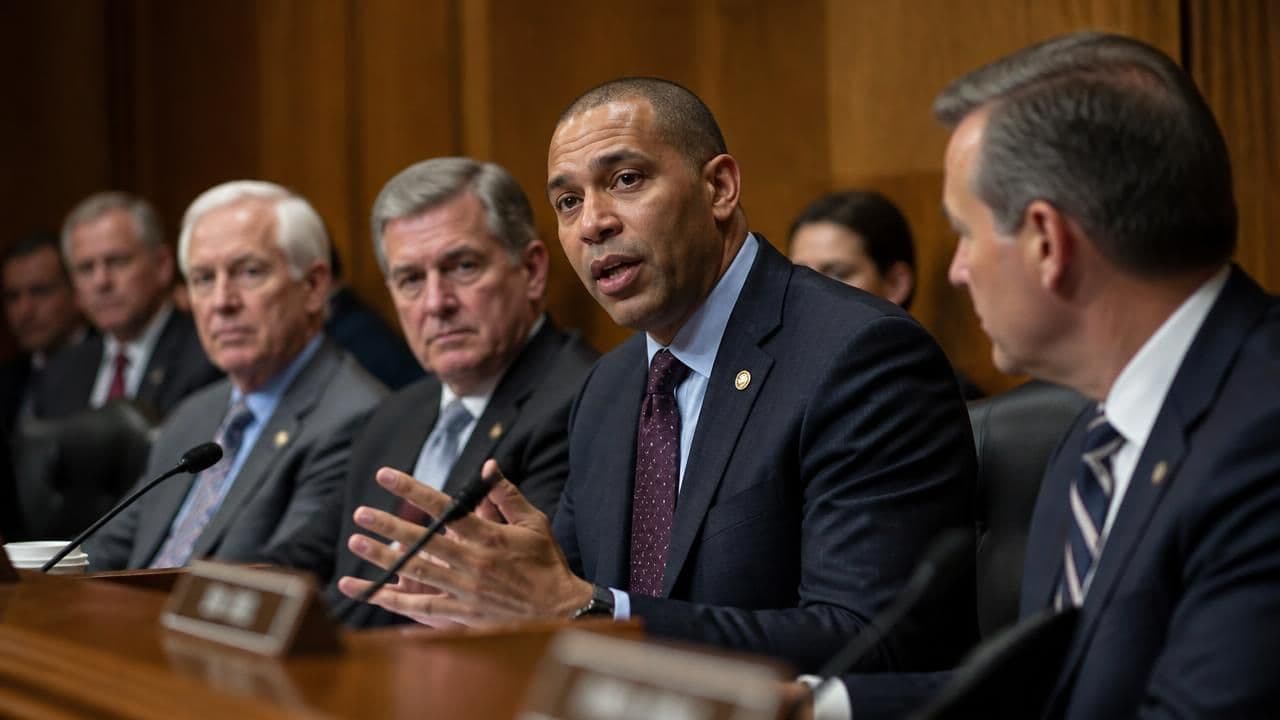
Meanwhile, the New York Times reported on a separate but related development: Defense Secretary Pete Hegseth's first testimony before Congress since the war began. Hegseth sparred with Democrats over the administration's strategy in Iran, defending the decision to launch military strikes and rejecting calls for a ceasefire. The Times highlighted Hegseth's assertion that the war is necessary to prevent Iran from acquiring nuclear weapons, a claim that Democrats disputed, citing intelligence assessments that Iran had not yet decided to build a bomb.
WFAE, a Charlotte-based NPR affiliate, echoed the NPR report, focusing on the local implications of the massive defense spending for North Carolina's military bases and defense contractors. The station quoted Representative Dan Bishop (R-NC), who called the bill a "necessary investment in our national security."
"This funding ensures our troops have the resources they need to defend our nation and defeat our enemies," Bishop said in a statement. "We cannot afford to hesitate when our adversaries are watching."
Historical Context
The Iran war, which began in March 2024 after a drone strike killed a senior Iranian general, has become the most significant U.S. military engagement in the Middle East since the Iraq War. The conflict has already cost an estimated $200 billion, according to the Congressional Budget Office, and has drawn condemnation from international allies. The budget blueprint passed by the House would unlock an additional $95 billion for the war, bringing total spending to nearly $300 billion.
The Pentagon funding bill, meanwhile, is the largest in U.S. history, surpassing last year's $886 billion authorization. It includes pay raises for troops, investments in hypersonic weapons, and funding for the Space Force. Critics argue that the bill prioritizes military spending over domestic needs, such as healthcare and education.
Expert Views and Implications
Dr. Sarah Miller, a defense policy analyst at the Center for Strategic and International Studies, described the budget framework as a "blank check" for the administration. "By tying the Iran war funding to reconciliation, Republicans are effectively eliminating any chance for oversight or debate," Miller said. "This sets a dangerous precedent for future conflicts."
On the other side, Michael O'Hanlon, a senior fellow at the Brookings Institution, argued that the funding is necessary to ensure a swift end to the war. "The longer the conflict drags on, the more it costs in blood and treasure," O'Hanlon said. "A robust funding package could help the U.S. achieve its objectives and bring troops home sooner."
The political implications are also significant. The budget blueprint includes provisions from Trump's election overhaul bill, which Democrats have labeled a voter suppression effort. The combination of war funding and election changes has galvanized progressive activists, who are planning protests outside the Capitol next week.
What Comes Next
The bill now heads to the Senate, where Majority Leader Mitch McConnell has pledged to take it up quickly. However, moderate Republicans have expressed concerns about the cost, and Democrats are expected to offer amendments to restrict war funding or impose conditions on its use. The final outcome remains uncertain, but one thing is clear: the debate over the Iran war and its costs will dominate Washington for weeks to come.
As the New York Times noted, the Hegseth testimony underscored the administration's determination to see the war through. "We will not waver," Hegseth told the Senate Armed Services Committee. "Our enemies must know that America's resolve is unshakable."