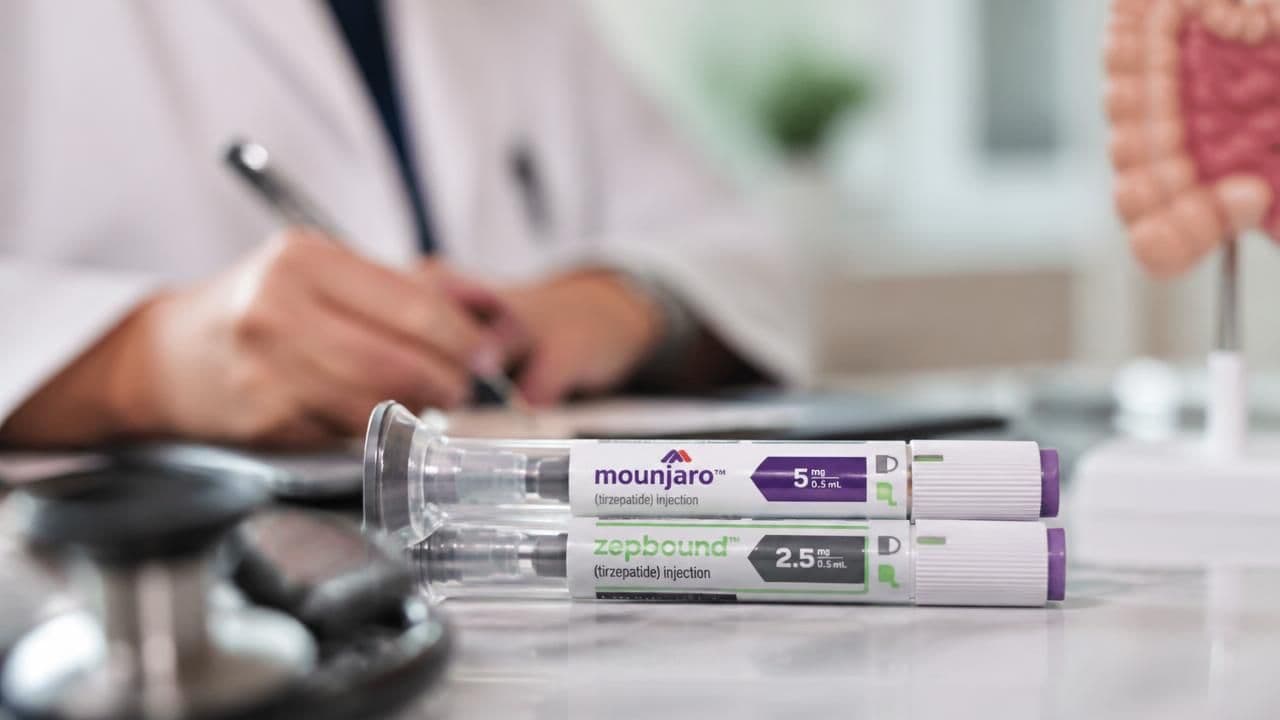
An unprecedented boom in peptide-based wellness products has triggered a regulatory showdown, with the U.S. Food and Drug Administration (FDA) convening an advisory panel this week to consider whether specialized pharmacies should be allowed to produce popular but unapproved peptides. The meeting, first reported by NPR, comes amid a surge in demand for injectable peptides touted for anti-aging, weight loss, and muscle building—a trend that has drawn comparisons to the 'Wild West' of supplements.
The Regulatory Crossroads
The FDA's advisory committee will weigh recommendations on compounding pharmacies' role in making peptides that are not FDA-approved. Compounding allows pharmacies to customize medications, but critics argue it has become a loophole for distributing unproven treatments. According to Medical Xpress, stronger regulation is urgently needed to address the 'injectable peptide craze,' as patients increasingly obtain these substances through telehealth consultations and online retailers with minimal oversight.
Safety Concerns and Alerts
In Australia, the Therapeutic Goods Administration (TGA) issued a safety alert amid an 'explosion of illegal peptide use,' as reported by ABC News. The TGA warned that unapproved peptides can cause serious adverse effects, including infections, allergic reactions, and hormonal imbalances. Similarly, Harvard Health has highlighted potential risks such as contamination, incorrect dosing, and lack of quality control. 'Without FDA oversight, consumers are essentially gambling with their health,' said Dr. Pieter Cohen, an associate professor at Harvard Medical School, in an interview with CNN.
'The peptide industry is a multibillion-dollar market with virtually no regulatory guardrails. We're seeing products marketed as anti-aging miracles that have never undergone rigorous clinical trials.' — Dr. Pieter Cohen, Harvard Medical School
The 'Wild West' of Wellness
CNN described the peptide landscape as a 'Wild West,' where products like BPC-157, semaglutide (the active ingredient in Ozempic), and growth hormone-releasing peptides are sold online without prescriptions. A GQ feature titled 'It's About to Be Hot Peptide Summer' captured the cultural craze, noting that peptides have become a status symbol among wellness influencers and biohackers. However, the article also cautioned that many users are unaware of the long-term risks.
Telehealth Loopholes
ABC News Australia conducted an undercover investigation, revealing how easy it is to obtain unapproved injectable peptides via telehealth. A reporter posing as a patient secured a prescription for a peptide after a brief online consultation with a doctor who did not verify medical history. 'It was too easy,' the report stated, underscoring the need for stricter oversight of telemedicine platforms.
Industry Pushback and Political Maneuvering
The peptide industry has pushed back against regulation, arguing that compounding pharmacies provide access to beneficial therapies that would otherwise be unavailable. Bloomberg called it 'The Billion-Dollar Peptides Gold Rush,' noting that the global peptide market is projected to exceed $50 billion by 2030. Some politicians have joined the fray: Robert F. Kennedy Jr., a prominent vaccine skeptic and presidential candidate, has vowed to reverse a proposed peptide ban, calling it 'illegal' and accusing former FDA officials of overreach, according to MSN. Former FDA officials, however, dismissed his claims as mischaracterizations of their work.
Expert Perspectives and Historical Context
Harvard Health explains that peptides are short chains of amino acids that occur naturally in the body and play roles in signaling, tissue repair, and hormone regulation. While some peptide-based drugs, like insulin, are FDA-approved and life-saving, the vast majority of wellness peptides have not been proven safe or effective. 'We're walking a tightrope between innovation and patient safety,' said Dr. JoAnn Manson, a professor at Harvard Medical School, in a Rova article.
What’s Next?
The FDA panel's recommendations, expected later this week, could lead to new guidelines for compounding pharmacies and potentially crack down on illegal peptide sales. However, enforcement remains challenging due to the global nature of online marketplaces. Meanwhile, consumer demand shows no signs of slowing, driven by social media influencers and celebrity endorsements.
Implications for Consumers
Health experts advise caution: only use peptides prescribed by a licensed healthcare provider for FDA-approved indications. The TGA and FDA urge consumers to report adverse events and to verify that any peptide product comes from a legitimate pharmacy. As the regulatory landscape evolves, one thing is clear—the peptide gold rush is forcing a long-overdue conversation about safety, efficacy, and the boundaries of modern medicine.