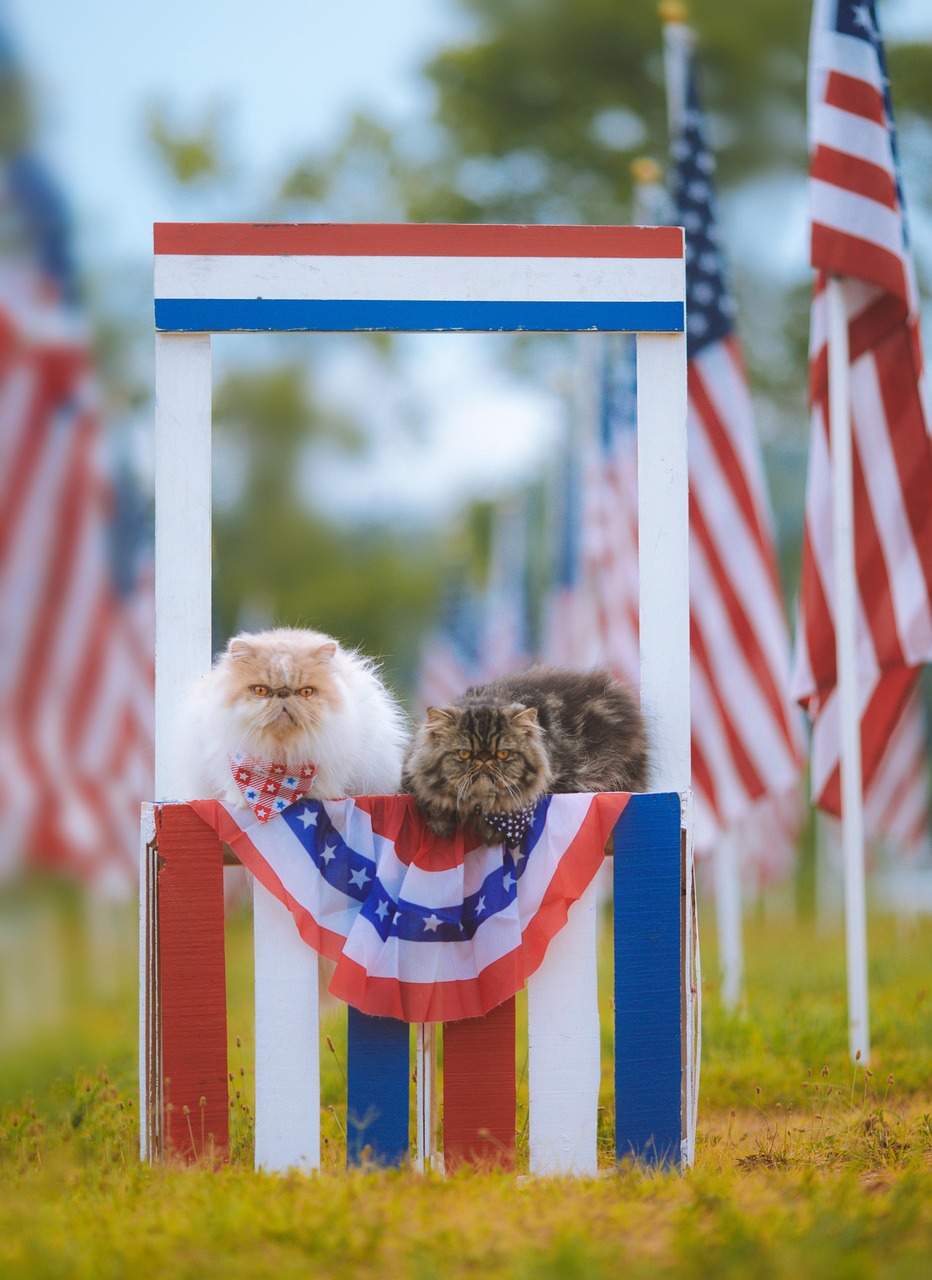
As the United States marks its 250th birthday with spectacular fireworks displays across the country, pet owners face an annual challenge: keeping their furry companions calm and safe amidst the booms and flashes. From New York City to San Antonio, veterinarians and animal behaviorists are offering guidance to help dogs and cats cope with the sensory overload that often accompanies Independence Day celebrations.
The Scope of the Problem
Fireworks can trigger intense fear responses in pets, leading to trembling, hiding, excessive barking, and even attempts to flee. According to the American Kennel Club, more pets go missing on July 4th than any other day of the year. NPR reports that communities nationwide are putting on epic shows for the 250th anniversary, which may mean louder and longer displays than usual, increasing the risk for anxious animals.
Why Pets Are Afraid
Dogs and cats have far more sensitive hearing than humans. The sudden, unpredictable booms and whistles of fireworks can be perceived as threats, triggering a fight-or-flight response. Dr. Emily Weiss, a veterinarian quoted by multiple sources, explains, “Pets don’t understand that fireworks are celebrations. They only hear loud, startling noises that can be terrifying.” This fear is compounded by the fact that fireworks often occur at night, when pets are already less secure.
Expert Tips for a Calmer Holiday
Veterinarians and animal welfare organizations have compiled a list of strategies to help pets feel secure. The following tips are synthesized from advice featured by NPR, MSN, and local outlets:
Create a Safe Space
Designate a quiet, interior room where your pet can retreat. Close windows, draw curtains, and play calming music or white noise to muffle the sound of fireworks. Dr. Sarah Johnson, a NYC veterinarian featured on MSN, recommends using a crate covered with a blanket for dogs that find it comforting. “The key is to make the space feel like a den,” she says.
Exercise and Distraction
Take your dog for a long walk earlier in the day to tire them out. A tired pet is often a calmer pet. During the fireworks, offer high-value treats or puzzle toys filled with peanut butter to redirect attention. The San Antonio tips from MSN suggest using a snuffle mat or a frozen Kong to keep dogs occupied.
Use Calming Aids
Products such as thundershirts (pressure wraps), pheromone diffusers (like Adaptil for dogs or Feliway for cats), and calming supplements can help. For severely anxious pets, consult your veterinarian about prescription medications. “Don’t wait until the fireworks start to try these,” warns Dr. Weiss. “Test them in advance to see how your pet responds.”
Identification Is Crucial
Ensure your pet has a collar with an ID tag and a microchip with up-to-date contact information. If they do bolt, this greatly increases the chances of a safe return. The American Society for the Prevention of Cruelty to Animals (ASPCA) advises keeping pets indoors during fireworks and even during post-show walks, as residual debris can be dangerous.
Differing Perspectives on Management
While most experts agree on the basics, there are nuances. Some behaviorists advocate for desensitization training weeks before the holiday, using recorded fireworks sounds at low volume. Others caution that this can backfire if not done correctly. The NPR article emphasizes that “punishment is never appropriate” for a scared pet, as it increases anxiety. In contrast, a local San Antonio source suggests that ignoring fearful behavior can sometimes prevent reinforcing it—though this view is less common.
What About Cats?
Much of the advice focuses on dogs, but cats are equally sensitive. The NYC veterinarian reminds owners that cats often hide under beds or in closets. “Don’t force them out,” she says. “Let them come out on their own terms.” Providing elevated perches or cardboard boxes can help cats feel secure.
Community Efforts and Alternatives
Some communities are offering “quiet hours” or designated low-noise fireworks displays to accommodate pets and people with sensory sensitivities. Pet owners are encouraged to check local event schedules. For those celebrating at home, consider using silent fireworks or laser light shows as pet-friendly alternatives.
“The Fourth of July should be fun for everyone, including our four-legged family members,” says Dr. Johnson. “With a little preparation, we can make it a safe and stress-free holiday for all.”
Conclusion
As fireworks light up the sky for America’s 250th birthday, pet owners have a responsibility to protect their animals. By creating a safe environment, using calming aids, and ensuring proper identification, families can enjoy the festivities while keeping their pets out of harm’s way. For more detailed guidance, consult your local veterinarian or animal shelter. Remember, a calm owner often leads to a calm pet.