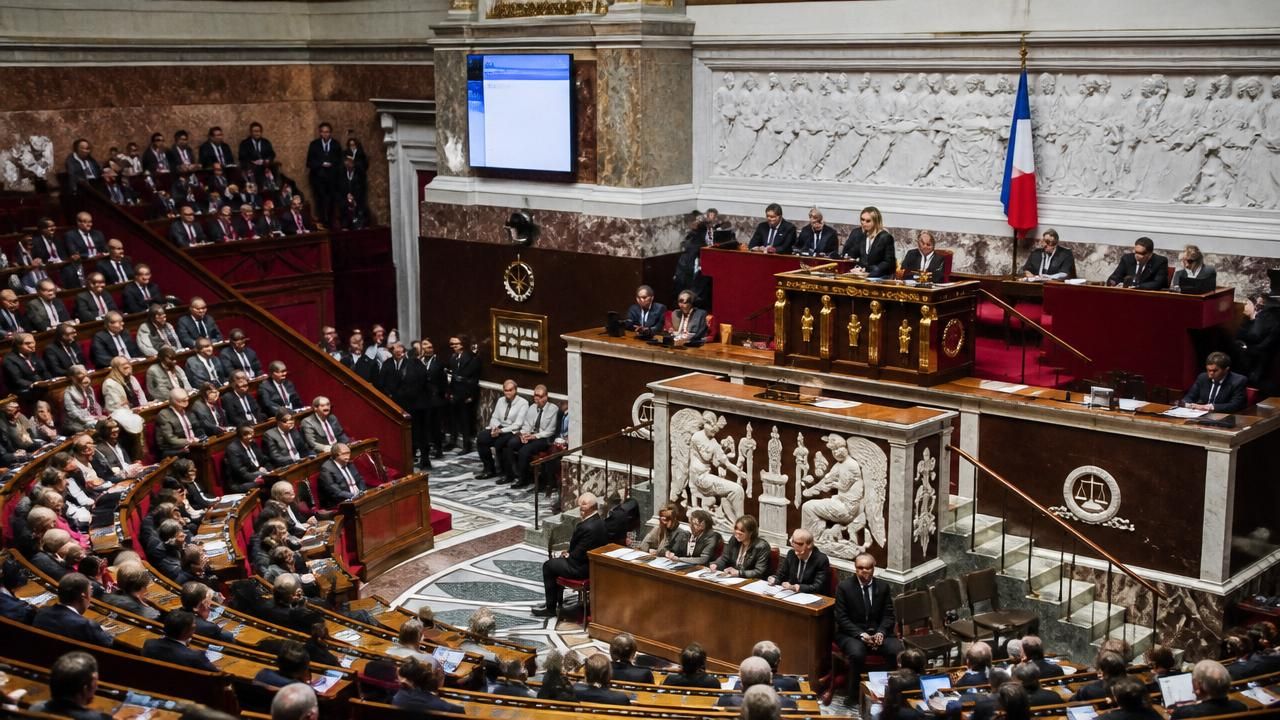
In a landmark move, French lawmakers have approved a sweeping social media ban for children under the age of 15, making France the first country in the European Union to implement such a blanket restriction. The law, passed by the National Assembly, requires minors under 15 to obtain parental consent before creating accounts on platforms like TikTok, Instagram, and Snapchat, and imposes strict age-verification obligations on tech companies. The legislation reflects growing global concerns over the harmful effects of digital content on children's mental health and safety.
The Legislation: What It Entails
The new law mandates that social media platforms must verify users' ages and obtain explicit parental approval for users under 15. Non-compliant companies face fines of up to 1% of their global revenue. The measure also allows children aged 15 and 16 to be de-registered from platforms if their parents request it. This builds on a 2021 French law that required parental consent for under-15s on social media but lacked enforcement mechanisms. The updated legislation closes loopholes and introduces stricter penalties.
Key Provisions
- Minimum age of 15 for independent social media use.
- Mandatory age verification by platforms.
- Parental consent required for under-15s.
- Right for parents to request deletion of accounts for children under 16.
- Fines for non-compliance up to 1% of global annual revenue.
Context and Motivation
The law arrives amid a global reckoning over the impact of social media on youth. Studies have linked excessive use to anxiety, depression, and exposure to harmful content. French President Emmanuel Macron has been a vocal advocate for stronger protections. In a statement, he said,
'Our children deserve to grow up without the pressures of algorithms designed to maximize screen time.'The move also follows similar efforts in the UK, which has proposed the Online Safety Bill, and in the US, where states like Utah and Arkansas have passed restrictive laws. However, France's law is the first comprehensive EU-wide precedent.
Differing Perspectives
While the law has broad public support, it has drawn criticism from digital rights groups and tech industry representatives. Critics argue that age verification could infringe on privacy and that the ban may be difficult to enforce. 'This law could lead to surveillance of all users, not just minors,' warned a spokesperson for La Quadrature du Net, a French digital rights group. On the other hand, child safety advocates have praised the move. 'This is a bold step to protect children from the predatory nature of social media,' said Dr. Sophie Dubois, a child psychologist at the University of Paris.
Implementation and Enforcement
The law will take effect in phases, with age-verification requirements coming into force within six months. The French data protection authority, CNIL, will oversee compliance. Platforms will be required to use 'robust' verification methods, though specifics remain under discussion. Tech companies have expressed concerns about feasibility. Meta, which owns Facebook and Instagram, said in a statement that it is 'committed to age-appropriate experiences' but called for 'harmonized EU rules' to avoid fragmentation.
Broader Implications
France's law could catalyze similar measures across the EU. The European Commission is already working on a Digital Services Act that includes provisions for minors. 'France is setting a benchmark that other member states may follow,' noted EU digital policy expert Marie Leclerc. However, questions remain about enforcement across borders and the potential for a patchwork of national laws. The law also reignites debate about the role of government in regulating online spaces and the balance between protection and freedom of expression.
What Comes Next
As the law moves toward implementation, all eyes will be on how effectively it is enforced and whether it achieves its goals. Early indicators suggest a shift in public opinion: a recent poll found that 70% of French adults support the ban. For now, France has drawn a line in the sand, and the world is watching.