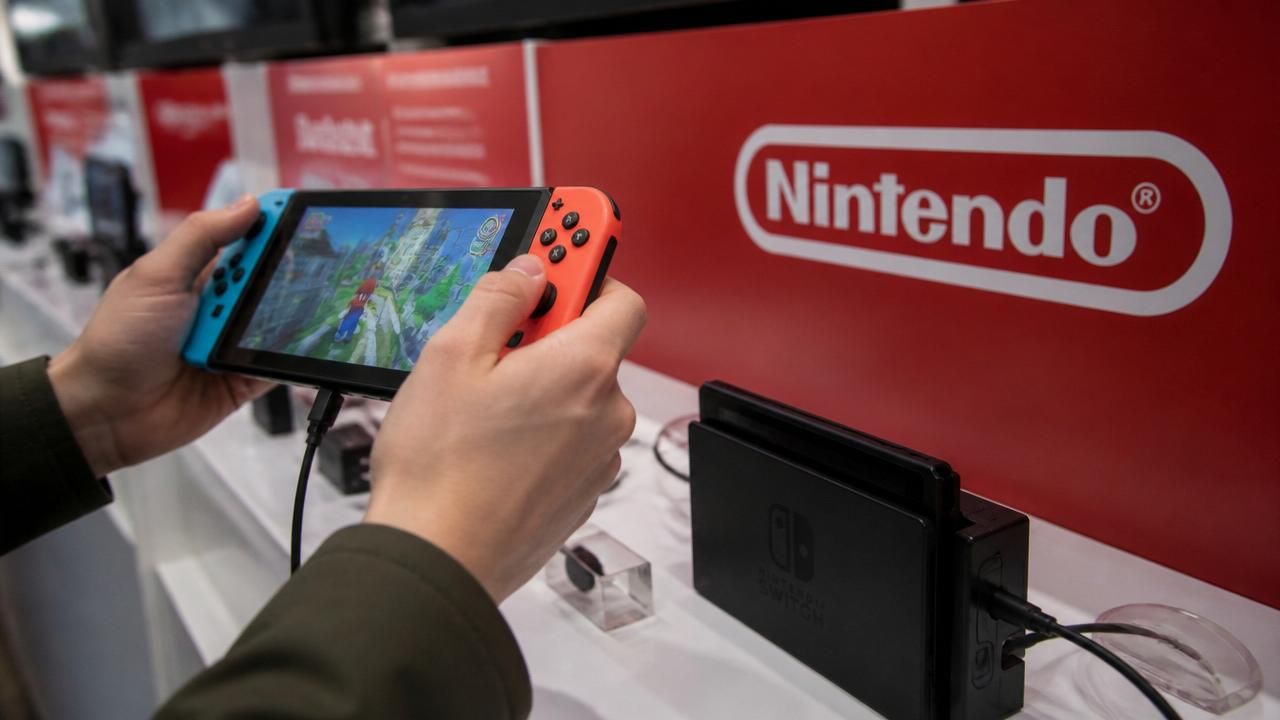
Nintendo has filed a motion to dismiss a class-action lawsuit demanding that it pass on tariff refunds to customers, arguing that consumers who purchased Switch consoles and other products have no legal entitlement to the rebates the company expects to receive from the U.S. government. The move intensifies a legal battle that pits the gaming giant against its own customers, amid a broader controversy over who should benefit from the tens of billions of dollars in tariffs being refunded under the Trump administration.
The Lawsuit and Nintendo's Response
The class-action complaint was filed in April in the U.S. District Court for the Western District of Washington by California resident Gregory Hoffert and Washington resident Prashant Sharan. They seek to represent all U.S. residents who bought Nintendo products between February 2025 and February 2026, alleging unjust enrichment and violations of the Washington Consumer Protection Act. The plaintiffs argue that Nintendo raised prices on its products during the tariff period and then sought refunds from the government—meaning the company effectively profited from illegal tariffs at consumers' expense.
In its motion to dismiss, filed July 18, Nintendo urged the court to reject the lawsuit, stating that plaintiffs are "ask[ing] this Court to invent a legal duty out of whole cloth to retroactively re-price completed sales simply because the legal landscape has changed." The company emphasized that customers received exactly what they paid for: a functioning product at an agreed-upon price. "Nintendo has no legal entitlement to the tariff refunds Nintendo stands to receive," the company argued, adding that any refunds it obtains from the government are a matter between Nintendo and the U.S. government—not its customers.
Broader Context: The Tariff Refund Battle
The case is part of a larger wave of litigation and policy debates surrounding tariffs imposed during the Trump administration. In 2018, the U.S. government levied tariffs on hundreds of billions of dollars of Chinese goods, including electronics and gaming consoles. After courts ruled some of those tariffs were improperly imposed, the Trump administration began refunding more than $166 billion in tariffs—a process that has sparked disputes over who should receive the money.
Multiple companies, including Nintendo, Costco, and others, have sued the U.S. government for refunds, arguing they were forced to pay the duties. But consumer advocates and some lawmakers have questioned whether corporations should keep those refunds, given that they often passed the costs on to customers through higher prices. "Consumers paid for Trump's illegal tariffs. These companies may profit," noted a report from Popular Info, highlighting the moral and legal questions at stake.
Nintendo itself sued the U.S. government in 2020 seeking a full refund plus interest, arguing the tariffs on Chinese-made consoles were unlawful. The company is now in line to receive substantial refunds—but its motion to dismiss the consumer lawsuit signals it has no intention of sharing that windfall.
Differing Perspectives
The case has drawn sharply divergent reactions. Nintendo's position, as reported by Ars Technica, GameFile, Eurogamer, and others, is clear: customers got what they paid for, and any refund from the government is a separate matter. "Nintendo says it has no legal duty to pass its U.S. tariff refunds on to consumers," GameFile summarized. Kotaku noted that Nintendo filed to have the suit thrown out, while PC Magazine reported the company "rejects request to share tariff refunds."
Consumer attorneys and the plaintiffs, however, see it differently. They argue that Nintendo effectively double-dipped—raising prices to cover tariffs, then seeking refunds that should rightfully go to those who bore the cost. "Lawsuit: Nintendo is getting tariff refunds—its customers should get them instead," read an Ars Technica headline. The Guardian reported that the Trump administration had already begun refunding tariffs, and Popular Info raised concerns about corporations profiting from illegal levies.
Some sources framed the story in terms of corporate accountability versus legal technicalities. "Nintendo says consumers don't deserve refunds over tariff price hikes," wrote Gaming Amigos, while Nintendo Life noted the company "asks court to dismiss U.S. tariff refund lawsuit." The differing tones reflect a broader public debate: should companies that raised prices during a tariff period be required to pass along refunds, or are they free to keep the money?
Legal Analysis and Implications
Legal experts say Nintendo's motion rests on a straightforward contract law principle: a completed sale is final, and unless there was a specific agreement tying price to tariffs, the buyer has no claim. "The plaintiffs are asking the court to create a new legal duty that doesn't exist," said one legal analyst quoted by multiple outlets. However, the case also touches on consumer protection statutes, which can sometimes allow for recovery when a practice is deemed unfair or deceptive.
If the court denies Nintendo's motion, the case could proceed to discovery, potentially revealing how much Nintendo collected in tariff-related price increases versus how much it expects in refunds. A ruling in favor of the plaintiffs could set a precedent affecting other companies facing similar lawsuits—including Costco, which has indicated tariff refunds could lead to lower prices for customers.
The U.S. Customs and Border Protection agency has said it expects the tariff refund system to be operational within 45 days, potentially accelerating the flow of billions of dollars to companies. That timeline adds urgency to the legal fight, as consumers and corporations alike watch to see who ultimately benefits.
What's at Stake
For Nintendo, the case is about protecting its bottom line and avoiding a costly payout. For consumers, it's about fairness and whether companies should profit from government refunds after passing costs onto customers. The outcome could have ripple effects across industries, influencing how companies handle tariff-related pricing and refunds in the future.
As the court prepares to hear arguments, the broader question remains: when the government refunds tariffs, who should get the money—the companies that paid them, or the consumers who ultimately footed the bill?