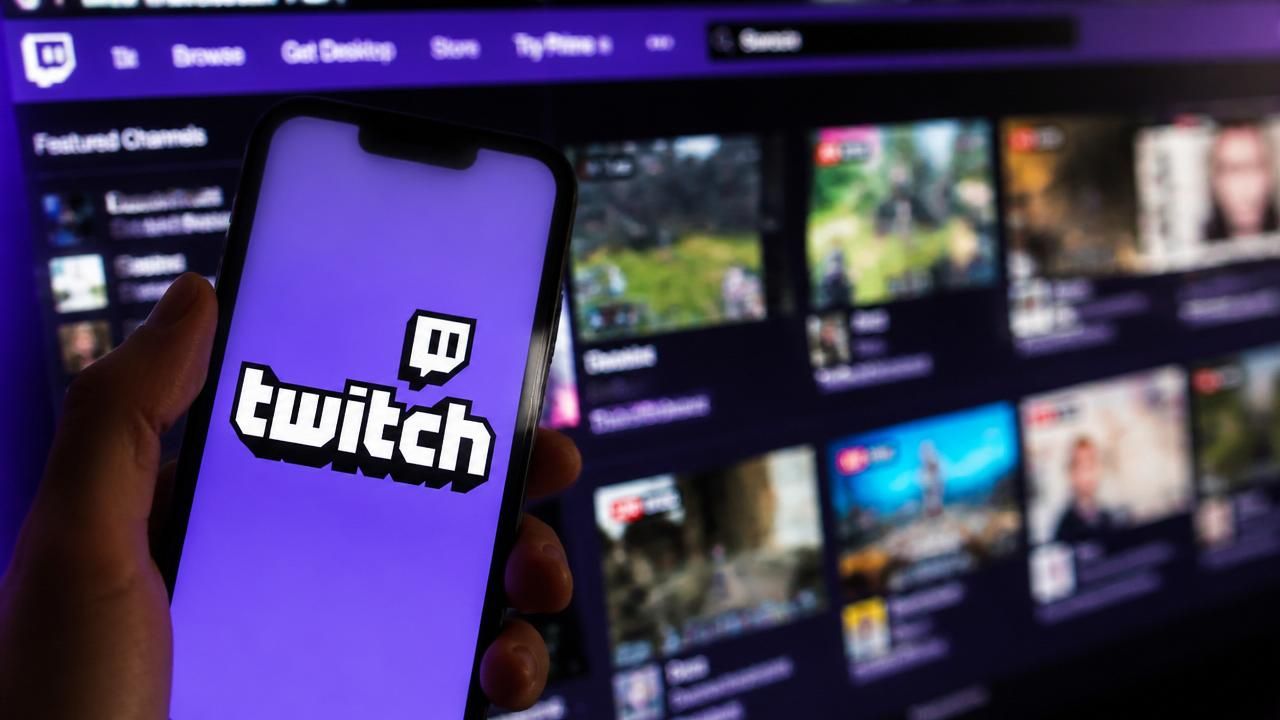
In a significant move to address growing concerns about youth safety online, Twitch has introduced a suite of parental controls that give guardians unprecedented oversight of their teenage children's activity on the streaming platform. The new features, announced on March 12, 2025, enable parents to link their accounts with those of users aged 13 to 17, granting them the ability to block livestreaming, disable private messaging (Whispers), and receive a weekly email digest summarizing channels watched and hours spent on the platform.
The announcement comes amid a global regulatory push to protect minors from the potential harms of social media. In Australia, a landmark ban on social media for under-16s came into effect on the same day, with Prime Minister Anthony Albanese directly addressing teenagers, urging them to "read that book" and engage in offline activities. The UK's Labour leader Keir Starmer has proposed a similar ban for under-16s, while other nations are exploring varying age restrictions.
Twitch's parental controls are opt-in and designed to be flexible. Parents can set daily time limits, prevent their teen from going live, and restrict DMs entirely. The weekly email provides a snapshot of activity without exposing individual messages or stream content, striking a balance between oversight and privacy. "We want to empower parents to have informed conversations with their teens about their online lives," a Twitch spokesperson said.
A Patchwork of Global Regulations
The move by Twitch aligns with a broader international trend toward stricter age-based restrictions on social media. Australia's ban, which took effect on March 12, prohibits under-16s from accessing platforms like Instagram, TikTok, and Snapchat without parental consent. The eSafety Commissioner has warned that teens who slip through the cracks will be "booted off in time." However, early reports from ABC News indicate that many Australian teens say "nothing has changed," as enforcement remains inconsistent.
In the UK, Starmer's proposed ban under the Online Safety Bill would require platforms to prevent under-16s from accessing certain features or accounts. The BBC notes that rules vary widely globally—from France's requirement for parental consent for under-15s to South Korea's curfew on gaming for minors. "The challenge is creating a system that is both effective and respects the rights of young people to participate online," said a child safety advocate at UNICEF Australia, which published a simple guide to the ban.
Expert Views on Effectiveness
Cybersecurity firms like Kaspersky and ESET have long warned about the risks of unmonitored platform use. ESET's guide on Twitch slang highlights how teens use coded language to evade parental oversight. "Terms like 'irl' (in real life) and 'pog' (play of the game) are harmless, but others can be used to coordinate inappropriate activities," an ESET analyst explained. The new controls help parents decode these behaviors.
However, critics argue that parental controls alone are insufficient. "Teens are tech-savvy and can often bypass restrictions," said a researcher from PIRG, which studies VR risks for kids. "A combination of education, platform design, and regulation is needed." The Verge notes that Twitch's controls do not include content filtering or real-time monitoring of streams, leaving gaps.
Cultural Impact: The Rise of Gen Alpha on Twitch
Twitch has become a central hub for Generation Alpha (born after 2010), with many children preferring it over traditional TV. Movieguide.org reported that "Gen Alpha only cares about YouTube and Twitch," a trend that has alarmed parents and policymakers. The platform's interactive nature—where viewers can chat and influence streams—creates unique risks, including exposure to inappropriate content and predators.
NBC News recently covered the phenomenon of "brainrot" language, where parents and children struggle to communicate due to internet slang. "It's a new digital divide," said a linguist quoted in the article. Twitch's controls aim to bridge this gap by giving parents a window into their teen's online world without requiring fluency in meme-speak.
Real-World Examples
Celebrity incidents have highlighted the platform's reach. Mariah Carey made headlines when she crashed her son Moroccan's Twitch stream, a moment that went viral. Conversely, a Discord moderator for musician D4vd claimed they didn't know a missing teen was underage, illustrating the challenges of age verification. These cases underscore the need for robust parental tools.
Streamers themselves have weighed in. A popular streamer told ESET that gaming taught them "discipline, teamwork, and resilience," but acknowledged the risks. "It's about balance," they said. "Parents should be involved, not just restrictive."
What This Means for Families
For parents navigating this new landscape, the key is proactive engagement. Twitch's controls are a start, but experts recommend open conversations about online safety. As one parent on Scary Mommy put it, "You don't want your kids to hate you when they're grown, but you also need to protect them."
With Australia's ban now in effect and other countries considering similar measures, the pressure is on platforms like Twitch to innovate. The company's latest update may be a template for the industry. As the world watches, one thing is clear: the era of unfettered teen access to social media is ending.
"We want to empower parents to have informed conversations with their teens about their online lives." — Twitch spokesperson
As the regulatory landscape evolves, parents, educators, and policymakers must collaborate to ensure that young people can enjoy the benefits of streaming—community, creativity, and connection—without falling prey to its perils.