Global financial markets are navigating a volatile landscape as escalating tensions between the United States and Iran push oil prices to their highest level in over a month and strengthen the US dollar, while equity markets show surprising resilience driven by tech-sector optimism and dip-buying strategies.
Oil Surges on Geopolitical Fears
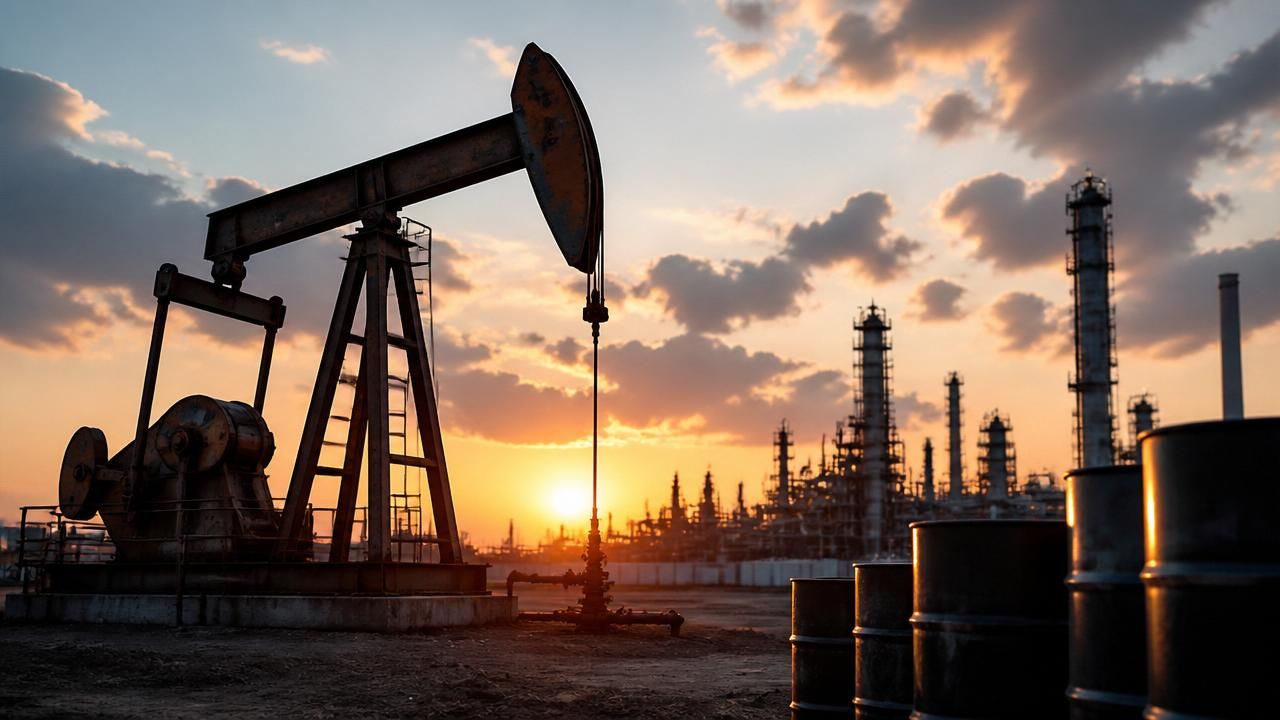
Crude oil prices climbed sharply over the weekend after US and Iranian attacks escalated, with Brent crude rising above $82 per barrel and West Texas Intermediate (WTI) exceeding $78, the highest levels in over a month. According to Bloomberg Markets, the dollar also gained as safe-haven demand surged. Fox Business reported that initial fears of a major oil shock faded after Trump's Iran deal, but renewed hostilities kept prices elevated. Yahoo Finance noted crude oil prices climbed 5% as US-Iran tensions escalated, while The Edge Singapore and Devdiscourse confirmed the upward trend, citing the Middle East conflict as the primary driver.
“Oil climbed to the highest level in over a month and the dollar strengthened after US and Iranian attacks escalated over the weekend,” reported Bloomberg Markets.
Dollar Strengthens on Safe-Haven Demand
The US dollar index (DXY) firmed as investors sought refuge in the greenback amid geopolitical uncertainty. EconoTimes noted the dollar firmed on safe-haven demand, while Devdiscourse titled its report “Currency Turmoil: U.S. Dollar Strengthens Amid Middle East Tensions.” Yahoo Finance UK echoed this, stating the dollar moved higher as oil prices gained 5%. However, CNBC reported that the dollar drifted with oil, with Gulf tensions and Fed minutes in focus. The dollar’s strength added pressure on Asian markets already rattled by a slump in chip stocks, according to Bloomberg.
Equity Markets: A Mixed Picture
Despite the geopolitical headwinds, equity markets showed resilience, with many indices climbing as investors looked past the Middle East attacks. MSN reported that Asian stocks surged as investors looked past the attacks, while Wall Street climbed and oil slid as investors bet on AI growth over Middle East tensions. The Times of India highlighted a dramatic swing in Indian markets, with the BSE Sensex soaring 965 points and the Nifty50 ending above 24,300, a stark contrast to earlier reports of a “markets in meltdown” with the Sensex posting its biggest fall in over two months (New Indian Express). Analytics Insight noted that Indian indices closed steady as escalating US-Iran tensions rattled markets.
Tech Stocks and AI Hopes Drive Optimism
Several sources pointed to tech stocks, particularly AI-related names, as a key factor underpinning market gains. MSN reported that stocks climbed and oil slid as tech hopes outlasted Middle East worries, while another MSN article stated that Wall Street climbed and oil slid as investors bet on AI growth over Middle East tensions. Seeking Alpha noted that stocks eyed fresh highs as US-Iran talks resumed, though oil rose on Hormuz tensions. This “risk-on” sentiment in equities, despite the oil rally, suggests that investors are prioritizing long-term growth narratives over short-term geopolitical risks.
Gold and Other Safe Havens
Gold prices showed a mixed reaction. MSN reported that gold eased as Middle East tensions revived inflation concerns, while CNBC noted gold trimmed losses after US PPI data, with focus on Middle East tensions. EconoTimes observed that gold edged higher alongside oil and the dollar, indicating that investors sought multiple safe havens. The conflicting signals reflect uncertainty over whether the conflict will lead to sustained inflation or a quick resolution.
Historical Context and Expert Views
Geopolitical tensions in the Middle East have historically caused short-term spikes in oil prices and safe-haven demand, but their impact on equities has been more transient. According to Outlook Business, the “TACO trade” (Trump, Oil, and the dip-buying mentality) explains why investors keep buying the dip. The article suggests that investors have become conditioned to view geopolitical shocks as buying opportunities, given the Federal Reserve’s tendency to support markets during crises.
“Investors are looking past the noise and focusing on the fundamental drivers of the economy, such as AI and tech innovation,” said a market strategist cited by MSN. However, some analysts warn that prolonged conflict could disrupt supply chains and fuel inflation, potentially forcing the Fed to maintain higher interest rates for longer.
Implications and Outlook
The diverging trends—rising oil and dollar alongside resilient equities—highlight a market grappling with conflicting signals. On one hand, the energy sector benefits from higher oil prices, and the dollar’s strength reflects risk aversion. On the other, tech stocks and dip-buying suggest that investors remain optimistic about economic growth and corporate earnings.
Key factors to watch include the trajectory of US-Iran talks, upcoming Fed minutes (as noted by CNBC), and earnings reports from major tech companies. If tensions de-escalate, oil prices could retreat, providing a tailwind for equities. Conversely, further escalation could trigger a broader risk-off move, potentially reversing recent gains.
In summary, while Middle East tensions have injected volatility into global markets, the resilience of equities—particularly in the tech sector—suggests that investors are betting on a resolution that does not derail the economic recovery. The coming days will be critical in determining whether the market’s optimism is justified or if the geopolitical risks will ultimately prevail.