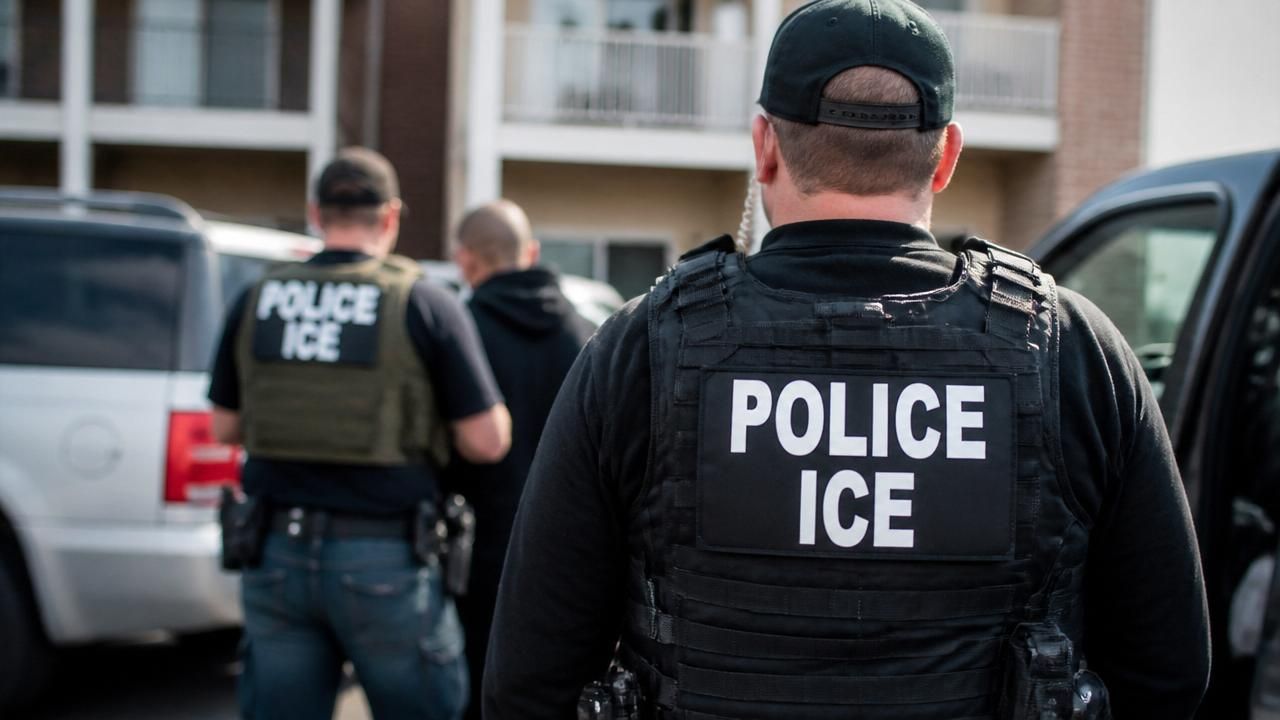
In a startling development that has sent shockwaves through federal law enforcement, the FBI has reportedly ceased investigating confrontations involving Immigration and Customs Enforcement (ICE) agents, according to the New York Times. The policy shift, denied by the Department of Homeland Security (DHS) and the Department of Justice (DOJ), follows a spate of high-profile killings by ICE agents, including the deaths of two individuals in Maine and Texas within the last two weeks. The New Republic reports that the DOJ has seen resignations over the handling of the Renee Good shooting, confirming fears of a crisis in accountability.
The Reported Policy Change
According to The Verge, federal agents have been informed that the FBI will no longer investigate assaults against DHS agents, effectively ending federal oversight of violence involving ICE. The DOJ and DHS have denied any change, but sources indicate that the guidance emerged after renewed scrutiny of ICE's use of force. The shootings in Maine and Texas were the latest in a series of civilian deaths at the hands of ICE agents, who have been accused of intimidating witnesses.
Contrast with 2020 Inquiries
The Guardian highlights a stark contrast: the DOJ is not investigating the killing of Renee Good, whereas the 2020 death of George Floyd prompted a sweeping federal inquiry. This discrepancy has fueled accusations of a double standard, with critics arguing that the current administration is less willing to hold federal agents accountable. The New Republic notes that resignations within the DOJ over the Good shooting have confirmed the worst fears of those who see a systemic failure in justice.
Broader Context: FBI Recruitment and Other Stories
Amid this controversy, FedAgent reports that the FBI is lowering recruiting standards, cutting college degree requirements and training time. While unrelated to the ICE investigation, this move suggests a shift in priorities within the bureau, potentially affecting its capacity for complex investigations.
In other news, Mediaite reports that Tom Homan, a former acting ICE director, has denied taking a $50,000 bribe for the first time. The denial comes amidst ongoing corruption allegations, though it is unclear if this is connected to the policy change.
Meanwhile, a separate story from Courtwatch.news details a terror attack planned on the Roblox platform, highlighting the diverse range of threats law enforcement faces. This incident underscores the need for robust investigative capabilities, which some fear may be compromised by the FBI's reported withdrawal from ICE probes.
Differing Perspectives
The sources frame the story differently. The Verge focuses on the intimidation tactics of ICE agents and the government's aggressive prosecution of witnesses. The Guardian emphasizes the contrast with the Floyd investigation, while The New Republic highlights the DOJ resignations as a sign of internal dissent. FedAgent and Mediaite provide tangential but contextually relevant updates, and Courtwatch.news offers a reminder of other law enforcement challenges.
Historical Background and Implications
The reported policy change marks a significant departure from past practices, where the FBI routinely investigated assaults on federal agents. Experts warn that this could embolden violence against ICE personnel and erode public trust. The DOJ resignations suggest deep divisions within the department, potentially hampering future reforms.
“The DOJ resignations over the Renee Good shooting confirm our worst fears,” wrote The New Republic, capturing the sentiment of many observers who see a crisis of accountability.
Data points from the past two weeks show at least two civilian deaths at the hands of ICE agents, with no federal investigations announced. This contrasts with the 2020 George Floyd case, which involved state and federal probes, including a DOJ pattern-or-practice investigation.
Conclusion
The FBI's reported withdrawal from ICE investigations, combined with DOJ resignations and contrasting standards of accountability, raises serious questions about the future of federal law enforcement oversight. As unrelated stories about recruitment and corruption emerge, the broader implications for justice and public safety remain uncertain. The nation watches as these developments unfold, with calls for transparency and reform growing louder.