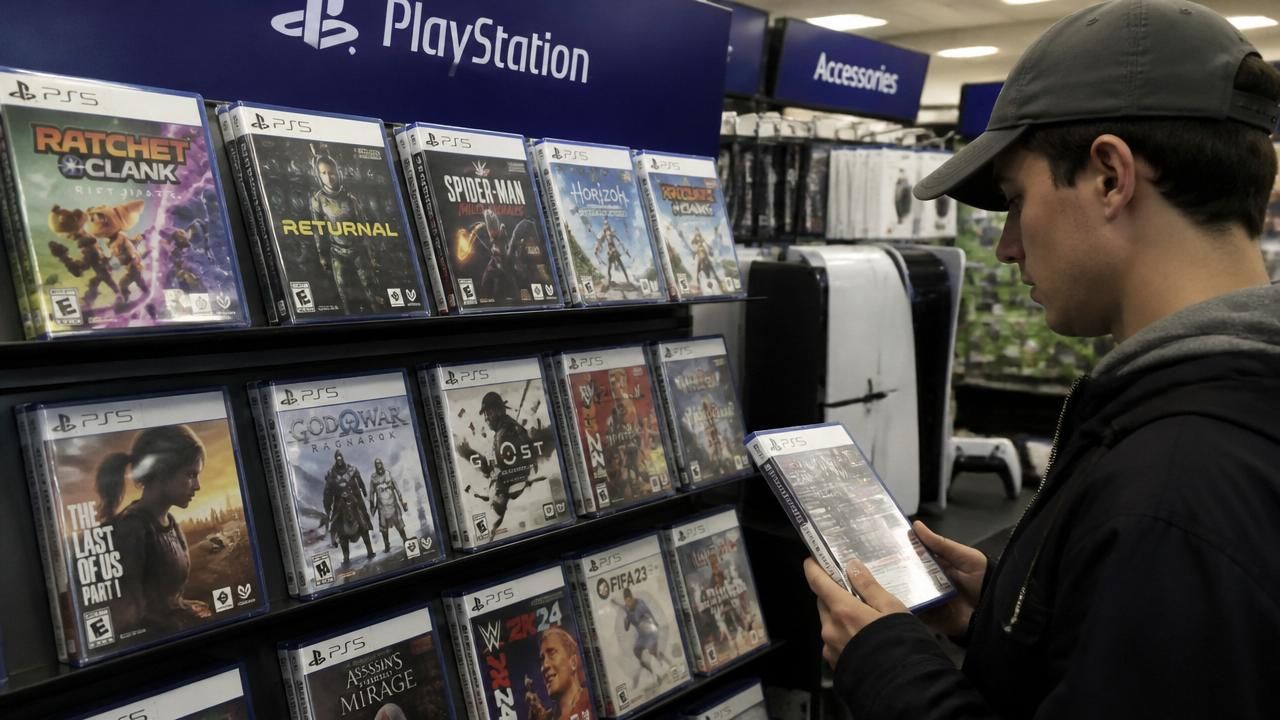
The tectonic plates of the gaming industry are shifting beneath our feet. In a series of announcements and reports over the past weeks, both Sony and Microsoft have signaled a clear intent to abandon physical game discs, moving toward an all-digital future. The news has sparked a firestorm of debate among gamers, developers, and industry analysts, with many mourning the loss of ownership, resale value, and the tangible joy of a game collection.
Sony Leads the Charge into a Disc-Free Era
Sony has been the most explicit about its plans. According to multiple reports, the company will cease production of physical PlayStation 5 discs in the near future, making the digital-only PS5 Digital Edition the standard. A report from Geeky Gadgets claims Sony has revealed its reasoning: cost savings, combatting piracy, and the increasing consumer preference for digital downloads. However, the move has been met with widespread criticism. IGN called it 'not just concerning, but offensive,' while TechRadar described it as 'a hammer blow for games retail.'
The backlash has been swift and organized. A petition on Change.org titled 'Save Physical Games' has amassed over 200,000 signatures, according to Push Square. Destructoid reports that another petition has passed 135,000 signatures. Gamers are not alone—film buffs and 4K Blu-ray collectors are also affected, as noted by GamesRadar, since the PS5 also serves as a 4K Blu-ray player.
Xbox and Nintendo: Different Paths, Same Destination?
Microsoft is not far behind. Reports from The Shortcut and TrueAchievements indicate that Xbox is exploring an all-digital future, with leaks suggesting that Walmart may remove physical Xbox games from its stores as early as 2024. A report from Tweaktown corroborates this, noting that the retail giant is already scaling back its physical game inventory. Meanwhile, Windows Central reports that 71% of gamers still want physical games, and a separate article laments the loss of midnight launches and second-hand savings.
Nintendo appears to be the outlier. In a statement reported by Nintendo Everything, the company said physical games are 'still a key part of our business.' The upcoming Switch 2 will support physical cartridges, and Nintendo has even announced price reductions for some Switch 2 games. However, a report from Happy Gamer notes that Nintendo has flipped the script with Splatoon Raiders, where the physical version costs more than digital—a sign that even Nintendo is testing the waters.
Industry Experts Weigh In: A 'Hammer Blow' for Retail
Eurogamer spoke with industry experts who described Sony's decision as 'a hammer blow for games retail.' Traditional game stores like GameStop, which rely on physical sales and trade-ins, face an existential threat. The Loadout reports that Microsoft's 1,900 layoffs across its studios may accelerate the shift to digital. GamesIndustry.biz asks, 'The future is digital—right?'—a question that now seems rhetorical.
Analysts predict that physical games will be gone in 'less than a decade,' according to MSN. The Verge notes that Grand Theft Auto VI will not offer a disc-based version, a worrying sign for the future of physical games. Limited Run Games, a company that specializes in producing physical copies of digital-only games, is trying to preserve a physical legacy, but it may be a losing battle.
Gamers Push Back: The Emotional and Practical Toll
For many, the move to digital is not just a practical concern but an emotional one. A Windows Central article titled 'As Sony revokes digital licenses and Xbox hints at a discless future—I'm saying a sad farewell to physical software, midnight launches, and second-hand game savings' captures the sentiment. The author reminisces about the joy of browsing store shelves, reading manuals, and building a collection.
Hideo Kojima, the legendary game director, has weighed in multiple times. According to TechRadar, Kojima once insinuated that game ownership would be axed, and Sony has proved him right. PC Gamer quotes Kojima as saying, 'I find it really sad,' lamenting the current state of the industry. In an interview with IGN, Kojima warned of a 'frightening' digital future where consumers own nothing.
'Digital data will no longer be owned by individuals on their own initiative.' — Hideo Kojima
An indie game called Boxroom, reported by Windows Central, tries to recreate the feeling of a physical game collection using your Steam library—a nostalgic nod to what we're losing.
Preservation and Ownership: The Unaddressed Crisis
Digital preservation is a growing concern. Digital Trends points out that as Sony buries physical games, preservation is left to clean up the mess. When digital storefronts shut down—as Sony has done with the PS3 and Vita stores, according to TechRadar—games become inaccessible. The ability to resell or lend games also disappears. AOL reports that future Xbox tech might allow you to digitize physical games, but that doesn't solve the ownership issue.
The Greek Herald's article about Tsitsipas and the Australian Open is unrelated to this story, but it underscores the broad reach of the term 'physical game.'
What's Next: A Digital-Only Landscape
The shift seems inevitable. While Nintendo holds out, the rest of the industry is moving toward a model where you pay for a license, not a product. As one analyst told MSN, 'Physical games will be gone in less than a decade.' The question is no longer if, but how we adapt—and what we lose in the process.
For now, gamers are left to treasure their physical collections, as TechRadar's tearful send-off suggests. But the shelves at Best Buy and GameStop are thinning, and the future is digital.