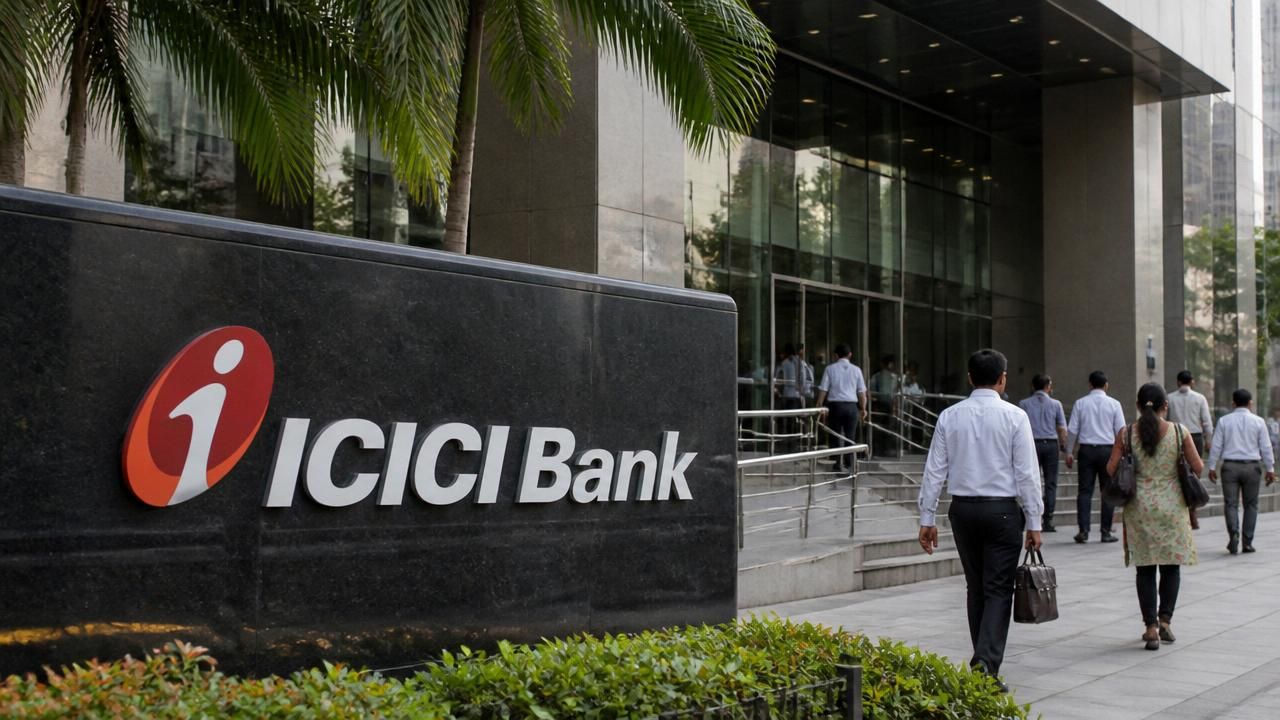
India’s top private banks are reporting robust first-quarter earnings, fueled by a revival in corporate lending as companies shift from expensive bond markets to cheaper bank loans. This trend, highlighted by Bloomberg and confirmed by multiple sources, suggests a sustained pickup in credit demand that could drive growth for the sector.
Strong Q1 Results Across the Board
ICICI Bank, one of India’s largest private lenders, posted a profit that beat estimates, driven by strong loan growth and lower provisions, according to Reuters. Similarly, RBL Bank reported higher profits on the back of robust credit expansion, as noted by Reuters. These results align with a broader pattern observed by Bloomberg: India’s private banks are betting on a sustained increase in lending after reporting healthy numbers for the first quarter of the fiscal year.
“India’s top private banks are betting on a sustained pick up in lending after reporting healthy numbers in the first quarter of the fiscal year, as more companies shift away from pricier bond market borrowings to cheaper loans.” — Bloomberg Markets
Why Corporate Loans Are Picking Up
The shift from bond markets to bank loans is a key driver. Companies are finding bank loans more attractive due to lower interest rates compared to corporate bonds. This trend is particularly evident among mid-sized and large corporates that had previously relied on bond issuances. The Reserve Bank of India’s accommodative monetary policy has kept lending rates low, encouraging borrowers to seek bank financing.
Impact of Global Factors
Despite geopolitical tensions in West Asia, India’s private banks have shown resilience. As reported by MSN, these banks have defied the shadow of West Asia instability, maintaining strong credit growth. This underscores the domestic demand-driven nature of the Indian economy and the banks’ ability to navigate external shocks.
Differing Perspectives from Sources
While Bloomberg focuses on the strategic shift from bonds to loans, Reuters emphasizes the profit beats at ICICI and RBL Bank, highlighting lower provisions as a factor. MSN’s coverage underscores the resilience against global headwinds. The Economic Times, meanwhile, mentions HSBC Midcap Fund and Larsen & Toubro in related contexts, suggesting that the corporate loan revival is also attracting investor interest in midcap funds and infrastructure companies.
Historical Context and Expert Views
India’s banking sector has undergone significant consolidation and cleanup in recent years, with non-performing assets declining. This has strengthened bank balance sheets, enabling them to lend more aggressively. According to analysts, the corporate loan revival is a positive sign for the broader economy, as it indicates increasing capital expenditure by companies.
“The shift from bonds to loans is a sign of confidence in the banking system,” said a banking analyst quoted by Bloomberg. “Banks are well-capitalized and eager to lend, while companies are finding bank loans more flexible and cost-effective.”
Implications for the Economy
The revival in corporate lending is expected to support economic growth, as businesses invest in expansion and working capital. It also bodes well for bank profitability, as loan growth drives net interest income. However, some experts caution that banks must maintain credit quality to avoid a buildup of bad loans.
Overall, the first-quarter results signal a turning point for India’s private banks, which are now poised to capitalize on the corporate loan revival. As the economy recovers, this trend could sustain, benefiting both lenders and borrowers.