The dream of a truly hands-free home is inching closer to reality. At CES 2026, a wave of smart locks featuring advanced biometric authentication—including 3D structured-light facial recognition, palm vein scanning, and UWB-based proximity unlocking—has captured the attention of tech enthusiasts and security-conscious homeowners alike. Leading the charge is SwitchBot with its new Lock Vision Series, which the company bills as the world's first smart deadbolt locks with 3D structured-light facial recognition. But as the industry pushes toward frictionless entry, questions about privacy, reliability, and cost remain front and center.
What’s New: SwitchBot Lock Vision Series
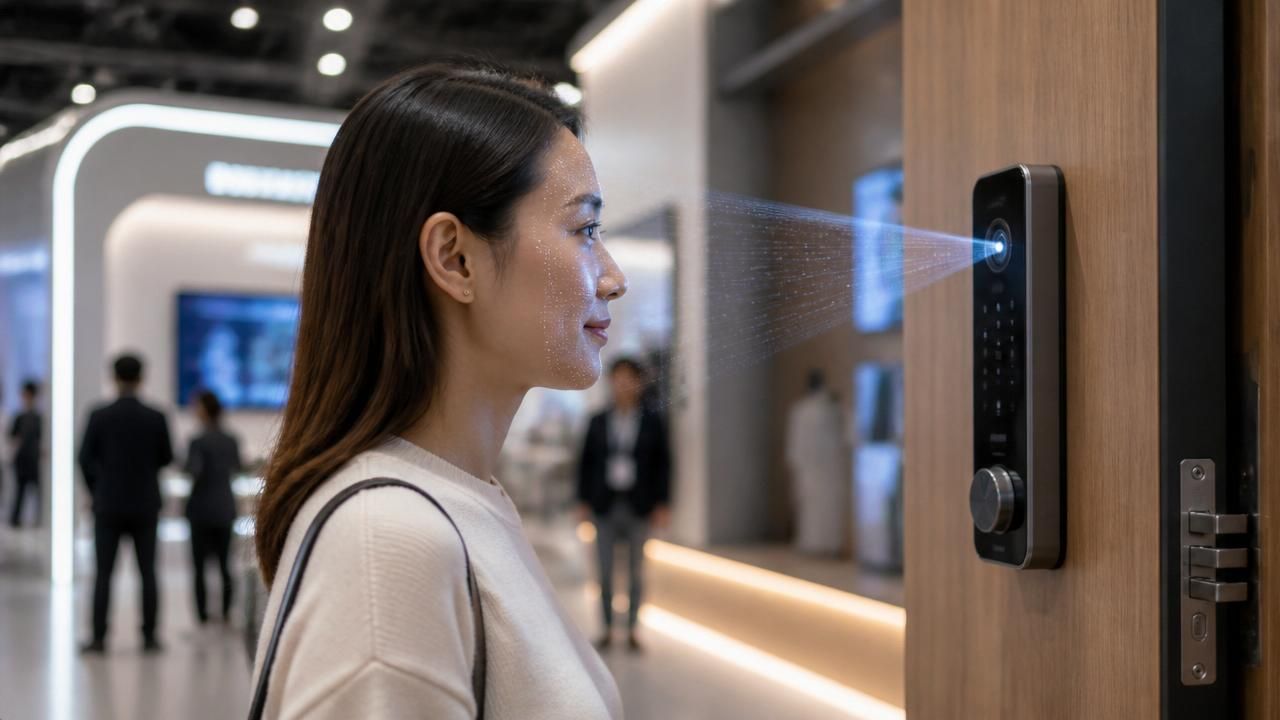
SwitchBot's Lock Vision Series made headlines at CES 2026, promising to unlock your door just by looking at it. The lock uses a 3D structured-light camera—similar to Apple's Face ID—to map your face and authenticate entry. According to the company, the system is designed to be fast, accurate, and secure, even in low light. The lock also supports Matter, the new smart home interoperability standard, allowing seamless integration with Apple Home, Google Home, Amazon Alexa, and other platforms.
MacRumors reported that SwitchBot is launching two Matter-compatible models with 3D facial recognition, suggesting the company is betting big on both biometrics and cross-platform compatibility. The Verge also highlighted the trend, noting that facial recognition smart locks are “actually good” and represent a significant leap forward in removing friction from daily routines.
Beyond Facial Recognition: Palm Veins and UWB
SwitchBot isn't the only player pushing biometric boundaries. At CES 2026, the Ultraloq Bolt Sense smart lock was also unveiled, featuring palm vein recognition alongside facial recognition. This dual-modal approach aims to offer an even more secure and convenient alternative to keys and codes. Meanwhile, other manufacturers are exploring ultrawideband (UWB) technology—similar to what's used in Apple's AirTags and Car Keys—to enable automatic unlocking when a user's phone is within a few feet of the door.
The Verge's Jennifer Pattison Tuohy praised the hands-free experience, writing that “the best smart home tech removes friction, and having your door unlock for you as you walk up is as frictionless as it gets.” She noted that geofencing has been unreliable, but newer technologies like facial recognition and UWB are finally delivering on the promise.
Differing Perspectives: Convenience vs. Privacy
While many tech outlets are enthusiastic, not everyone is convinced. A piece on MSN titled “I won't install a smart lock on my front door, and here's why the industry is wrong about them” voiced skepticism, citing concerns over data security, potential hacking, and the permanence of biometric data. Unlike a password, you can't change your face if a database is breached.
WIRED, in its roundup of the best smart locks for 2026, acknowledged the innovation but cautioned that early adopters should consider the maturity of the technology. PCMag's review of the Nuki Smart Lock, while not directly about facial recognition, highlighted the issue of ongoing costs—noting that some retrofit solutions require monthly Wi‑Fi fees, which can add up over time.
Scotsman.com posed a practical question: “Is it really worth £300?” The article weighed the convenience of keyless entry against the significant upfront investment, especially for renters or those in temporary housing.
Industry Context: The Smart Lock Market Matures
The smart lock market has evolved rapidly over the past decade. Early models relied on Bluetooth or Wi‑Fi and required manual app interaction. Then came keypad and fingerprint readers. Now, with the advent of 3D facial recognition and UWB, the industry is moving toward a truly passive experience—where the lock recognizes you and opens automatically.
Matter support is a key enabler, ensuring that these new locks work across ecosystems. As more devices adopt Matter, consumers can mix and match brands without worrying about compatibility. This standardization is expected to accelerate adoption.
Security experts, however, urge caution. Biometric data, once compromised, cannot be replaced. While 3D structured-light systems are harder to spoof than 2D cameras, no system is foolproof. Additionally, the cloud storage of facial data raises privacy concerns. SwitchBot and Ultraloq have stated that biometric data is encrypted and stored locally, but transparency around data handling remains critical.
What the Experts Say
“Hands-free unlocking using geofencing has been around for a while, but it can be slow and unreliable. Newer innovations—facial recognition and unlocking using an ultrawideband radio—are finally making the experience seamless.” — Jennifer Pattison Tuohy, The Verge
But some industry observers argue that the technology is solving a problem most people don't have. A recent survey by the Smart Home Association found that only 18% of homeowners consider “frictionless entry” a priority. Most are more concerned with security and reliability.
Looking Ahead
As CES 2026 showed, the race is on to make smart locks smarter. With SwitchBot, Ultraloq, Lockly, and others competing, consumers will soon have more choices than ever. But the decision isn't just about features—it's about trust. Will you trust a camera on your front door with your face? For many, the answer is still no. But as the technology matures and privacy safeguards improve, the tide may turn.
For now, the smart lock industry is at a crossroads: convenience is finally attainable, but the price—both monetary and in terms of privacy—remains a barrier. The next few years will determine whether facial recognition becomes as common on our doors as it is on our phones.