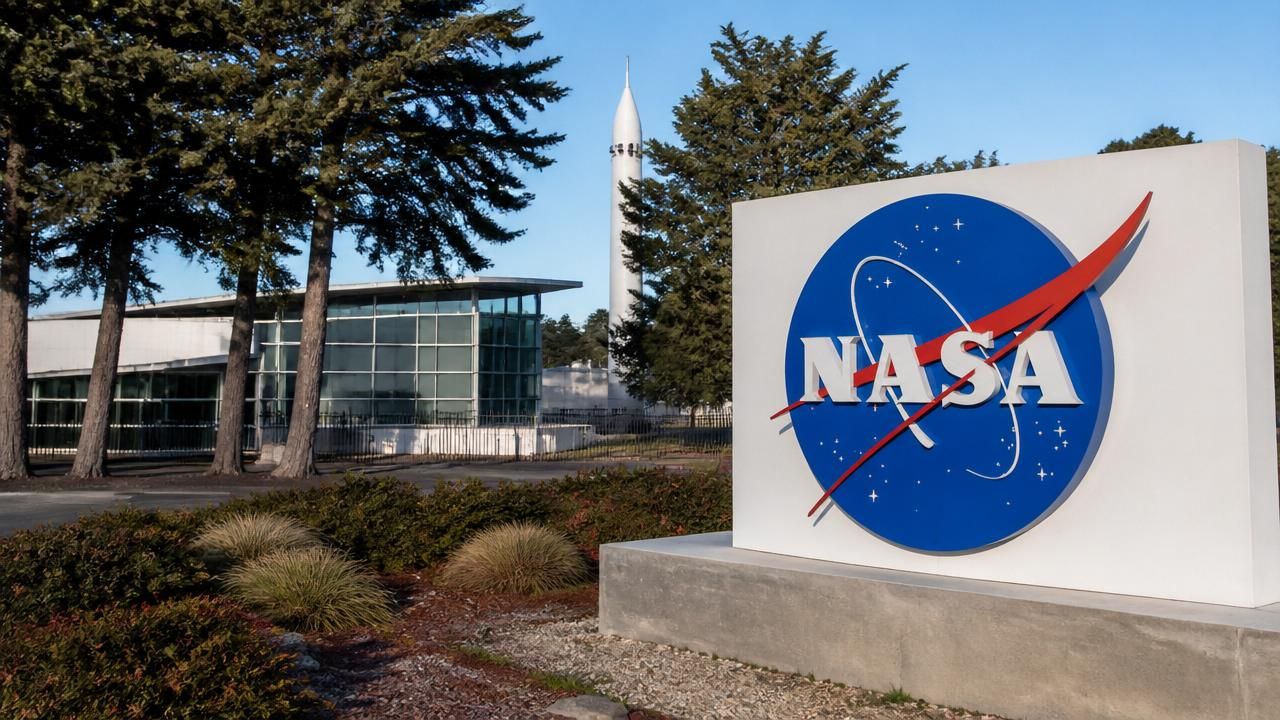
NASA has awarded a significant facilities support contract to Chugach Intelligence Solutions LLC for the Ames Research Center in California's Silicon Valley, a move that underscores the agency's commitment to maintaining its specialized infrastructure. The Ames Facilities Support Services II contract, valued at up to $158 million, will provide comprehensive operations, maintenance, and repair services for the center's historic and mission-critical facilities.
Contract Details and Scope
The hybrid contract features a five-year period of performance, beginning with a 12-month base period followed by four 12-month option periods, with a possible six-month extension. Performance is expected to start August 13. The contract structure includes cost-plus-award-fee core requirements, firm-fixed-price phase-in, and indefinite-delivery/indefinite-quantity task orders, allowing flexibility for routine and emergent needs. This award ensures that Ames' facilities—which support a wide range of NASA missions and tenant partners in the NASA Research Park—remain fully operational.
Context and Broader Impact
Ames Research Center, located at Moffett Field, is a key hub for aeronautics, space exploration, and technology development. It houses unique facilities such as wind tunnels, supercomputers, and simulation labs. The contract is part of NASA's broader effort to sustain its federal labs and research centers across California, which collectively contribute to the state's economy and technological leadership. According to the California Council on Science and Technology (CCST), these labs drive innovation and generate billions in economic impact.
Chugach's Role and Capabilities
Chugach Intelligence Solutions LLC, a subsidiary of the Chugach Alaska Corporation, brings expertise in facilities management and support services. The company has a track record with federal agencies, including previous work with NASA. This contract expands its presence in the aerospace sector, aligning with its strategy to secure long-term government contracts.
Differing Perspectives
While NASA's announcement highlights operational continuity, local business media have focused on the economic ripple effects. The Bizjournals report notes that similar contracts, such as Fiore Industries' extension at JPL, demonstrate how facilities support work sustains small businesses and creates jobs. However, some sources like Mirage News and PR.com faced access restrictions, limiting their coverage. The CCST report emphasizes the broader ecosystem of federal labs in California, which includes Ames, JPL, and others, collectively supporting over 50,000 jobs.
Historical Context
Ames has been a cornerstone of NASA since 1939, originally as a NACA laboratory. Its facilities have evolved to support everything from Apollo-era testing to modern Mars rover simulations. This contract ensures that legacy continues amid budget constraints and aging infrastructure. The $158 million investment is modest compared to NASA's overall budget but critical for maintaining specialized capabilities that cannot be replicated elsewhere.
Expert Views and Data Points
Industry analysts note that facilities contracts are essential for NASA's mission success. "Without reliable infrastructure, research and development grind to a halt," said a former NASA facilities manager. The contract's IDIQ structure allows for rapid response to emergencies, such as earthquake damage or system failures. Data from NASA's inspector general shows that deferred maintenance at Ames has been a concern, making this award timely.
Implications for the Future
This contract signals NASA's continued reliance on private sector partners for non-core functions, freeing up internal resources for science and exploration. It also reflects a trend toward longer-term, flexible contracts that align with the agency's evolving needs. For Chugach, it represents a foothold in the competitive NASA support market, potentially leading to more work at other centers.
As the contract begins, stakeholders will watch for improvements in facility uptime and cost efficiency. The success of this model could influence how NASA manages its other centers, from Goddard to Johnson. For now, Ames' historic hangars and cutting-edge labs will remain ready for the next generation of space exploration.