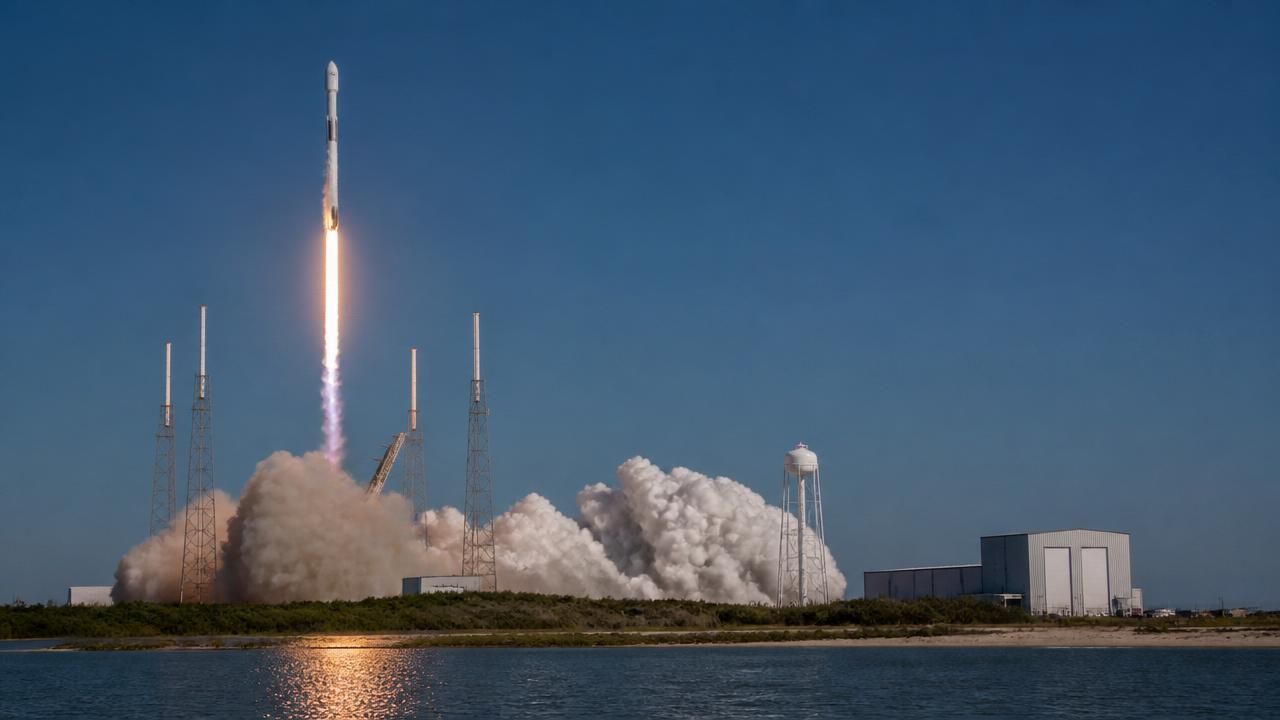
The Space Development Agency (SDA), created in 2019 to inject Silicon Valley speed into Pentagon space acquisitions, is approaching a paradoxical milestone: as its first operational satellites reach orbit, the agency itself is being phased out. On July 16, 2026, a Falcon 9 rocket launched 21 more satellites for the Pentagon's first operational low Earth orbit (LEO) data network, pushing the constellation to half its planned size. Yet lawmakers in both houses of Congress have backed folding SDA back into the Space Force's procurement pipeline, a move that supporters say will streamline buying but critics warn could undo the very agility SDA was meant to foster.
Birth of an Agency
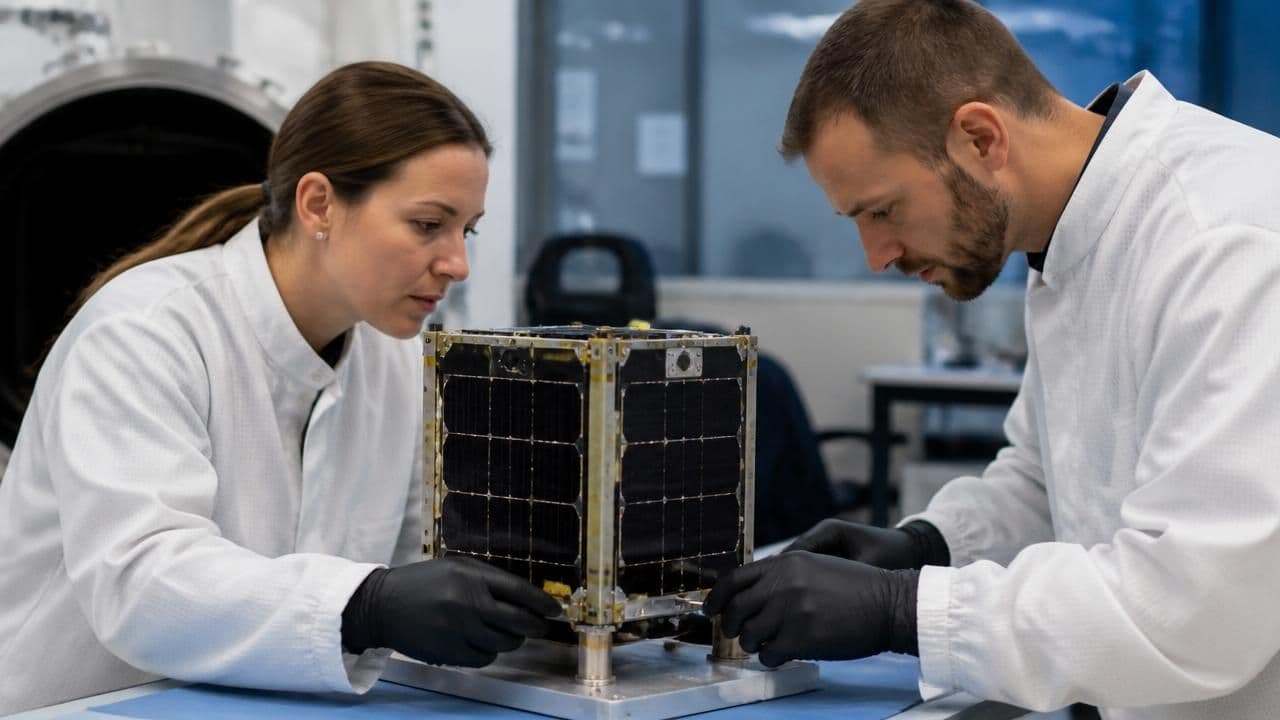
Established under then-Defense Secretary Mark Esper, SDA was designed to bypass the Pentagon's notoriously slow acquisition system. Its mission: rapidly field a proliferated LEO constellation of hundreds of small satellites for communications, missile tracking, and data relay. The agency adopted commercial practices, awarding fixed-price contracts and pushing for two-year development cycles. “SDA has been praised as a change agent in Pentagon procurement,” notes the agency's own website, highlighting its role in shifting the military toward smaller, cheaper satellites.
Operational Milestones
The latest launch brings the Tranche 1 Transport Layer—a mesh network of optical-linked satellites—to 42 of a planned 100 spacecraft. This constellation aims to provide resilient, low-latency data links for military forces worldwide. A separate Tracking Layer, designed to detect hypersonic missiles, is also under development. According to spacedaily.com, the optical laser mesh intended to let satellites communicate is still a bottleneck, with SDA director Derek Tournear acknowledging that terminal production has lagged. The Government Accountability Office (GAO) has flagged risks in the missile-tracking satellite program, citing schedule and technical challenges.
Closure Amid Success
Despite these achievements, the Pentagon plans to shutter SDA and integrate its functions into the Space Force's newly reorganized acquisition structure. The move, backed by the House and Senate Armed Services Committees in drafts of the 2026 National Defense Authorization Act, aims to consolidate procurement under program executive officers. Critics argue that folding SDA into the bureaucracy it was created to escape could slow innovation. “The agency hasn't moved as fast as anyone would like,” Ars Technica reports, but its approach has already influenced how the Space Force buys satellites.
Political and Trade Tensions
Meanwhile, broader geopolitical dynamics complicate space cooperation. Trade disputes have muzzled allied talks on Trump's proposed “Golden Dome” missile shield, a space-based defense concept. The SDA's work on hypersonic tracking is directly relevant to such a system, but international partnerships face headwinds from tariff disputes and technology transfer concerns.
What's Next?
As SDA transitions into the Space Force, the fate of its rapid acquisition model hangs in the balance. The agency has proven that small satellites can be fielded quickly, but sustaining that pace within a larger bureaucracy will be a test. The next tranches of the constellation—including enhanced optical terminals and more advanced tracking sensors—are already on contract. Whether the Space Force can maintain SDA's momentum while integrating it into traditional procurement remains an open question.
“SDA has been a catalyst for change, but the Pentagon's gravitational pull toward slow, expensive programs is strong,” said a former defense official. “The real test will come after the agency is gone.”
With half the constellation in orbit and a clear mission ahead, the coming months will determine whether the Pentagon's experiment in rapid space acquisition leaves a lasting legacy—or becomes another cautionary tale.