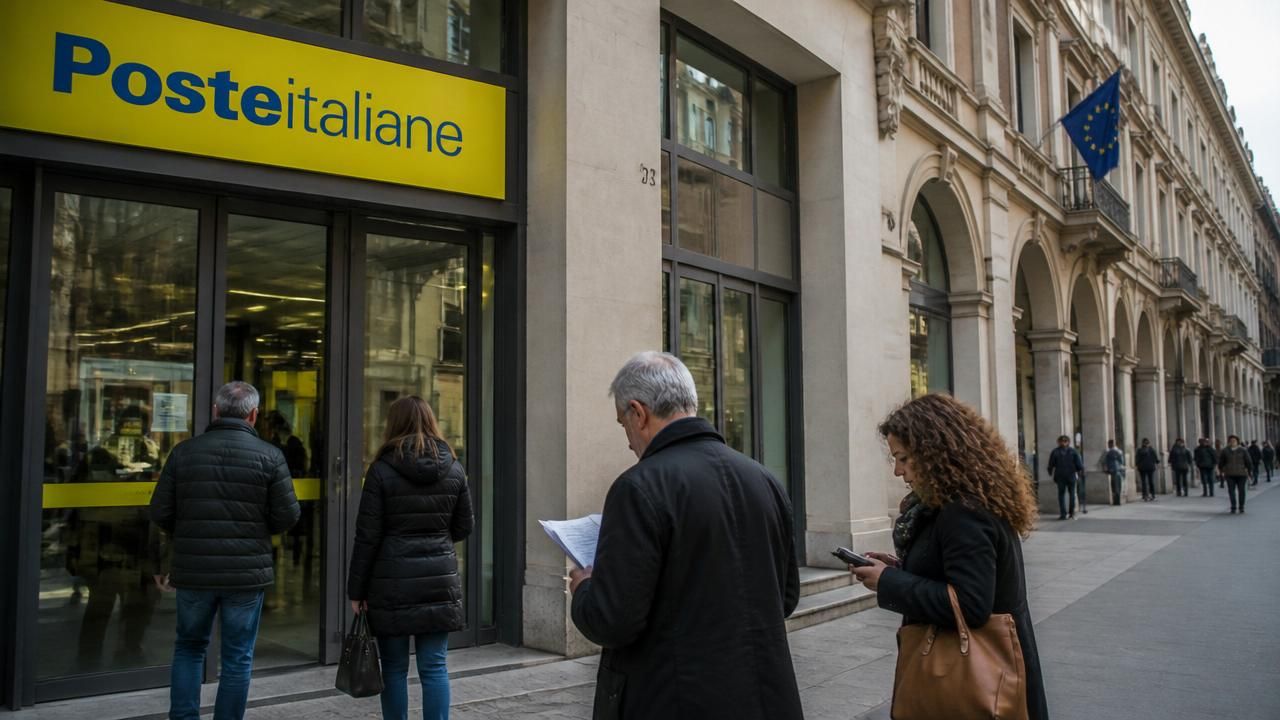
In a move that signals a significant shift in Italy's telecommunications landscape, Poste Italiane SpA has launched a €10.8 billion ($12.4 billion) takeover bid for Telecom Italia SpA (TIM). The offer, which has been cleared by Italy's market watchdog, is seen by TIM's board as fair, with sources indicating that the board is unlikely to seek a higher price. This bid represents a strategic effort to bring TIM back under state control, reshaping the country's digital infrastructure amid a global race for AI and cloud dominance.
The Bid: Details and Reactions
According to Bloomberg, TIM's board is leaning toward endorsing the €10.8 billion offer as fair. The bid values TIM at a premium, reflecting Poste Italiane's ambition to integrate telecom services with its postal and financial operations. Reuters reports that the bid aims to return TIM to state hands, a stark reversal from the privatization wave of the 1990s. However, TIM's CEO has stated it is too early to weigh the bid, suggesting that further negotiations may be needed. In contrast, Poste Italiane has ruled out a higher bid, indicating a take-it-or-leave-it stance.
"The board is leaning toward endorsing the offer as fair, and is unlikely to seek a higher price," a source familiar with the matter told Bloomberg.
The Wall Street Journal highlights the strategic rationale: Poste Italiane, already a major player in Italy's financial services, seeks to leverage TIM's extensive telecom network to offer bundled services. This move aligns with the Italian government's broader push to create a national cloud champion, as reported by WTVB, with state-owned entities like Leonardo also targeting control.
Regulatory Clearance and Financial Maneuvers
Italy's market watchdog has cleared Poste Italiane to begin the takeover bid, as reported by Telecompaper. This clearance removes a key hurdle, allowing the bid to proceed. Meanwhile, TIM has been preparing for the takeover through financial restructuring. The company completed a 1-for-10 reverse stock split and concluded a savings share conversion, both aimed at simplifying its capital structure. Additionally, TIM secured a €750 million state-backed loan, according to Reuters, and launched a €400 million share buyback program. These moves are seen as efforts to strengthen TIM's balance sheet ahead of the acquisition.
Financial Performance and Context
Despite the takeover drama, TIM reported a 5.3% rise in core earnings for the first nine months, demonstrating underlying operational strength. This performance may bolster the company's negotiating position, though Poste Italiane has ruled out a higher bid. The bid comes at a time when global telecom operators are under pressure to invest in fiber and 5G networks, and Italy is no exception. The renationalization of TIM could ensure that these investments align with national interests.
Strategic Implications: AI and Cloud Infrastructure
The bid is part of a broader trend where postal services are diversifying into digital infrastructure. As Reuters notes, Italy's postman is joining the AI infrastructure race. Poste Italiane already operates a vast logistics and financial network, and adding TIM's telecom assets would create a powerful platform for AI and cloud services. DataCenterDynamics reports that the bid could reshape Italy's data center landscape, as Poste Italiane seeks to control TIM's network assets. This aligns with the government's plan to consolidate cloud services through a national company, as reported by sources.
"Italy's postman joins the AI infrastructure race," Reuters wrote, highlighting the strategic pivot.
However, some analysts question whether the bid price is sufficient. Global Banking and Finance notes that TIM's CEO has expressed caution, and sources say Poste Italiane is seeking a meeting with TIM's board to discuss the offer. The outcome could set a precedent for state intervention in European telecoms.
Broader Market and Political Context
The bid has drawn attention beyond Italy. In Germany, UniCredit is considering options to sweeten its Commerzbank bid, but the Italian deal is seen as more straightforward. The renationalization of TIM reflects a growing trend of governments reclaiming control over critical infrastructure, particularly in sectors like telecom and energy. The Italian government, which already holds a stake in TIM through state lender CDP, views the deal as a way to secure Italy's digital sovereignty.
However, the deal is not without controversy. Some shareholders argue that the bid undervalues TIM, especially given its recent earnings growth. Others worry about the efficiency of state-owned enterprises. The coming weeks will be crucial as TIM's board formally responds and shareholders vote.
Conclusion
Poste Italiane's €10.8 billion bid for Telecom Italia marks a pivotal moment for Italy's telecom sector. With regulatory clearance secured and TIM's board leaning toward acceptance, the deal appears on track. If completed, it would create a state-backed telecom giant capable of competing in the AI and cloud era. Yet, questions remain about the price and the long-term implications of renationalization. As the story unfolds, all eyes are on Rome, where the future of Italy's digital infrastructure hangs in the balance.