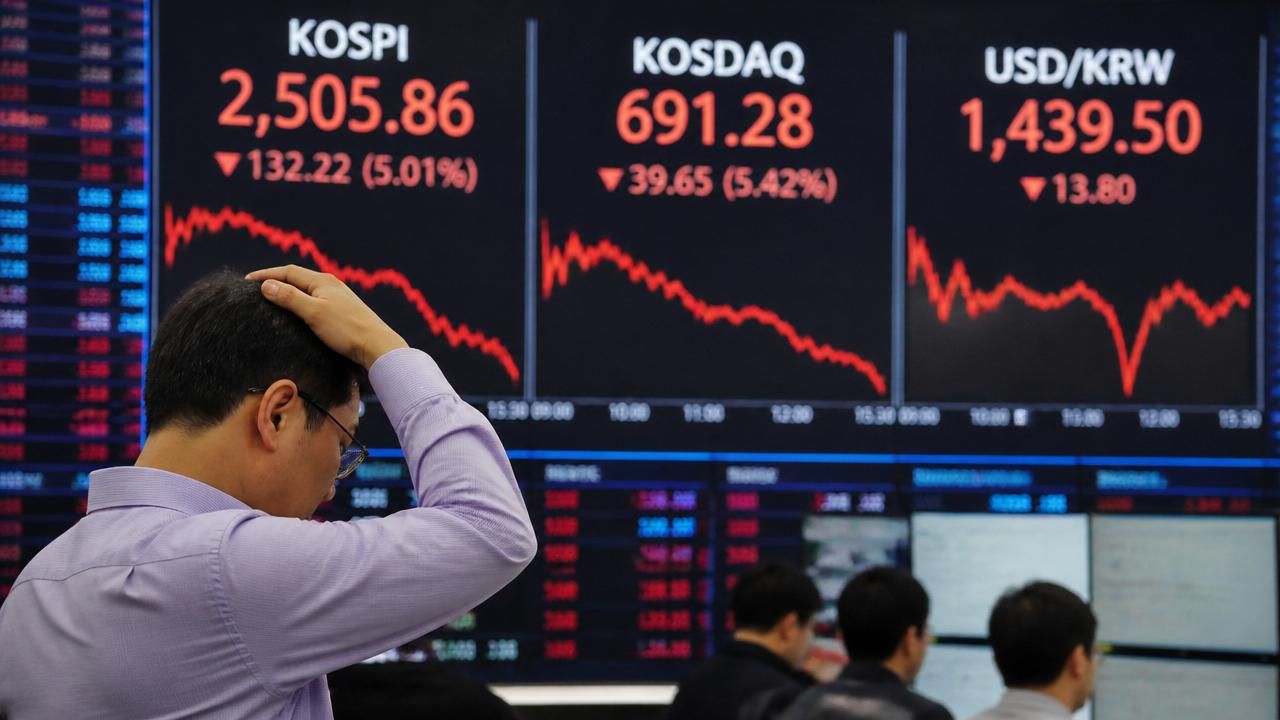
A severe sell-off in technology stocks, particularly in the semiconductor sector, has swept across Asian markets, triggering a circuit breaker on South Korea's KOSPI and pushing Taiwan stocks into a technical correction. The rout was sparked by Taiwan Semiconductor Manufacturing Co. (TSMC) results that stoked worries over heavy capital spending and a weaker outlook for profitability, deepening losses that began on Wall Street.
TSMC Results Spark Correction in Taiwan
Taiwan stocks fell sharply, entering a technical correction as the broader chip sector suffered. According to Bloomberg Markets, TSMC's results raised concerns about elevated spending and a dimmer profitability outlook. The sell-off drove Taiwan's benchmark index down more than 10% from its recent peak, meeting the definition of a correction. TSMC, the world's largest contract chipmaker, reported robust revenue growth but flagged rising costs and margin pressure, spooking investors already jittery about the sustainability of the AI-driven rally.
KOSPI Triggers Circuit Breaker
In South Korea, the KOSPI index triggered a circuit breaker, halting trading temporarily as the AI-driven tech sell-off deepened. The move underscores the severity of the market turmoil, with chipmakers like Samsung Electronics and SK Hynix leading losses. The circuit breaker, which kicks in when index futures fall more than 5% for more than a minute, was triggered amid a wave of selling that erased billions in market value.
SoftBank Plunges Over 9%
SoftBank Group Corp., the Japanese tech conglomerate, sank over 9% as the sell-off spread across Asia. The company, a major investor in AI startups through its Vision Fund, was hit hard by the broader decline in tech stocks. MSN reported that SoftBank's shares fell to their lowest level in months, reflecting investor anxiety over the valuation of tech assets and the potential for a bubble burst.
Expert Views: Bubble or Correction?
Despite the sharp losses, some market experts remain unfazed, suggesting the sell-off may be a healthy correction rather than the popping of a bubble. Investopedia noted that while the tech sector has experienced a massive rally driven by AI enthusiasm, valuations have become stretched. However, some analysts argue that fundamentals remain strong, with AI adoption still in early stages. "This is a classic case of profit-taking and rebalancing," said a market strategist. "The AI theme is not dead; it's just taking a breather." Others warn that the sell-off could deepen if earnings disappoint or if central banks maintain hawkish stances.
Historical Context and Implications
The current rout echoes past tech corrections, such as the dot-com bust, but with key differences. The AI boom has been fueled by genuine breakthroughs in machine learning and generative AI, driving demand for chips and data centers. However, the heavy capital expenditures required, as highlighted by TSMC, pose risks to profitability. The sell-off also reflects broader macroeconomic concerns, including rising interest rates and geopolitical tensions in the region.
For investors, the correction presents both risks and opportunities. While short-term volatility may persist, long-term believers in AI see the dip as a buying opportunity. The implications for the global tech supply chain are significant, with potential delays in capacity expansion and shifts in investment strategies.
As markets digest the news, all eyes will be on upcoming earnings reports from key players like NVIDIA and AMD, which could set the tone for the sector's recovery. The sell-off serves as a reminder that even the most promising technologies are not immune to market cycles.