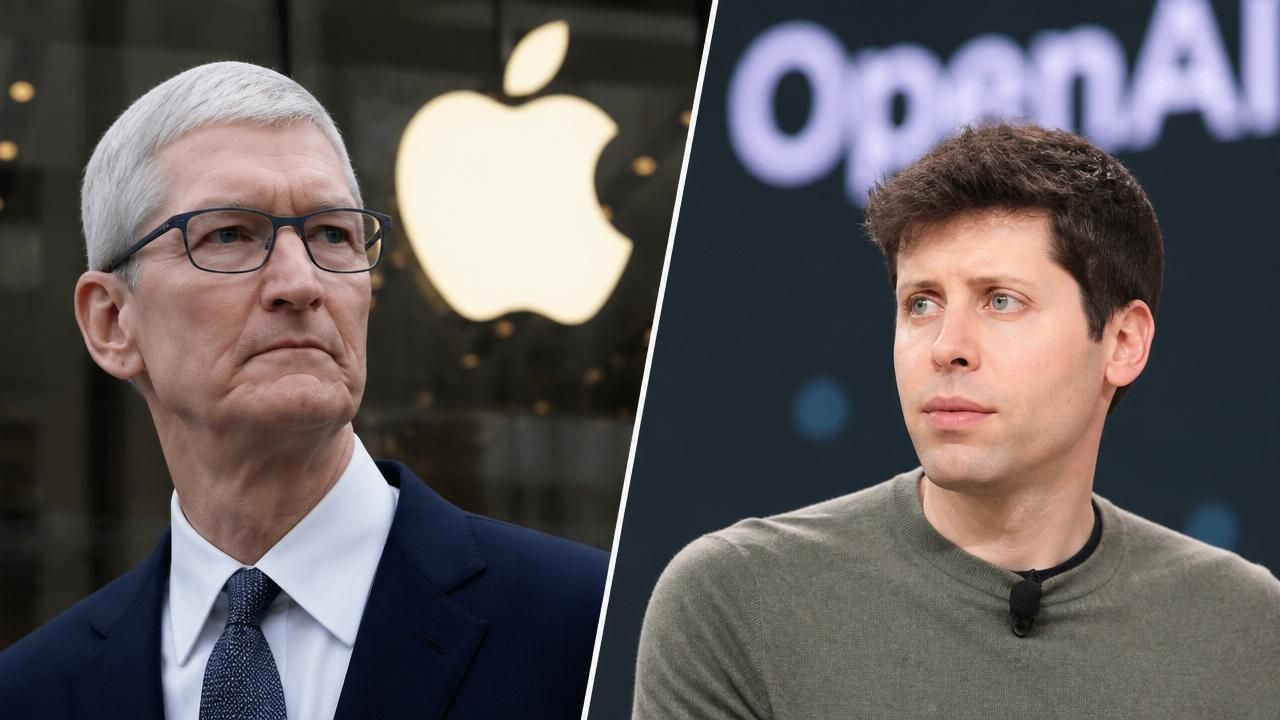
In a dramatic escalation of the tech industry's intensifying AI rivalry, Apple has filed a lawsuit against OpenAI, accusing the ChatGPT maker of stealing trade secrets related to its hardware and AI development. The suit, filed in federal court, alleges that a former Apple engineer exploited a software bug to exfiltrate confidential documents and then joined OpenAI, using the stolen information to accelerate the company's development of AI gadgets. The case has drawn immediate attention from industry figures, including Elon Musk, who seized the opportunity to renew his long-running feud with OpenAI CEO Sam Altman.
The Allegations: Stolen Laptops, Secret Moles, and Espionage
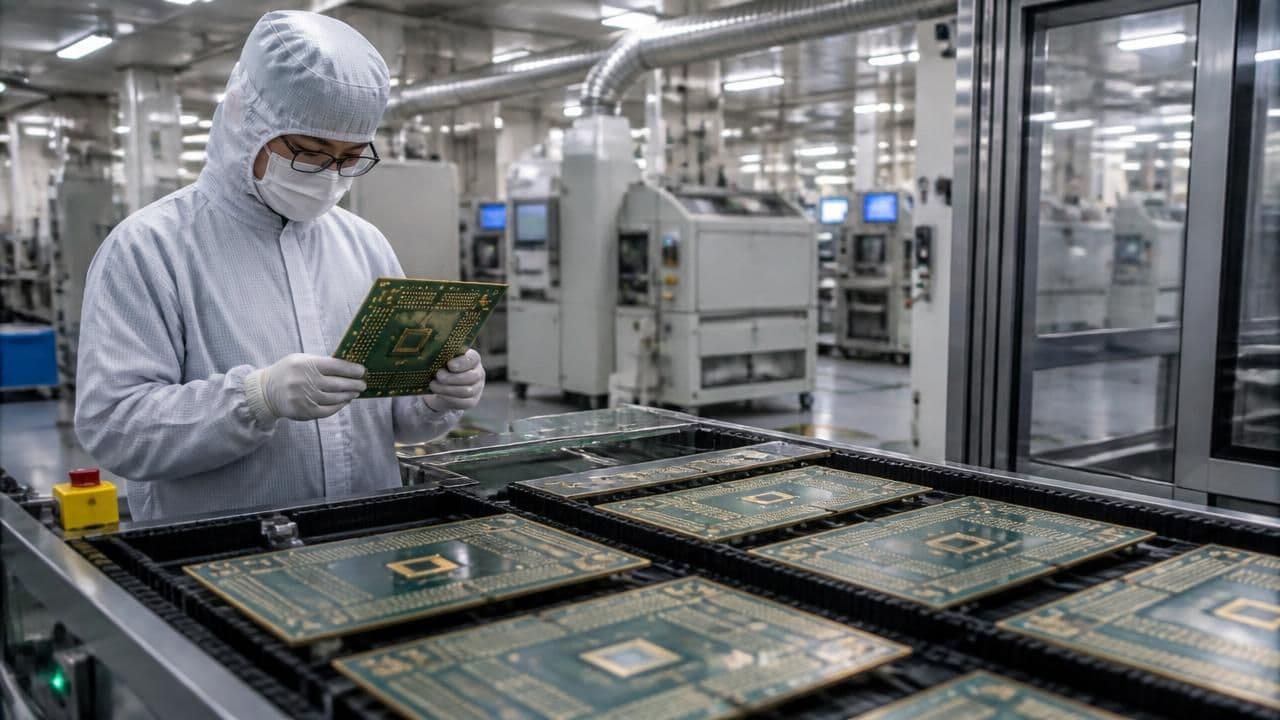
According to the complaint, Apple's former employee—identified as an engineer working on proprietary hardware—used a vulnerability in Apple's internal systems to download thousands of files containing trade secrets. These included designs for next-generation chips, thermal management systems, and plans for Apple's rumored AI-focused devices. The engineer then allegedly deleted logs and covered his tracks before resigning and joining OpenAI. Apple claims that OpenAI subsequently released products that bore striking similarities to Apple's confidential designs.
Sources familiar with the case describe the lawsuit as a 'blockbuster' that includes allegations of stolen laptops, data breaches, and even a secret mole within Apple's ranks. The New York Times reports that the suit also references a 'recruiting-as-espionage' strategy, where OpenAI allegedly targeted key Apple employees to gain access to proprietary knowledge. Apple is seeking damages and an injunction to prevent OpenAI from using the stolen information.
'This is not just a typical trade secrets case; it's about a systematic effort to undermine Apple's R&D through industrial espionage,' said a legal analyst quoted by Ars Technica.
Elon Musk Piles On: A Personal Feud Resurfaces
Elon Musk, a co-founder of OpenAI who later left the company, quickly weighed in on social media, accusing Sam Altman of 'taking scamming to a whole new level.' Musk's comments, reported by Yahoo Finance and AOL, are the latest volley in a bitter personal and professional rivalry. Musk has repeatedly criticized OpenAI's shift from a nonprofit to a for-profit model and its partnership with Microsoft. He is currently building his own AI venture, xAI, which recently announced a $20 billion data center in Mississippi.
Musk's attack is seen by some as a strategic move to undermine OpenAI as he positions xAI as a more ethical alternative. 'He knows the flaws because he knows the man,' one source told AOL, suggesting Musk's insider knowledge gives his criticism extra weight. Altman fired back, criticizing Musk's space data center plans as environmentally reckless, according to Reuters.
Broader Context: AI Data Centers, Water Consumption, and Regulation
The lawsuit comes amid a wider boom in AI infrastructure. OpenAI itself is planning massive data centers in the UAE and has amended a deal with the Pentagon, raising concerns about militarization of AI. Meanwhile, a coalition of nearly 200 economists and tech leaders has warned of AI's existential threats, and lawsuits against AI companies are testing new legal strategies, including wrongful death claims.
Data centers are under scrutiny for their environmental impact. A Stanford report highlights the thirst for power and water among AI-crunching facilities sprouting across the American West. Alberta, Canada, has imposed a 2% levy on computer hardware at data centers, while a national day of protest against data centers is planned in the U.S. TikTok is building a second billion-euro data center in Finland, and xAI's Mississippi facility is expected to consume vast resources.
The Human Element: A Bungled Email and Failed Talks
NBC News reports that the lawsuit was preceded by a bungled email from Apple's lawyer that soured settlement talks months earlier. The email, which contained an inadvertent disclosure, reportedly led OpenAI to break off negotiations. This misstep may have forced Apple's hand, leading to the public litigation.
OpenAI employees have publicly insisted that CEO Sam Altman is 'totally receptive to pushback,' but the lawsuit paints a different picture of the company's culture. The case also highlights the broader challenge of talent mobility in Silicon Valley, where former employees carry valuable knowledge to competitors. Computerworld questions the 'lunacy of trying to limit what ex-employees can tell future employers,' noting that such lawsuits often fail to stop information flow but create chilling effects.
What This Means for the AI Industry
The Apple-OpenAI lawsuit is the latest in a wave of legal battles over AI intellectual property. Newspapers have sued OpenAI and Microsoft over copyright, and the New York Times recently announced an AI licensing deal with Amazon. The outcome of Apple's case could set precedents for how trade secrets are protected in the AI era.
For investors, the implications are significant. Microsoft and Oracle, both partners of OpenAI, could face collateral damage if the lawsuit restricts OpenAI's access to talent or technology. Meanwhile, Apple's own AI ambitions—rumored to include a Siri overhaul and AI wearables—may be delayed if the stolen designs are compromised.
As the trial date approaches, all eyes will be on the courtroom and on the broader battle for AI supremacy. With Musk, Altman, and the world's most valuable company locked in a three-way struggle, the stakes have never been higher.