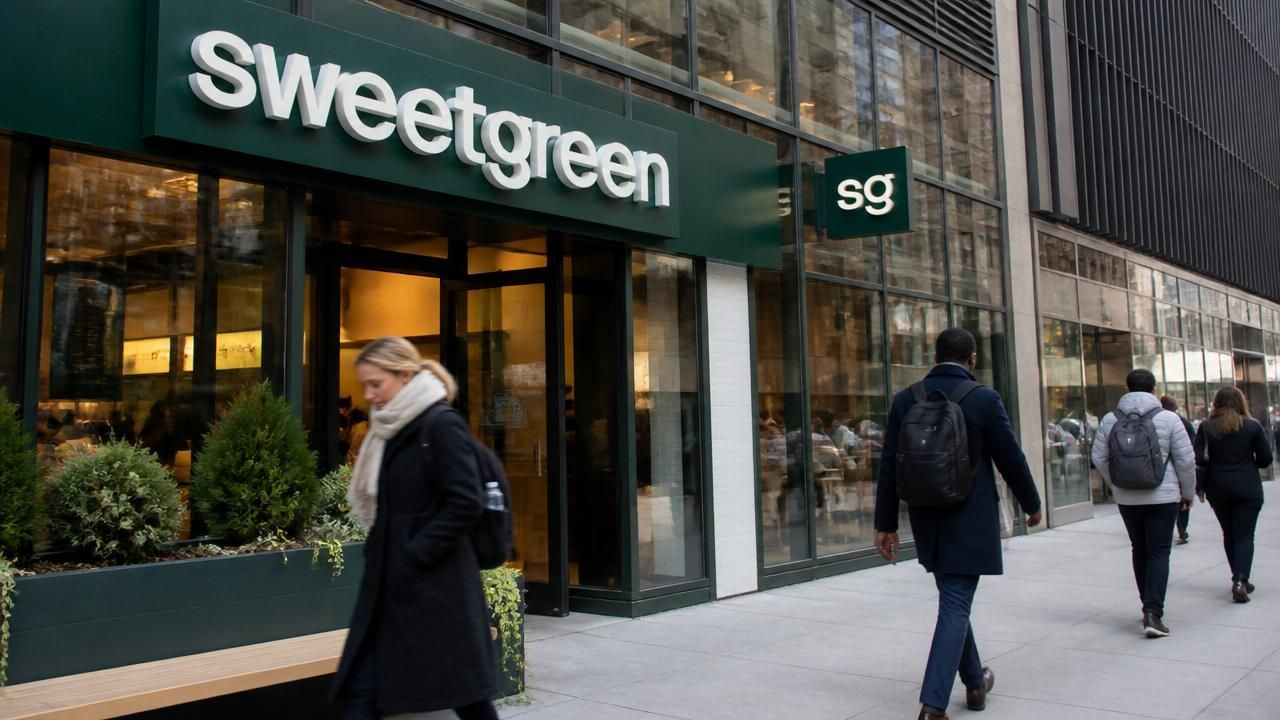
Sweetgreen Inc., the fast-casual salad chain beloved by health-conscious consumers, has seen its stock price tumble more than 25% in four days, hitting a three-month low as investors flee amid a widespread outbreak of cyclosporiasis—a parasitic intestinal infection linked to contaminated raw produce. The outbreak, which has sickened thousands across the United States, has not only rattled public health officials but also sent shockwaves through the financial markets, erasing all of Sweetgreen's gains for the year.
What Is Cyclosporiasis?
Cyclosporiasis is an intestinal infection caused by the microscopic parasite Cyclospora cayetanensis. Symptoms include watery diarrhea, stomach cramps, nausea, and fatigue, often lasting weeks if untreated. The parasite is typically transmitted through contaminated food or water, with outbreaks frequently traced to imported fresh produce such as cilantro, raspberries, and mixed salad greens. According to the Centers for Disease Control and Prevention (CDC), cases have been reported in multiple states, with the current outbreak concentrated in the Northeast and Midwest.
Market Reaction: A Steep Decline
Sweetgreen's shares (NYSE: SG) closed at $12.45 on Wednesday, down from $16.80 just four days earlier. The sell-off wiped out approximately $200 million in market capitalization. Analysts attribute the panic to investor fears that the outbreak could severely impact Sweetgreen's sales, as the chain's menu relies heavily on raw, uncooked vegetables. “This is a worst-case scenario for a brand built on fresh, healthy ingredients,” said financial analyst Mark Thompson of Morningstar. “The perception of risk alone can drive customers away, even if the company's supply chain is not directly implicated.”
The decline comes despite Sweetgreen's efforts to assure customers of its food safety protocols. In a statement, the company said it is “closely monitoring the situation and working with suppliers to ensure all produce meets rigorous safety standards.” However, investors remain unconvinced, with trading volume spiking to triple the average over the past week.
Public Health Impact and Consumer Behavior
In New York City, the epicenter of the outbreak, residents are growing squeamish about their salad lunches. According to a report in The New York Times, many office workers have switched to cooked meals or packed lunches from home. “I used to get a salad from Sweetgreen at least three times a week,” said Sarah Jenkins, a marketing executive in Midtown. “Now I’m terrified of raw vegetables. I’ll stick to soup until this blows over.”
USA Today reports that health experts warn the outbreak could linger for weeks, given the parasite's incubation period of up to 14 days and the difficulty of tracing contaminated produce through complex supply chains. Dr. Anthony Fauci, former director of the National Institute of Allergy and Infectious Diseases, noted in an interview, “Cyclospora is notoriously hard to detect because it doesn't spoil food or change its appearance. Prevention requires rigorous testing at the source.”
Sweetgreen's Vulnerable Business Model
Sweetgreen's reliance on raw, fresh ingredients has long been a double-edged sword. While the brand has cultivated a loyal following among health-conscious millennials and Gen Z, it is uniquely exposed to foodborne illness outbreaks. Unlike fast-food chains that cook most items, Sweetgreen's core menu—salads, grain bowls, and wraps—features uncooked vegetables that cannot be heat-treated to kill pathogens.
The company has invested heavily in supply chain transparency, including blockchain tracking and partnerships with local farms. Yet the current outbreak highlights the limitations of these measures. “No amount of tracking can prevent contamination if the source is compromised,” said food safety expert Dr. Linda Harris of the University of California, Davis. “The real challenge is that imported produce often comes from regions where Cyclospora is endemic.”
Broader Implications for the Restaurant Industry
The Sweetgreen sell-off could signal broader investor anxiety about fast-casual chains that emphasize raw produce. Competitors like Chipotle Mexican Grill, which suffered a series of foodborne illness outbreaks between 2015 and 2018, saw its stock drop by more than 40% at the height of the crisis and took years to recover. Analysts warn that Sweetgreen may face a similar trajectory if the outbreak is traced to its supply chain.
However, some experts argue that the market reaction may be overblown. “Sweetgreen has not been directly implicated in the outbreak,” said Bloomberg Markets correspondent Emily Chang. “The sell-off appears driven by fear rather than facts. If the source is identified as a different supplier, the stock could rebound quickly.”
Looking Ahead
As the CDC and FDA continue their investigation, Sweetgreen is reportedly conducting its own internal audits and halting shipments from certain suppliers. The company has also launched a customer communication campaign, including in-store signage and social media posts, to reassure diners. But with the outbreak still spreading and no clear end in sight, the road to recovery may be long.
For now, the story of Sweetgreen's stock plunge is a cautionary tale of how a public health crisis can rapidly reshape markets, consumer behavior, and corporate fortunes. As one Wall Street trader put it, “When people are afraid of salad, nobody wants to own the salad stock.”