The United Kingdom has unveiled its most drastic foreign aid cuts in decades, with some African countries facing reductions of up to 90% in bilateral support, according to Foreign Office figures released this week. The cuts, part of Prime Minister Keir Starmer's plan to reduce the aid budget from 0.5% to 0.3% of gross national income (GNI) by 2027/28, have triggered a firestorm of criticism from charities, global health experts, and even the resignation of International Development Minister Anneliese Dodds.
The Scale of the Cuts
Foreign Office data shows that the UK's bilateral aid to Africa will drop by approximately £900 million by 2028, with nine countries seeing cuts of more than 80%. The Guardian reports that some of the world's poorest nations will lose UK aid entirely due to the 56% budget reduction. According to the House of Commons Library, total UK aid spending fell from 0.7% of GNI in 2019 to 0.5% in 2021, and is now set to drop further to 0.3%—a level not seen since the early 2000s.
“This will cost lives,” said a coalition of international development groups, calling the cuts a “betrayal” of the UK's global commitments.
The Independent described the move as a “moral catastrophe,” noting that even HIV funding—previously ring-fenced—is not fully protected. Health Policy Watch highlighted that fragile African health systems will be hit hardest, with programmes for maternal health, malaria, and tuberculosis facing severe reductions.
Which Countries Are Affected?
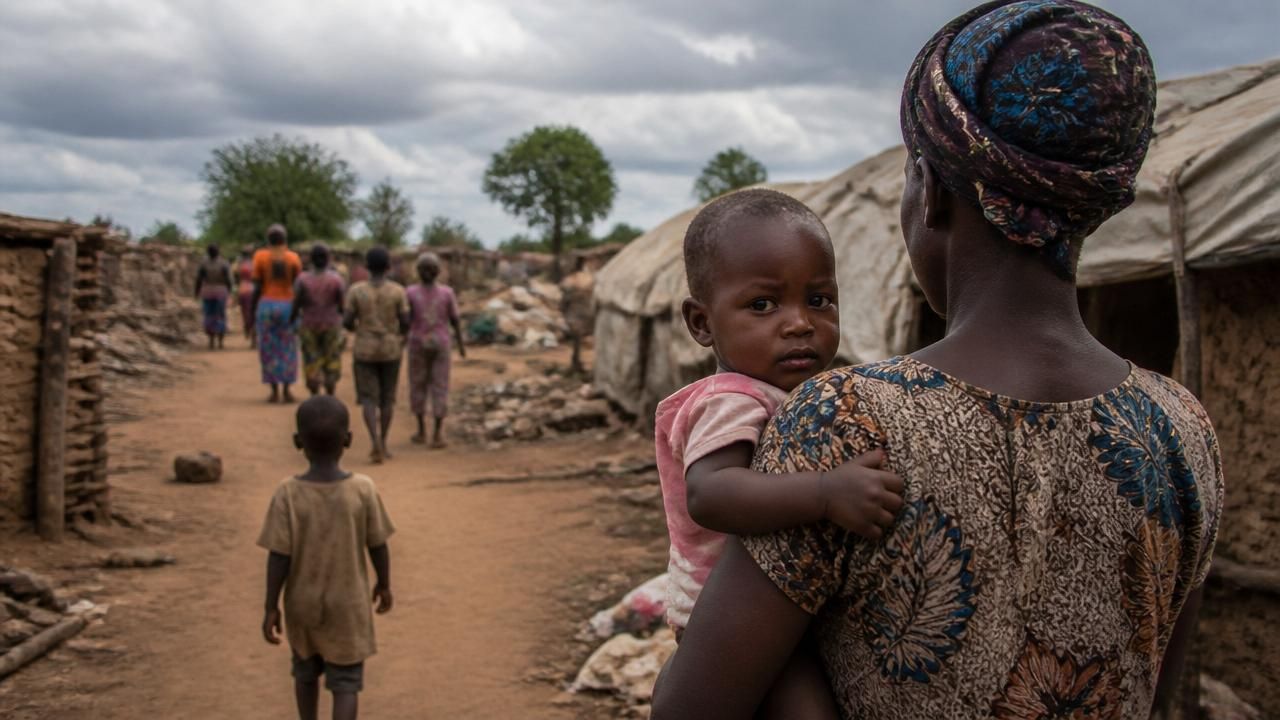
Countries such as Ethiopia, Somalia, and South Sudan—already grappling with conflict and climate shocks—are among the hardest hit. The BBC reports that the UK will now prioritise conflict-affected nations, but even those will see reduced funding. Reuters confirmed that the UK is focusing its reduced budget on countries like Ukraine and Afghanistan, while cutting support for many African nations. The Telegraph estimated that bilateral aid to Africa will fall by £900 million by 2028.
- Nine African countries face cuts of over 80%.
- Some countries, including Rwanda, have had aid suspended entirely over political disputes.
- Funding for gender equality projects may also be scrapped, despite a previous pledge to spend 80% of aid on such initiatives.
Why the Cuts?
The government argues that the cuts are necessary to free up resources for defence and domestic priorities. In a statement, the Foreign, Commonwealth & Development Office (FCDO) said the modernised aid budget will focus on “impact, value for money, and transparency.” The move comes amid a broader Western retreat from foreign aid, as noted by Chatham House, which pointed to the closure of USAID and similar reductions by other donors.
However, critics contend that the decision is shortsighted. The Guardian editorialised that “Britain championed development funding – its meanness is shortsighted,” while the Vatican News framed the cuts as a choice to prioritise “rearmament and defense” over humanitarian needs. The resignation of Anneliese Dodds, who had been a key figure in international development, underscored the internal divisions within the Labour government.
Historical Context
The UK was one of the few countries to meet the UN target of spending 0.7% of GNI on aid, a commitment enshrined in law in 2015. That law was broken in 2021 when the Conservative government cut the budget to 0.5%. Now, Labour is going further. The House of Lords Library notes that since 2020, the UK has reduced aid spending by over £5 billion, with the latest cuts representing a further £4 billion reduction by 2028.
“This is a retreat from global leadership,” said a spokesperson for the ONE Campaign, echoing sentiments from multiple NGOs. “The UK is sending a message that it no longer stands with the world's poorest.”
Reactions and Fallout
Charities have been swift to condemn the cuts. The Independent reported that wildlife charities fear for key conservation programmes, while the BMJ warned that global health systems are at risk. The Standard quoted campaigners warning of “damage” to the UK's reputation and to vulnerable communities. The resignation of Dodds, who called the decision “wrong,” has added to the political fallout.
Internationally, the cuts have been met with concern. The Voice of Africa noted “global concern” over the impact on the continent, while Africa Confidential described “jumbled signals” from Western broadcasters. The Brookings Institution drew parallels with past donor exits, suggesting that the UK's departure could create a vacuum that other powers, such as China, may fill.
What Does This Mean for the Future?
With the UK's aid budget set to fall to its lowest level in decades, the implications are profound. The Centre for Global Development (CGD) has called for a “reset” of UK international development, urging the government to focus on government-led health services and to apply three tests to ensure impact. However, as CGD also noted, the cuts come at a time when multiple donors are reducing budgets, compounding the crisis for recipient countries.
The government insists that the remaining £6 billion in aid will be spent more effectively. But as the Guardian's analysis shows, the money will increasingly go to conflict zones and UK overseas territories, rather than to the poorest nations in sub-Saharan Africa. The decision to suspend aid to Rwanda over its support for DRC rebels further illustrates the politicisation of aid.
As the world watches, the UK's retreat from its aid commitments raises a fundamental question: in an era of polycrisis—climate change, pandemics, conflict—can any nation afford to turn its back on global development?