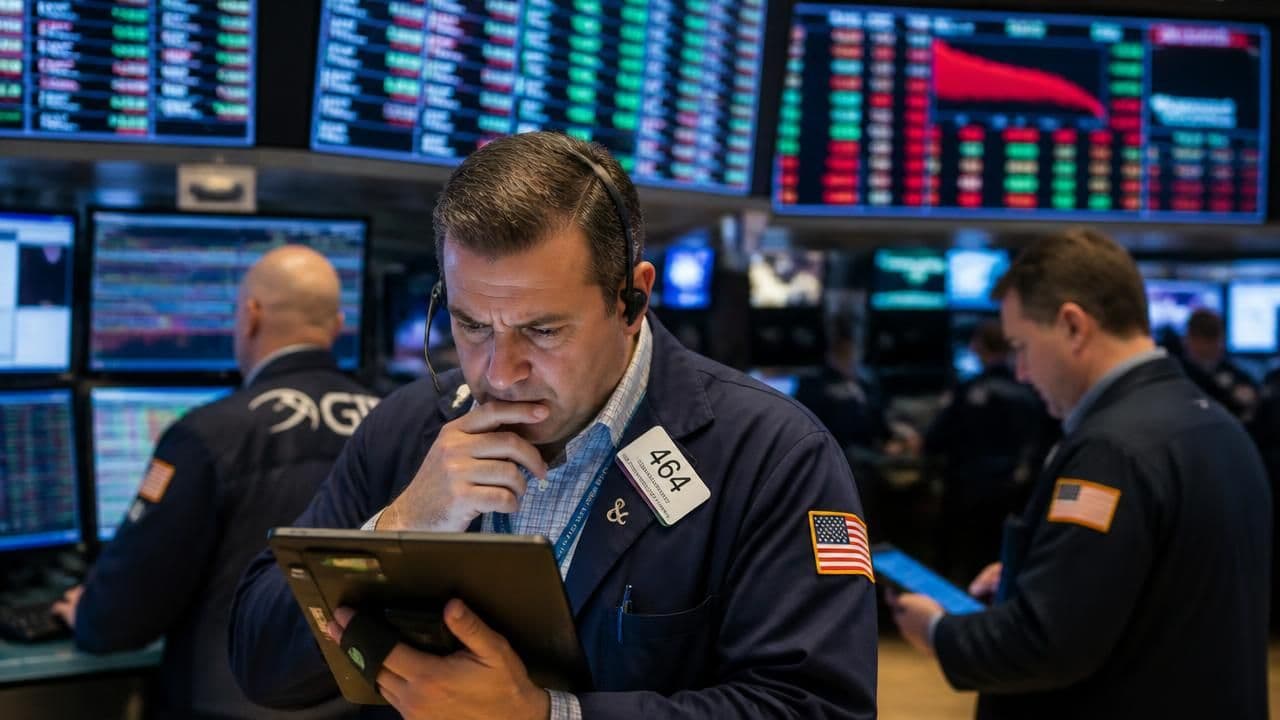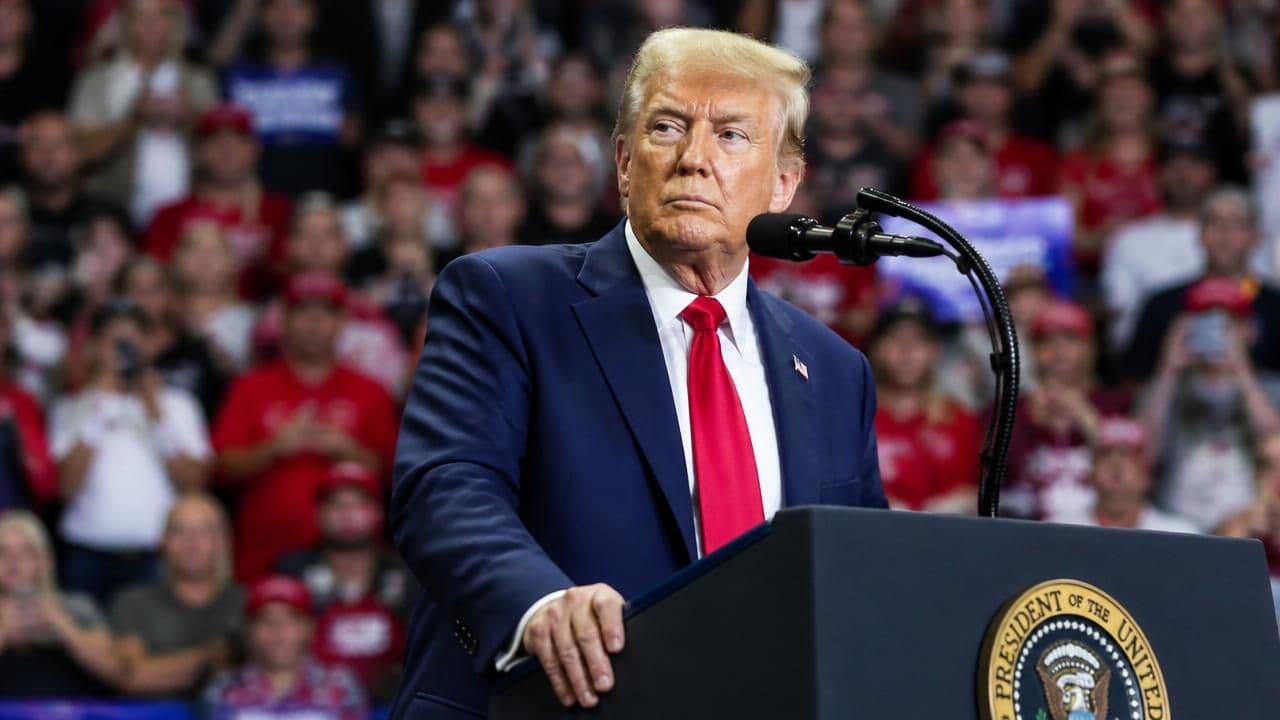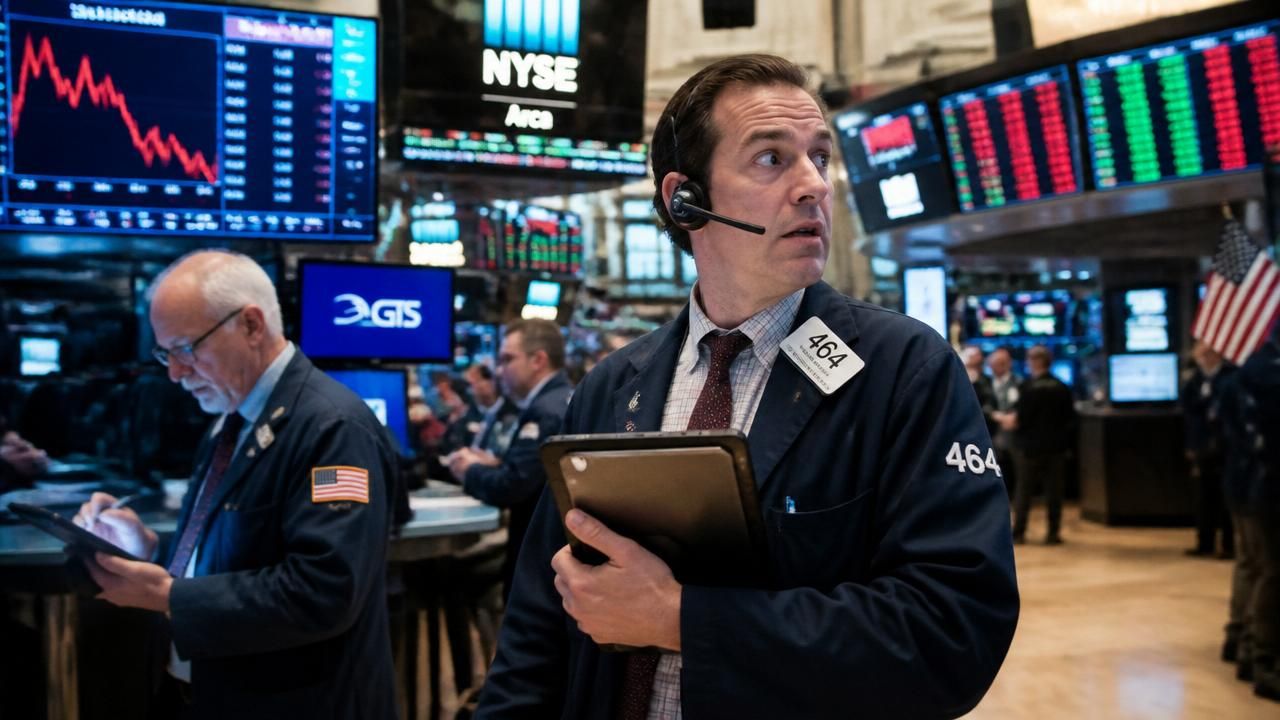
Global financial markets experienced a day of extreme volatility on Friday, as conflicting signals on U.S.-Iran tensions and shifting expectations for Federal Reserve policy sent investors on a roller-coaster ride. Major indices in the United States and Europe swung from steep losses to modest gains, while crude oil prices tumbled more than 4% after President Donald Trump reversed a threat to strike Iran.
U.S. Markets: A Dramatic Reversal
Wall Street staged a remarkable comeback in the final hour of trading, with the Dow Jones Industrial Average surging over 550 points and the S&P 500 and Nasdaq Composite also closing sharply higher. According to Yahoo Finance, the rally was fueled by President Trump's decision to back off from threats to impose tariffs on Greenland, a move that had rattled markets earlier in the week. However, Reuters noted that despite the day's gains, all three major indexes ended the week in negative territory, as ongoing geopolitical uncertainties weighed on investor sentiment.
The Wall Street Journal described the session as part of a 'rocky stretch' for U.S. stocks, with sharp declines earlier in the day before the late-day bounce. WBUR reported that 'selloffs swept through global markets,' highlighting the interconnected nature of the turmoil. The Nasdaq, in particular, saw significant swings, with Financial Times noting that '2026 high-flyers' pulled back, contributing to the index's intraday volatility.
Fed Rate Cut Bets Drive Recovery
Market participants increasingly priced in the likelihood of a Federal Reserve rate cut at the next meeting, a factor that Reuters cited as a key driver of the afternoon recovery. 'The market is betting that the Fed will step in to cushion any economic fallout from geopolitical shocks,' said a senior strategist at a major investment bank. This sentiment helped lift financial and technology stocks, which had been under pressure earlier in the session.
European Markets: Modest Gains Amid Caution
European stocks managed to eke out small gains after a day of volatile trading, as reported by Bloomberg Markets. The Stoxx Europe 600 index rose 0.2%, recovering from earlier losses. However, individual stock movements were mixed, with ABB Ltd. falling 5.9% after announcing a deal to acquire British industrial components maker Rotork Plc. Investors expressed concerns about the valuation and strategic fit of the acquisition.
In Canada, the S&P/TSX composite index posted gains at the start of the year, according to westerninvestor.com, though U.S. markets showed mixed results. The Canadian market benefited from strength in energy and materials sectors, which offset weakness in technology.
Oil Prices Plunge on Trump's Iran Reversal
Crude oil prices experienced a sharp decline, with West Texas Intermediate (WTI) crude falling over 4% to below $70 per barrel. The drop came after President Trump reversed his earlier threat to strike Iran, a move that had previously sent oil prices soaring. The New York Times reported that oil prices dropped as Trump backed away from military action, easing fears of a supply disruption in the Middle East.
Share Talk provided a detailed analysis of the intersection between commodities and geopolitical risk, noting that a potential U.S. strike on Iran could have had far-reaching implications for global markets. 'When commodities meet war, volatility is the only certainty,' the article stated, emphasizing the potential for oil prices to spike above $100 per barrel in the event of a conflict. The reversal of the threat, however, led to a rapid unwinding of those risk premiums.
Geopolitical Context: Greenland Tariffs and Iran Tensions
The day's market movements were heavily influenced by two geopolitical flashpoints: the U.S.-Iran standoff and President Trump's tariff threats against Greenland. According to Yahoo Finance, Trump's decision to back off from Greenland tariff threats provided a significant boost to investor confidence. The move came after days of escalating rhetoric, which had raised fears of a trade war with the autonomous Danish territory.
Meanwhile, contradictory statements from U.S. and Iranian officials added to the confusion. Futunn reported that 'contradictory statements from the U.S. and Iran led to volatile trading,' with investors struggling to assess the true risk of military conflict. The Financial Times noted that the Nasdaq's slip was partly attributed to profit-taking in high-growth stocks that had rallied earlier in the year.
Market Breadth and Sector Performance
Despite the overall gains, market breadth was mixed. The Dow's surge was led by financial and industrial stocks, while technology stocks remained under pressure. The S&P 500's advance was broad-based, with eight of the 11 sectors closing higher. Energy stocks, however, were the worst performers, dragged down by the sharp drop in oil prices.
Space-related stocks extended their recent gains, with AST SpaceMobile (ASTS) and Redwire both rising over 8%, while Rocket Lab (RKLB) gained nearly 5%, according to Futunn. These stocks have been benefiting from increased investor interest in the space sector, driven by recent government contracts and technological advancements.
Outlook: Uncertainty Persists
Looking ahead, analysts remain cautious. 'The market is still grappling with multiple uncertainties, from trade policy to geopolitical risks,' said a portfolio manager at a New York-based asset management firm. 'While the Fed rate cut hopes provide some support, the underlying volatility suggests that investors should brace for more turbulence.'
The Wall Street Journal echoed this sentiment, warning that the 'rocky stretch' for U.S. stocks may not be over. With earnings season approaching and the Federal Reserve's next meeting in focus, markets are likely to remain sensitive to any shifts in the geopolitical landscape or monetary policy expectations.
In summary, Friday's trading session was a stark reminder of how quickly market sentiment can change. From the depths of a selloff to a late-day rally, investors navigated a minefield of geopolitical headlines and policy signals. While the day ended on a positive note, the week's losses underscore the fragile nature of the current market environment.