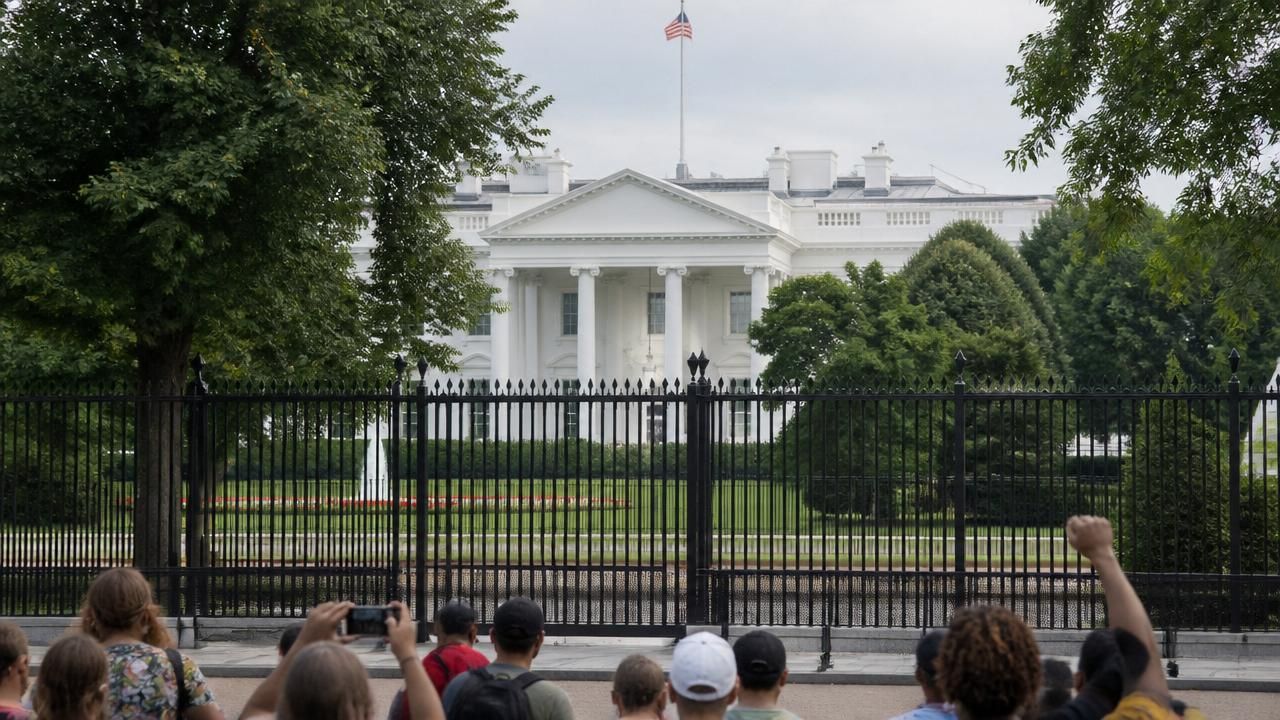
The Trump administration is moving forward with plans to install permanent fencing around Lafayette Park, the iconic green space directly across from the White House that has served as a historic venue for protests and public gatherings. The proposal, reported by multiple outlets including NPR and CBS News, would replace temporary barriers erected during the 2020 racial justice protests with a more permanent structure, effectively sealing off the park from Pennsylvania Avenue and further isolating the White House from the public.
Who, What, When, Where, Why
The plan, confirmed by the U.S. Commission of Fine Arts, calls for permanent fencing along the perimeter of Lafayette Park, which has been a focal point for demonstrators for generations. According to NPR, the administration argues the move is necessary for security, citing the need to protect the White House and its occupants. However, critics, including the ACLU, see it as a direct attempt to stifle dissent. "The Trump administration seeks to stifle protests near the White House and on the National Mall," the ACLU said in a statement, echoing concerns from activists who view the park as a public square essential to democratic expression.
The timeline for the project remains unclear, but the Washington Times and other sources indicate that the administration has already begun discussions with federal agencies. The fencing would extend along Pennsylvania Avenue, a route traditionally open to pedestrians and a symbol of presidential accessibility. CBS News noted that the plan could also affect adjacent areas, further limiting public access to the White House grounds.
Historical Context: From Public Square to Fortress
Lafayette Park has long been a symbolic stage for American protest. From the suffragettes to the civil rights movement and modern-day Black Lives Matter marches, the park has hosted countless demonstrations. However, the relationship between the White House and the public has grown increasingly distant over the decades. The Guardian reported that locals and visitors alike feel bewildered by the "makeover frenzy" that has turned the area into what one resident described as "a veritable fortress." The park was completely fenced off for 11 months following the protests in June 2020, reopening only briefly before the current proposal emerged.
DCist traced the evolution of the White House's security measures, noting that the shift from an open "people's house" to a heavily fortified compound accelerated after the 9/11 attacks. The addition of permanent fencing would be the latest in a series of barriers that include bollards, concrete planters, and temporary metal fences. "It's like we're under occupation," one local told The Guardian, reflecting a sentiment shared by many who see the changes as eroding the character of the nation's capital.
Differing Perspectives: Security vs. Access
The administration frames the proposal as a necessary security upgrade. Supporters argue that the White House, as the home of the president and a potential target for attacks, requires robust protection. The Washington Times, while reporting the plan, noted that similar measures have been implemented at other government buildings. However, opponents counter that the fencing is disproportionate and politically motivated. The New York Times, in a separate report, highlighted a no-bid contract awarded to a firm building a ballroom for President Trump, raising questions about potential conflicts of interest.
Civil liberties groups have been particularly vocal. The ACLU warned that the fencing could "chill free speech" by making it harder for protesters to gather. Meanwhile, Politico reported on the impact on Washington's LGBTQ+ community, which has historically used Lafayette Park for Pride events and demonstrations. "They want to shut it all down," one activist told Politico, capturing the fear that the park's role as a public forum is under threat.
Reactions and Implications
The proposal has drawn sharp reactions from lawmakers, activists, and residents. Some argue that the fencing would not only limit protest but also disrupt the daily lives of Washingtonians who use the park for recreation. NBC News noted that visitors were briefly able to get close to the White House North Lawn after barricades were removed, only to face the prospect of new permanent barriers. The contrast between temporary openness and permanent closure underscores the contentious nature of the debate.
Historically, Lafayette Park has been a barometer of presidential openness. The New York Times, in a reflective piece, quoted President Trump discussing his legacy on Fox & Friends, suggesting a desire to leave a mark on the capital. But for many, that mark is one of division. "I want to try and get to heaven," Trump said, but critics argue that the fencing policy is more about earthly control than celestial aspirations.
What Comes Next?
The plan is still in its early stages and could face legal challenges. The ACLU has already signaled its intent to fight the fencing, and public hearings are expected. The Commission of Fine Arts will review the design, but the final decision rests with the National Park Service and the Department of the Interior. As the debate unfolds, Lafayette Park remains a symbol of the tension between security and freedom—a tension that has defined the White House's relationship with the public for decades.
In the meantime, activists are organizing to oppose the fencing, viewing it as a test of the First Amendment. Whether the barriers go up or not, the controversy highlights a broader question: in an era of heightened security, how do we preserve the public spaces that are essential to democracy?