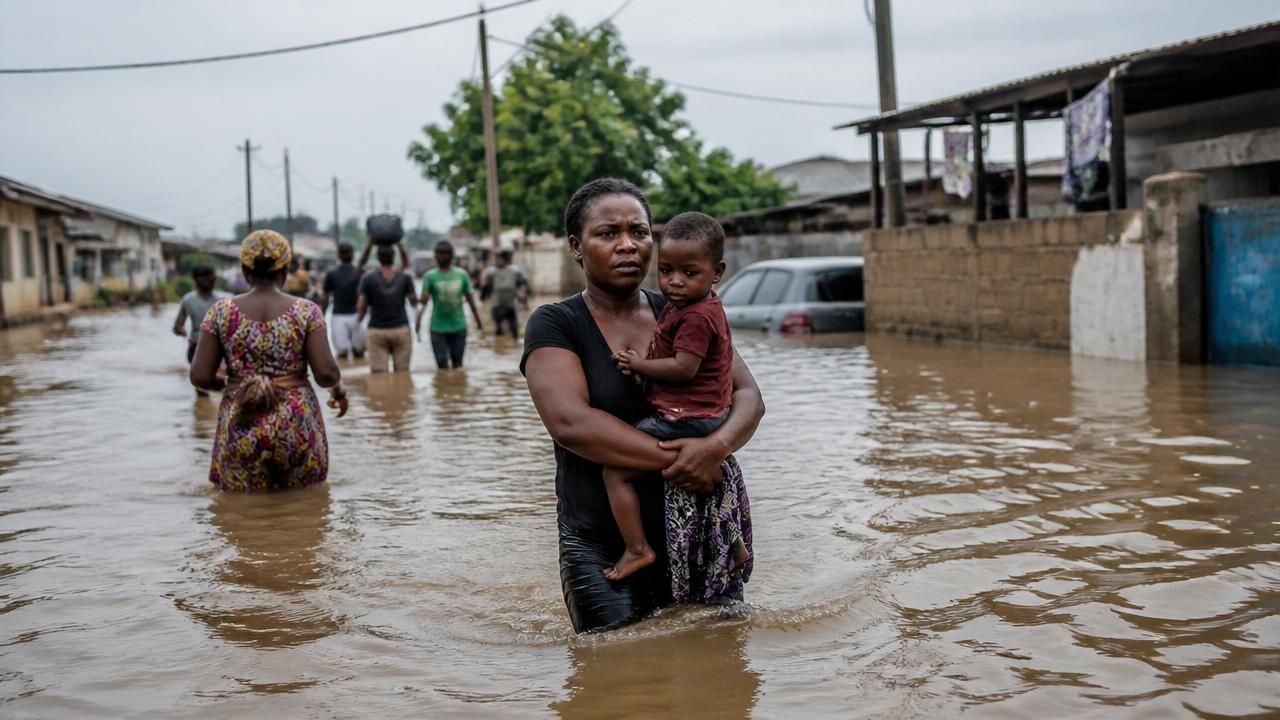
Last month, devastating floods swept across the coasts of West Africa, killing dozens, injuring hundreds, and displacing thousands. Now, a new analysis by climate scientists has concluded that global heating supercharged the rains, turning what would have been a routine seasonal weather event into a full-blown climate catastrophe. The findings, reported by The Guardian and other outlets, underscore the urgent need for adaptation and emissions reductions as the planet warms.
The Disaster in Numbers
The floods struck several West African nations, including Nigeria, Ghana, and Ivory Coast. Eyewitness accounts describe entire neighborhoods submerged, with residents scrambling to rooftops for safety. Humanitarian agencies report that hundreds of people required rescue, while thousands more have been forced from their homes. The death toll has risen to dozens, with fears that more bodies may be recovered as waters recede.
According to scientists from the World Weather Attribution (WWA) network, the rainfall that triggered the floods was made significantly more intense and likely more frequent due to human-caused climate change. Dr. Friederike Otto, a climate scientist at Imperial College London and co-lead of the WWA, stated:
“What we are seeing in West Africa is a frightening new normal. The rains that used to be manageable are now deadly because of the extra energy and moisture that global heating pumps into the atmosphere.”
Global Context: A World on Fire and Under Water
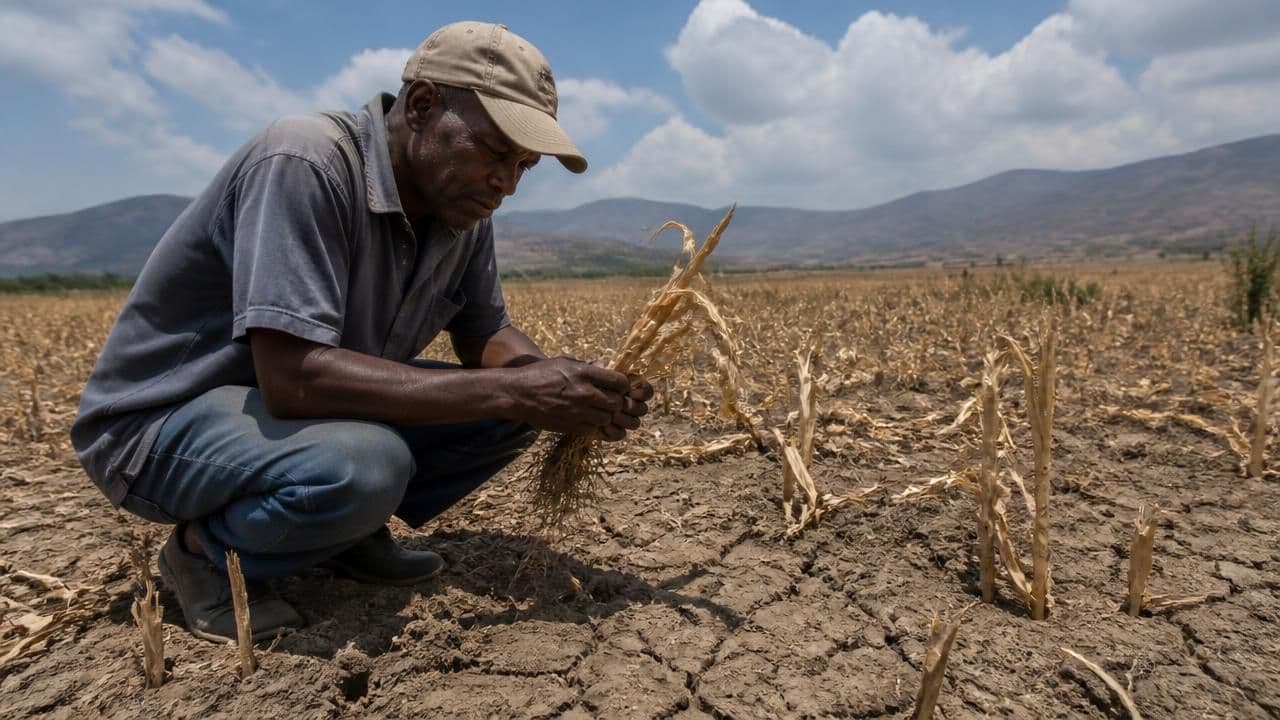
The West Africa floods are not an isolated incident. A separate report from The Guardian revealed that the climate crisis is “wreaking havoc” on Earth’s water cycle, leading to both extreme droughts and catastrophic floods around the globe. The report, based on data from the Global Water Monitor, found that 2023 saw record-breaking floods in Libya, the Horn of Africa, and parts of South America, while severe droughts parched the Amazon and the Mediterranean.
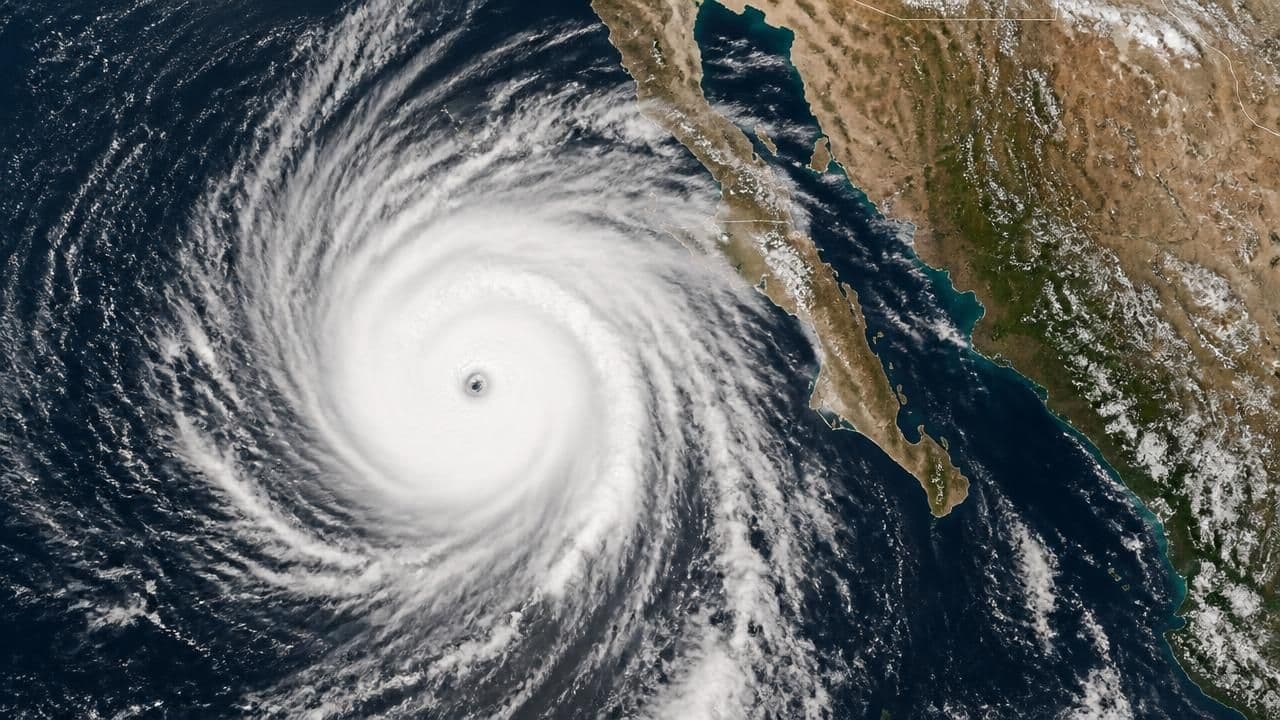
Meanwhile, in Madagascar, Cyclone Gezani – also likely intensified by warmer ocean waters – killed dozens and displaced thousands, according to RFI. The cyclone struck the island nation just weeks after the West Africa floods, compounding the region’s vulnerability to extreme weather.
The Scientific Consensus
The link between climate change and extreme rainfall is well established. A warmer atmosphere can hold more moisture – about 7% more for every degree Celsius of warming – leading to heavier downpours. In West Africa, sea surface temperatures have risen significantly, providing more energy for storms and rainfall systems.
Dr. Emmanuel Raju, a disaster researcher at the University of Copenhagen, noted:
“The floods in West Africa are a clear example of how climate change is amplifying natural hazards. But it’s also about vulnerability – poverty, poor infrastructure, and lack of early warning systems turn a weather event into a disaster.”
Human and Economic Toll
Beyond the immediate loss of life, the floods have destroyed crops, washed away roads, and contaminated water supplies, raising the risk of disease outbreaks. The United Nations estimates that tens of millions of people in the region are already food insecure, and the floods will only worsen the situation.
Local authorities have struggled to respond. In Nigeria, the National Emergency Management Agency (NEMA) deployed rescue teams, but many areas remain inaccessible. “We are overwhelmed,” a NEMA official told local media. “The scale of this disaster is beyond what we have prepared for.”
Divergent Perspectives: Adaptation vs. Mitigation
While all sources agree on the role of climate change, they emphasize different solutions. The Guardian’s coverage stresses the need for both adaptation – building flood defenses, improving early warnings – and rapid emissions reductions. NRDC’s article, though truncated, typically argues for stronger climate policies and renewable energy.
On the other hand, some local outlets in the region focus on the immediate humanitarian response, calling for international aid. The asatunews.co.id report, for instance, highlights the struggle of communities to cope without adequate support.
There is also a tension between short-term adaptation and long-term mitigation. As Dr. Otto put it:
“We cannot adapt our way out of this. Every fraction of a degree of warming makes extreme events worse. The only way to stop the worsening is to cut emissions.”
Historical Context: A Region on the Frontline
West Africa has long been vulnerable to flooding, but the frequency and intensity of extreme events have increased markedly in recent decades. The 2022 floods in Nigeria killed over 600 people and displaced 1.4 million. This year’s disaster appears to be following a similar pattern.
The region is also a hotspot for climate impacts, despite contributing little to global emissions. According to the IPCC, West Africa is expected to experience more intense rainfall and longer dry spells, making it a “climate change hotspot.”
What’s Next?
As the waters recede, the focus will shift to recovery and rebuilding. But with the next rainy season just months away, experts warn that without significant investment in resilience, the cycle of disaster will continue.
Meanwhile, the world’s attention is also on other climate-related stories – from James Cameron joining an Amazon tribe’s fight against a dam, to the ongoing water cycle disruption – underscoring the global nature of the crisis.
The message from scientists is clear: adaptation is critical, but it is not enough. As the Guardian’s coverage concludes, “Reducing emissions further and faster is critical” to prevent a future where routine weather becomes a constant catastrophe.