For American shoppers, the Thanksgiving grocery run has become an annual exercise in sticker-shock arithmetic — and this year the math is unusually muddled. Depending on which headline you read, the holiday feast is either the most expensive it has been in years or a relative bargain. The truth, according to a patchwork of national surveys, regional reports and retailer data, is that the cost of the classic Thanksgiving table is rising again after several years of relief, but the experience varies dramatically by state, by store and by what, exactly, ends up in the cart.
The broadest signal came from the farm-and-retail surveys that circulate each November: the average cost of a traditional Thanksgiving dinner rose for the first time in four years, with turkey — the centerpiece — jumping roughly 10%. Milk prices climbed nearly 8%, and the once-ubiquitous supermarket "free turkey" promotion, a loss-leader that for decades subsidized the holiday for budget-conscious families, has largely disappeared from circulars.
"Why is Thanksgiving so expensive this year?" — the question framing Bloomberg's Everybody's Business episode with Deena Shanker and Max Chafkin, which traced the answer from the meat case to the dairy cooler.
The Turkey Problem
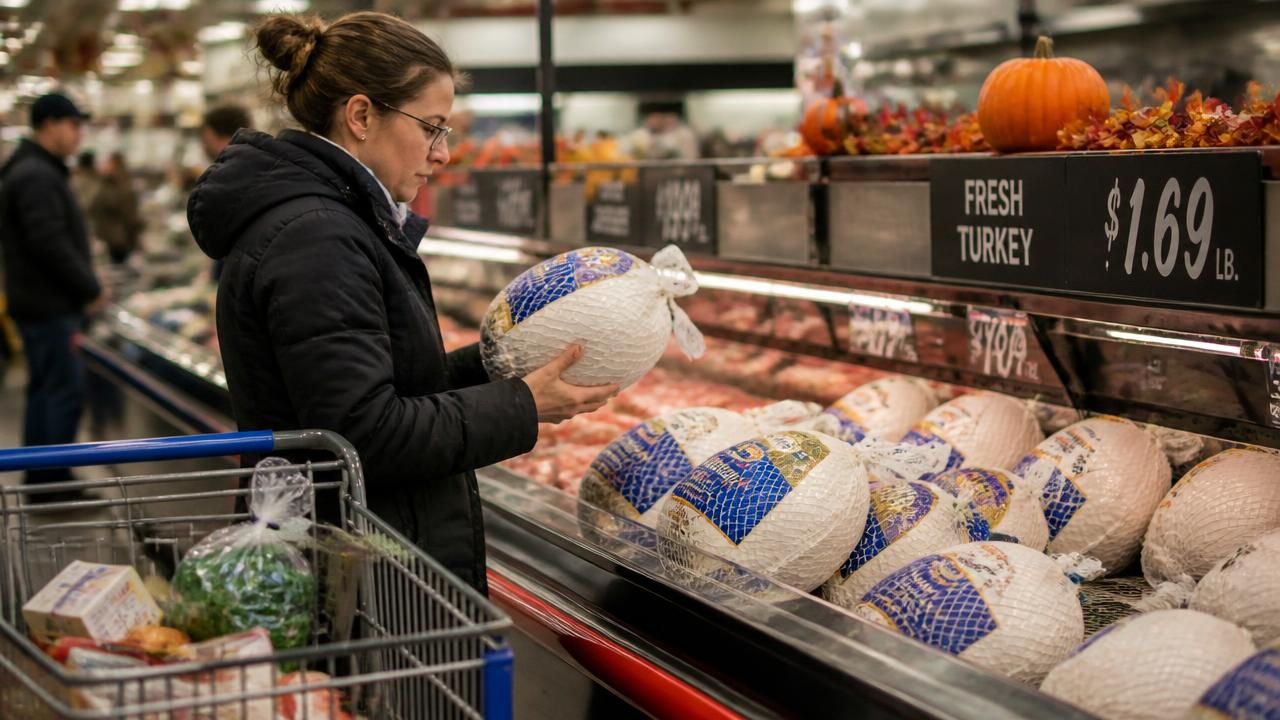
Turkeys carry outsized symbolic weight and a surprisingly fragile supply chain. Flocks have been thinned by outbreaks of avian influenza in recent seasons, and producers have been slow to rebuild herds, tightening supply just as demand spikes into a narrow November window. Regional reporting from North Carolina — a poultry powerhouse — highlighted how local turkey prices have climbed, while MSN's coverage noted that turkey, cranberries and sweet potatoes are all more expensive this Thanksgiving. Farmers themselves have warned that dinner will cost more, according to one widely syndicated report.
Yet the centerpiece's rising price "might not matter for your holiday feast," as one MSN analysis put it — a reminder that most households buy a bird large enough to feed a crowd and spread the cost across many plates, so a 10% swing on a $30 turkey translates to a few dollars per guest. The side dishes, butter, cream and eggs that surround it often move the total more than the bird itself.
Location, Location, Location
The sharpest divergence in this year's coverage is geographic. Hawaii is the most expensive state in the country in which to host Thanksgiving, a function of shipping costs and island supply chains. Wisconsin's meal cost rose for the first time in three years, according to local reporting. And in Indiana, prices actually fell this year, per WFIU — a data point that flatly contradicts the national narrative and illustrates how localized grocery pricing has become.
That split explains a rash of "it depends" headlines. Grocery inflation is no longer a single national wave; it is a mosaic of regional freight costs, local competition among chains, and which items a given basket includes. Walmart, Costco and regional chains price aggressively on loss-leaders to drive traffic, while independent grocers in rural areas have less room to absorb wholesale increases.
The Case for Optimism
Not every outlet is pessimistic. Forbes reported that turkey and cranberries will be cheaper this Thanksgiving, citing a report that emphasized year-over-year declines for specific items and heavier promotional activity on birds. Retailers have leaned into discounts to lure shoppers during one of the busiest grocery weekends of the year, and local consumer reporters — including those at WFAA — have emphasized that deals are available to shoppers willing to compare store brands, clip digital coupons, use loyalty apps or switch to frozen birds.
- Compare unit prices rather than package prices; store brands are often identical products.
- Buy frozen: frozen turkeys typically run well below fresh, and thawing takes only days.
- Stack promotions: digital coupons plus loyalty pricing plus store-brand substitution.
- Shop early: the deepest turkey discounts land in the week before Thanksgiving, not on the day itself.
Gas Down, Traffic Up
There is one unambiguous piece of good news for households hitting the road: gas prices are lower this Thanksgiving than last, easing the cost of the journey even as the destination meal costs more. But AAA has warned of heavy traffic and higher overall travel costs, with airfares, hotel rates and rental cars all elevated. The net effect: a holiday where the fuel is cheaper but everything it carries you toward is not.
How the Story Got Told
The fragmented coverage is itself instructive. Wire services and national business outlets reported a clear directional shift — costs up, turkey up 10%, first rise in four years — while local affiliates reported the opposite in their own markets, and at least one national outlet led with relief. Aggregators amplified all of it simultaneously, producing the impression of a contradiction where there is mostly variation. Some of the divergence also reflects methodology: a standardized basket of a 16-pound turkey, stuffing, sweet potatoes, rolls, peas, cranberries, a vegetable tray, pumpkin pie and whipped cream measures a different thing than a family's actual, sprawling, guest-inflated feast.
Why It Matters
Thanksgiving pricing has become an unofficial inflation gauge for the American kitchen — a single meal that concentrates the year's movements in protein, dairy, produce and fuel into one receipt. For households still absorbing two years of elevated grocery bills, a return to rising costs after several years of moderation is a psychological setback, even if the absolute increase is measured in single-digit dollars per guest. For food companies and retailers, the message is that value-seeking behavior is now structural: shoppers will switch brands, trade fresh for frozen and hunt coupons in ways they did not before 2020.
The practical takeaway is less dramatic than the headlines. The national trend points modestly upward, the local reality depends heavily on where you live, and the deals have not vanished — they have simply moved from the front page of the circular to the back of the app.