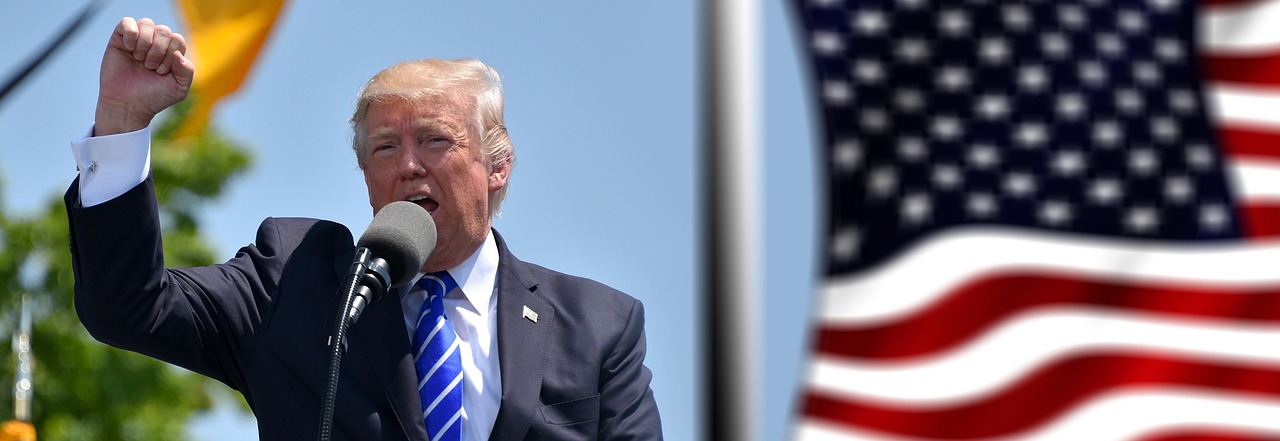
President Donald Trump’s administration is preparing a fresh tariff offensive against major US trading partners—China, the European Union, Mexico and Japan—setting up a new test for global commerce and for the fragile truce that has kept Washington and Beijing from a full-scale trade war. The move, described in multiple reports as a tariff blitz and a new round of hikes, is expected to culminate in the administration’s “Liberation Day” announcement on April 2, when reciprocal tariffs and other measures are set to be unveiled.
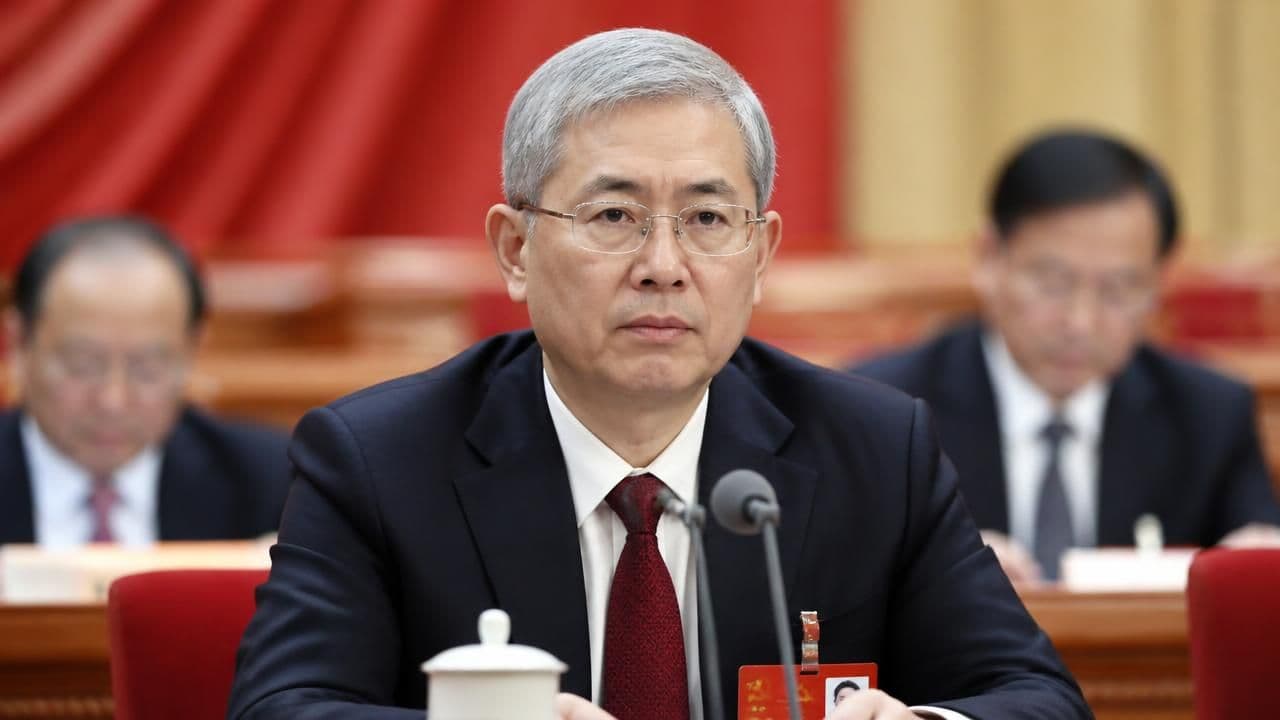
China responded sharply, calling the prospect of new US tariffs “political maneuvering” and urging both sides to work together to maintain their trade truce. Beijing’s reaction, reported by Bloomberg, signals that the world’s second-largest economy is trying to avoid an immediate escalation while pushing back on what it sees as a politically driven US campaign.
Beijing dismissed the new tariff threats as “political maneuvering” and said the two nations should work together to maintain their trade truce.
China in the crosshairs
While the administration’s plans reportedly span several economies, China is widely expected to absorb the hardest blow. The Wall Street Journal, in reporting carried by MSN, said Trump is bringing tariffs back and that China will likely get hit hardest. That framing reflects the central role Beijing plays in US trade policy: it is the largest source of US goods imports, a strategic rival in technology and manufacturing, and the counterparty to the interim trade truce that both sides have an interest in preserving.
The scope of the reported blitz is unusually broad. According to MSN reports, Trump is eyeing tariffs on China, the EU, Mexico and Japan, while the administration is teeing up tariff hikes on the EU, China and others. The combination would touch America’s biggest economic partners and complicate supply chains that were already adjusting to years of tariff tensions.
“Liberation Day” and sectoral risks
The planned April 2 rollout has been billed by supporters as “Liberation Day,” a moment to reset what the administration describes as unbalanced trade relationships. But the practical effects are likely to be felt across industries. Business Standard’s live coverage of the “Liberation Day” tariffs cited experts warning that agriculture, machinery and pharmaceuticals could be among the sectors affected.
Those warnings matter because tariffs are rarely contained to the products named in an announcement. They can raise input costs for manufacturers, invite retaliation against US farm exports, and disrupt regulatory and supply relationships in sensitive sectors such as pharmaceuticals. For companies already navigating inflation, higher borrowing costs and geopolitical uncertainty, a new tariff layer adds another planning risk.
Markets and political crosscurrents
The tariff headlines are landing against a fragile market backdrop. Bloomberg reported that a global selloff in technology stocks is showing no sign of letting up as questions pile up about the outlook for the artificial intelligence trade. While that selloff has its own drivers, tariff uncertainty compounds the mood by raising questions about global growth, corporate margins and the cost of doing business across borders.
In Washington, the politics are equally complicated. MSN reported that Democrats are gaining influence over the trade agenda, but that any tariff repeals would hit Trump’s veto wall. That means Congress may be able to shape the debate and amplify criticism, but it is unlikely to unwind the administration’s tariff architecture while Trump remains in office. The result is a familiar pattern: lawmakers jockey for position, businesses lobby for exemptions, and the White House retains the decisive lever.
The international response will be crucial. China’s call for cooperation suggests Beijing wants to keep the trade truce alive, at least for now. But if the new tariffs are broad and sustained, Beijing could face pressure to retaliate. The EU, Mexico and Japan—each with their own sensitivities and legal options—will also weigh whether to negotiate, retaliate or wait for the details to become clearer.
What to watch
- Scope and timing: Whether the April 2 announcement delivers across-the-board reciprocal tariffs or targeted hikes on China, the EU, Mexico and Japan.
- China’s response: Whether Beijing limits itself to rhetorical pushback or moves to retaliate against US exports.
- Sectoral fallout: How agriculture, machinery and pharmaceuticals are treated—and whether exemptions soften the blow.
- Congressional maneuvering: Whether Democrats can advance trade oversight or repeal efforts, knowing Trump’s veto likely stands in the way.
- Market reaction: Whether tariff uncertainty deepens the tech-led selloff or remains a separate pressure point.
For now, the story is one of escalation without full rupture. The Trump administration is signaling that tariffs are back at the center of its economic agenda. China is signaling that it would prefer cooperation to confrontation. And markets, industries and US lawmakers are bracing for the details—details that will determine whether “Liberation Day” becomes a negotiating lever or the start of a broader trade fight.