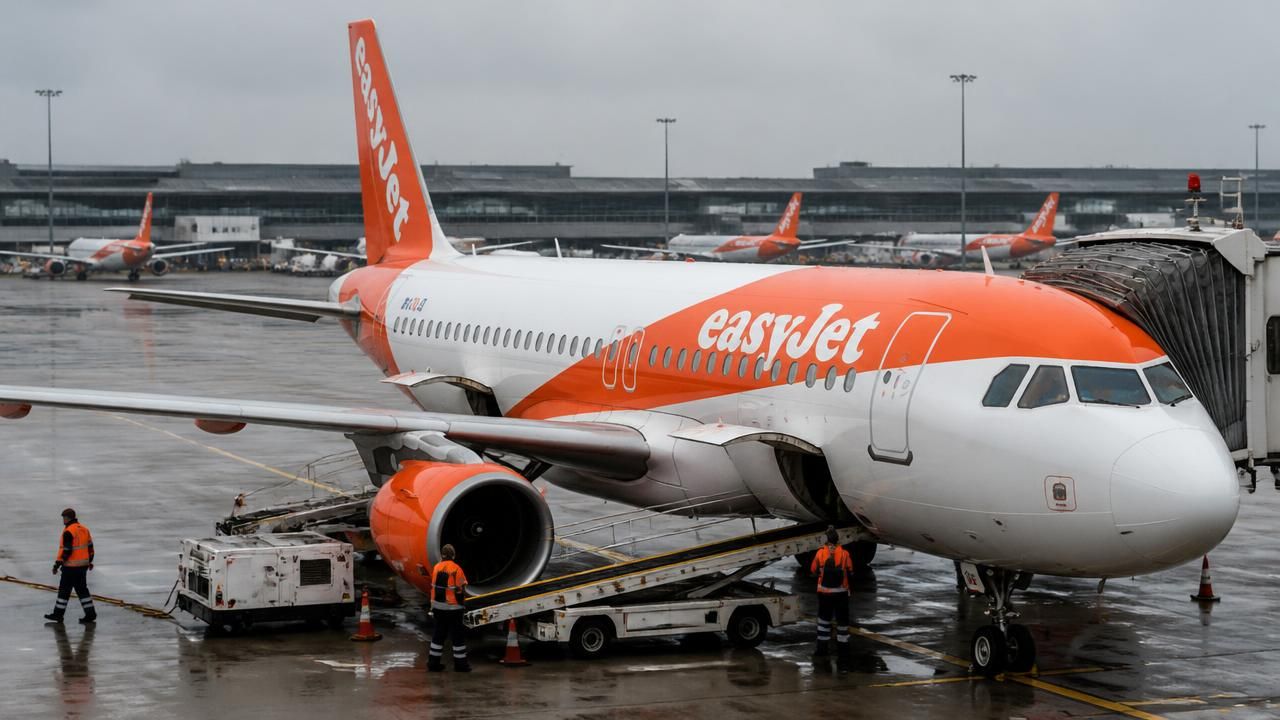
UK-listed budget carrier EasyJet Plc has said the fallout from war in the Middle East eroded most of its profit in the fiscal year, with soaring fuel prices hitting the airline just as it prepares for a £5.7 billion takeover by US private-equity firm Apollo. The profit disclosure, reported by Bloomberg Markets and previewed by MSN, lands at a delicate moment: shareholders have reportedly backed Apollo’s bid, while rival suitor Castlelake has until Friday to trump it, according to MSN.
Fuel, conflict and a thin-margin model
Bloomberg framed the result as an operational and geopolitical story. EasyJet, one of Europe’s best-known low-cost airlines, is particularly exposed to fuel-price swings because its model depends on high load factors and low fares. When energy markets tighten, as they did amid the Middle East war, fuel costs can consume a disproportionate share of revenue. The carrier said the conflict’s fallout eroded most of its fiscal-year profit, a blunt assessment that points to pressure beyond ordinary seasonal weakness.
The excerpt did not disclose the exact profit figure or the precise hit from fuel. But the language matters: “most of its profit” suggests a material erosion, not a marginal miss. For a budget carrier, that can mean less cash to service leases, fund fleet renewal and absorb disruption. It also gives both bidders a clearer picture of EasyJet’s near-term earnings power.
“The fallout from Middle East war eroded most of its profit in the fiscal year,” Bloomberg Markets reported, with “soaring fuel prices hitting the budget carrier as it prepares to be taken over by a US private equity firm early next year.”
A takeover battle with a Friday deadline
The financial press is covering the same story from a different angle: the deal. Yahoo Finance reported that EasyJet investors back the £5.7 billion takeover by Apollo. That headline is significant because shareholder support is the currency of any public-to-private transaction. Without it, a bid can stall even if the board is minded to recommend it. The support also suggests that, for some investors, the strategic and financial logic of Apollo’s offer outweighs the profit deterioration.
But the auction is not closed. MSN reported that EasyJet has given Castlelake until Friday to trump Apollo’s rival bid. The deadline introduces a short, sharp test: Castlelake must decide whether to improve its offer, walk away or let Apollo proceed. A higher or cleaner bid could reshape the outcome; a failure to respond would strengthen Apollo’s hand. The phrasing — “trump” — implies that Apollo is currently ahead, but the process remains contestable.
Apollo, a US private-equity firm, would take EasyJet private early next year if the deal closes on the reported timetable. Private-equity ownership could bring a different capital structure, a sharper focus on cash flow and potentially a more aggressive approach to fleet, route and cost decisions. It could also reduce the transparency that comes with public listing. For passengers and employees, the immediate effect is likely to be limited; for investors, the bid price and conditions are everything.
How the coverage fits together
Each outlet is emphasizing a different part of the same event. Bloomberg leads with the operating shock: war, fuel and profit. Yahoo Finance leads with market sentiment: investors backing Apollo’s £5.7 billion offer. MSN leads with process and timing: the Castlelake deadline and the expected profit fall ahead of the takeover. Read together, they describe a company negotiating two clocks at once — the earnings clock and the deal clock.
The earnings clock is unforgiving. EasyJet’s fiscal-year result will be scrutinized for evidence that fuel costs are under control, that demand remains resilient and that the carrier can protect margins in a shock-prone environment. The deal clock is faster. Castlelake’s Friday deadline means the board and advisers must weigh any revised offer against Apollo’s certainty, financing and shareholder backing. A weak profit number could give a bidder more leverage on price, but it could also reinforce the case for handing the airline to an owner with deep pockets.
Why it matters
EasyJet is a bellwether for European short-haul aviation. Its mix of low fares, high aircraft utilization and exposure to fuel makes it sensitive to exactly the kind of geopolitical and energy shock described by Bloomberg. A takeover at £5.7 billion would be one of the sector’s larger private-equity transactions in recent years, signaling continued appetite for aviation assets despite volatility.
The story also shows how quickly an airline’s narrative can shift. Before the profit disclosure, the dominant question was whether Apollo or Castlelake would win. After it, the question is whether the winner is buying at the right price. Investors who have backed Apollo clearly think the answer is yes. Castlelake now has until Friday to argue otherwise. EasyJet, meanwhile, must present a profit picture that convinces both the market and its suitors that the business can weather the next shock.