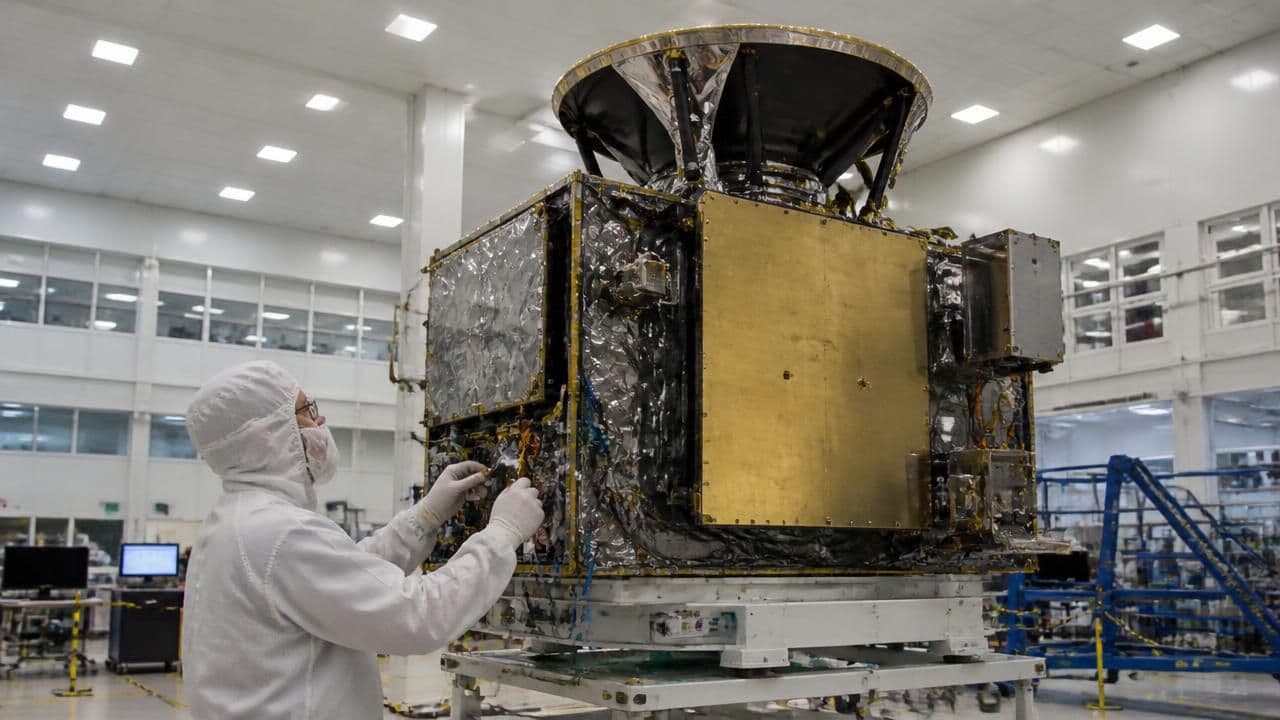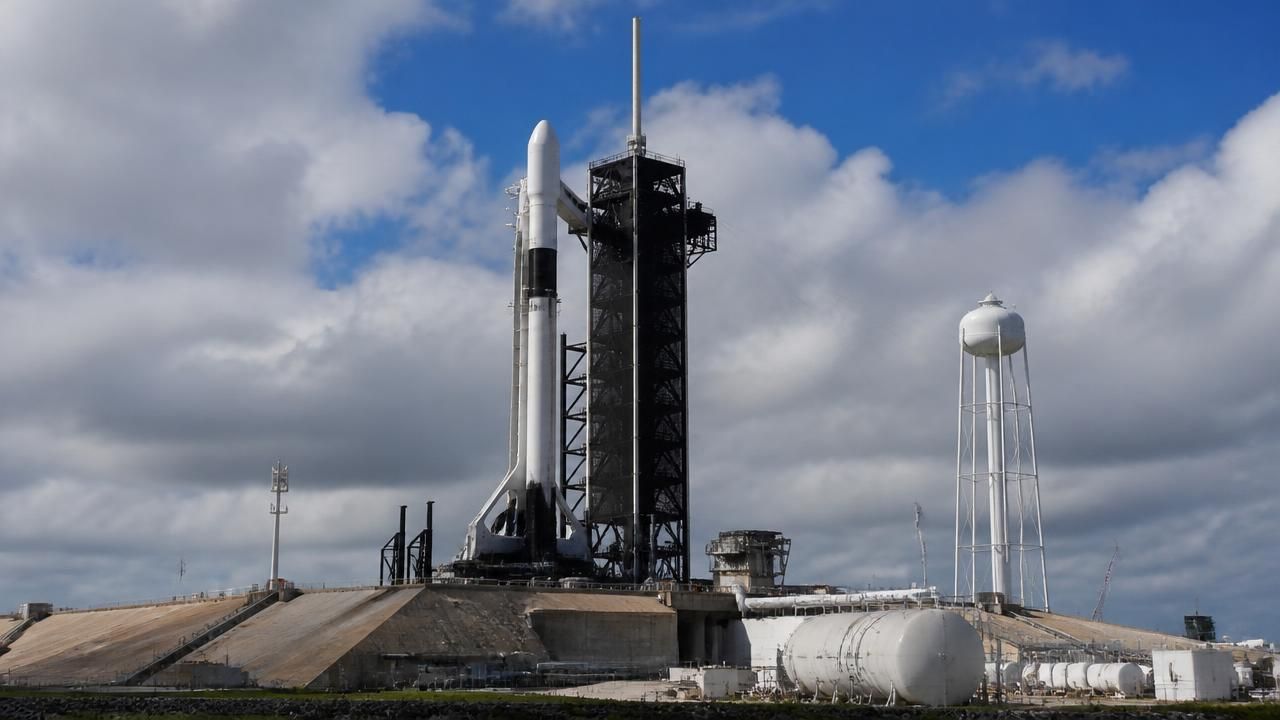
Northrop Grumman’s next commercial cargo flight to the International Space Station is moving into final launch preparations, with NASA and its partners framing the mission as both a critical logistics run and a testbed for technologies intended to strengthen the emerging space economy. The Northrop Grumman Commercial Resupply Services 25 mission, or CRS-25, is slated to carry about 11,000 pounds of science and supplies to the orbiting laboratory.
The spacecraft will launch aboard a SpaceX Falcon 9 rocket from Space Launch Complex 40 at Cape Canaveral Space Force Station in Florida. Although the cargo vehicle is built by Northrop Grumman, the use of SpaceX’s Falcon 9 reflects the increasingly cross-commercial nature of NASA’s resupply program. After launch, astronauts aboard the station will use the Canadarm2 robotic arm to capture Cygnus, and ground controllers will then robotically install it to the Unity module’s Earth-facing port for unloading.
A larger Cygnus for a busier station
This mission marks the third flight of the Cygnus XL, the larger and more cargo-capable version of Northrop Grumman’s solar-powered spacecraft. The XL variant can carry more pressurized cargo than earlier Cygnus models, giving NASA and its international partners additional capacity for research hardware, crew supplies and spare parts as the station’s utilization agenda expands.
NASA’s mission overview emphasizes the delivery of research and supplies, but the flight also has symbolic significance. The spacecraft is named in honor of NASA astronaut James “Jim” A. Lovell Jr., a veteran of Gemini VII, Gemini XII, Apollo 8 and Apollo 13. The naming links a modern commercial resupply operation to the Apollo-era tradition of honoring astronauts whose careers shaped human spaceflight.
Science with an economic purpose
While NASA’s release focuses on the mission’s logistics and station operations, the International Space Station National Laboratory is emphasizing a different frame: the cargo’s role in advancing technologies for the growing space economy. The ISS National Lab announced that the CRS-25 mission will carry advanced materials and technology demonstrations sponsored by the organization. Those projects are designed to mature hardware and processes in microgravity, with an eye toward commercial applications on Earth and in orbit.
That distinction matters. NASA tends to present resupply missions as enabling infrastructure — the reliable delivery of experiments and supplies that keeps the station productive. The ISS National Lab, by contrast, presents the same flight as an economic development tool, one that helps companies and researchers test products, materials and systems in the unique environment of low Earth orbit. Media coverage has added a third emphasis: launch logistics and public access, with NASA announcing live coverage plans as the mission nears launch.
How the mission unfolds
- Launch: A SpaceX Falcon 9 will lift off from Space Launch Complex 40 at Cape Canaveral Space Force Station in Florida.
- Cargo: About 11,000 pounds of research, supplies and hardware will be delivered to the station.
- Capture and berthing: Station astronauts will grapple Cygnus with Canadarm2; ground controllers will then install it to Unity’s Earth-facing port.
- Vehicle: The flight is the third for the larger Cygnus XL, a solar-powered cargo craft built by Northrop Grumman.
- Honoree: The spacecraft is named for NASA astronaut James “Jim” A. Lovell Jr.
Why it matters
The CRS-25 mission arrives as NASA balances routine station operations with a broader strategy of commercializing low Earth orbit. Commercial resupply flights are no longer novelties; they are part of the station’s logistical backbone. But each flight also carries a policy message. The presence of ISS National Lab-sponsored materials and technology demonstrations underscores the station’s role as a proving ground for businesses seeking to build products and services in space.
The use of Falcon 9 to launch a Northrop Grumman Cygnus also illustrates the interdependence of the commercial space sector. Northrop Grumman provides the spacecraft and cargo services; SpaceX provides launch; NASA provides the destination, the capture and berthing operations, and the scientific demand. That division of labor has become central to the station’s post-shuttle operating model.
For scientists and engineers, the practical payoff will come after berthing, when crews begin unloading and activating experiments. For NASA, the mission is another test of a resupply chain that must work reliably as the agency plans for the station’s eventual retirement and the rise of commercial destinations. For the ISS National Lab and its partners, CRS-25 is a chance to show that microgravity research can produce technologies with market relevance.
NASA has announced live coverage plans for the mission, though the exact launch date and schedule details are subject to operational readiness and weather. As the launch approaches, the mission’s twin narratives — dependable logistics and commercial innovation — will converge in the same Falcon 9 flight, carrying about 11,000 pounds of hardware and hope toward the station.