U.S. intelligence agencies briefed congressional staff on Thursday on the security questions surrounding Nvidia chief executive Jensen Huang's relationship with a woman identified in news reports as Alice Huang, telling lawmakers' aides that investigators had found no evidence the woman took direction from a Chinese intelligence service, according to people familiar with the sessions.
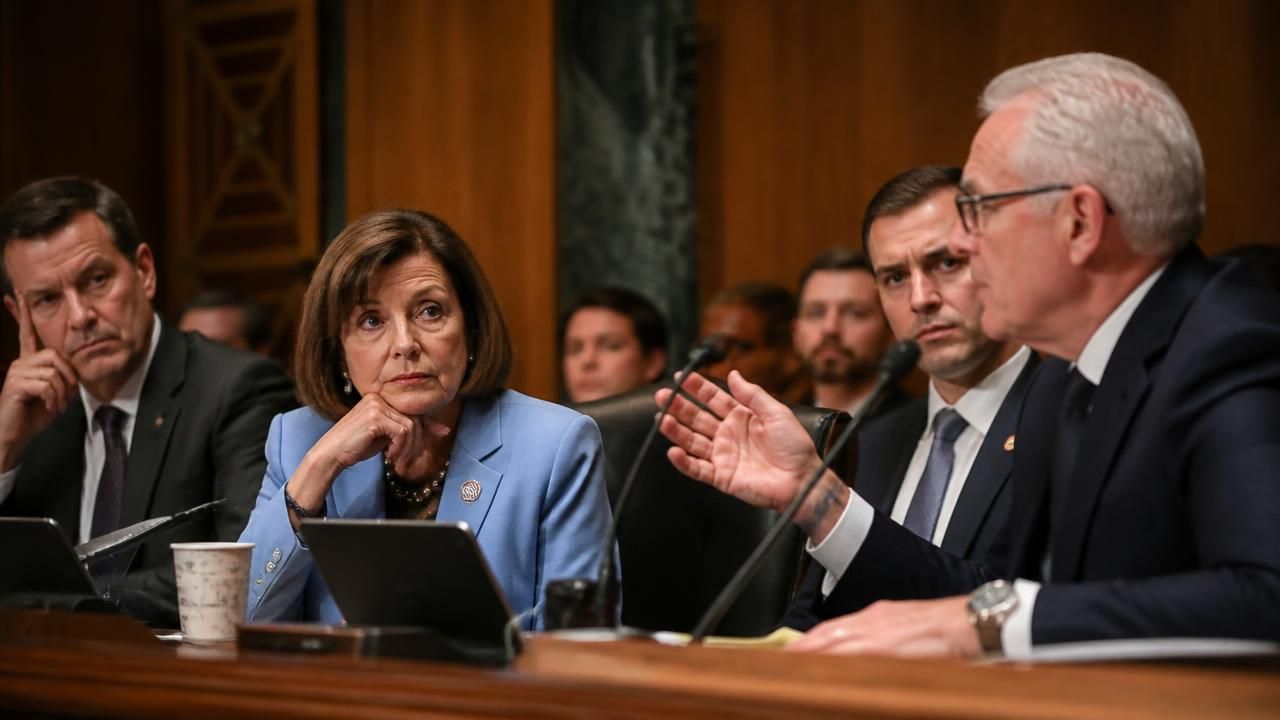
The briefing followed days of escalating scrutiny on Capitol Hill, where lawmakers from both parties demanded to know how a romantic relationship at the top of the world's most valuable semiconductor company went undetected — and whether it created any exposure for export-controlled technology at the center of the U.S.–China tech rivalry.
What lawmakers were told
According to the New York Times, officials from the intelligence community walked aides through the government's knowledge of the relationship and of Alice Huang's contacts with a Chinese spy agency. The central finding relayed to staff: no evidence has emerged that she was acting at the direction of that agency.
That distinction — between contacts with an intelligence service and operating under its control — is likely to shape how Congress proceeds. Lawmakers have asked for a formal briefing, with NBC Bay Area reporting that Congress requested the session directly from the administration. The scope of any public hearing, and whether Jensen Huang himself would testify, remained unclear.
How the story developed
The affair became public knowledge in recent days, generating a wave of coverage that has varied sharply in tone and emphasis. The Times focused on the counterintelligence dimensions, reporting that U.S. authorities had tracked Alice Huang's contacts with a Chinese spy agency. Tabloid and business outlets emphasized the corporate and political fallout, while aggregation services carried headlines that at times outran the confirmed facts.
Among the discrepancies: at least one syndicated headline referred to an "Nvidia ouster" in connection with the affair, a characterization the company has not confirmed and that other outlets have not corroborated. Nvidia did not respond to detailed questions, and none of the reporting to date has established that any classified or export-controlled material changed hands.
Trump: 'not a security threat'
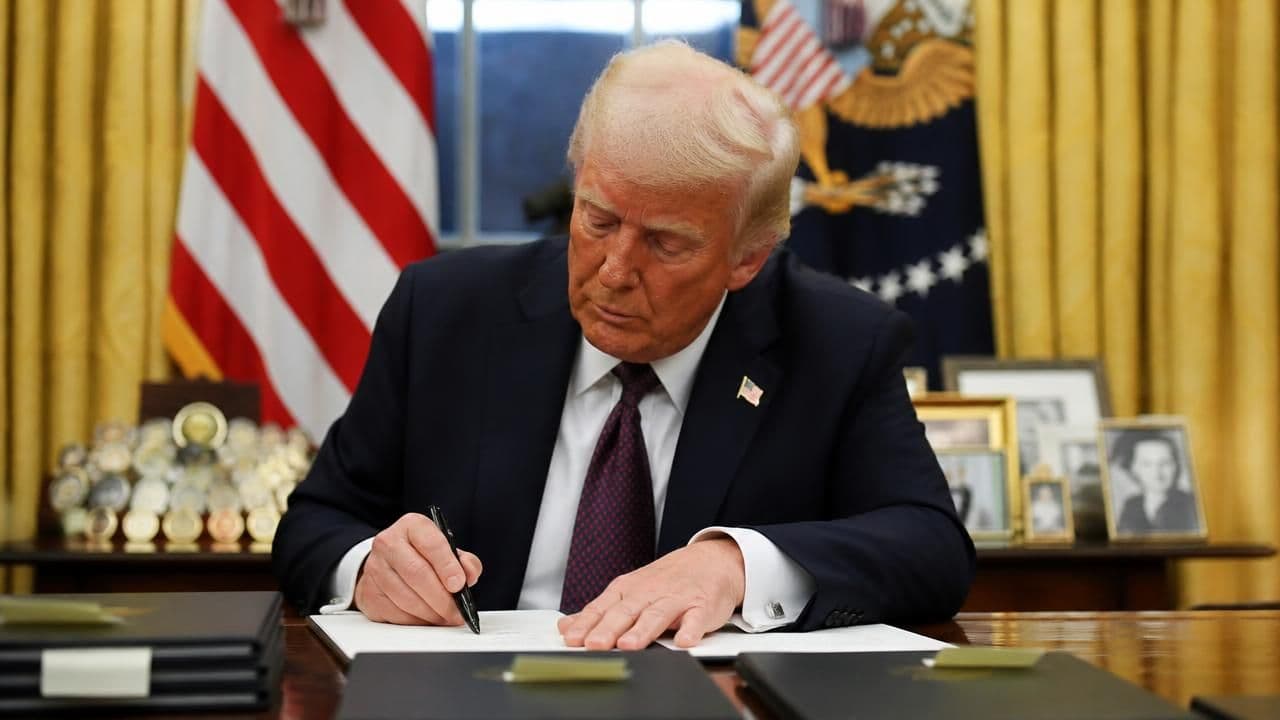
President Trump weighed in before the Hill briefings, telling reporters that Jensen Huang was not a security threat — an early signal from the White House that it does not intend to treat the episode as a counterintelligence emergency. The president's comment came as intelligence agencies were still assembling material for lawmakers, and it drew criticism from some national security hawks who argued the assessment was premature.
The episode has also revived a long-running internal Republican debate over export controls on advanced AI chips. The New York Post framed the affair as a potential catalyst, describing the political risk in stark terms:
"Nvidia CEO Jensen Huang's 'spy' affair could spark Congress crackdown on AI export controls: 'Massive earthquake'" — New York Post headline
Nvidia has been at the center of the U.S. export-control regime for two years, with successive rounds of restrictions limiting sales of its most advanced accelerators to China and prompting the company to design downgraded parts for that market. Any congressional action would land on an industry already navigating shifting rules and a multibillion-dollar revenue exposure.
The apology
At an executive meeting this week, Jensen Huang apologized over the affair but took no questions, according to accounts carried by MSN. The decision to address the matter briefly — and to decline follow-ups — fit the posture Nvidia has adopted throughout: acknowledge the personal matter, decline to elaborate, and keep the focus on operations. Employees, according to those accounts, were told the company's work would continue uninterrupted.
The approach carries risks. Public apologies without questioning can harden press scrutiny, and the absence of a detailed corporate account leaves a vacuum that speculation fills — particularly in a story that touches national security.
Why it matters
- Counterintelligence: The case tests how the U.S. government assesses relationships involving executives with access to sensitive technology and supply-chain data.
- Export controls: Congress could use the episode to justify tighter restrictions or new disclosure requirements for chipmakers.
- Corporate governance: Nvidia's board faces questions about vetting and disclosure obligations for senior leadership.
- Politics: The White House's early dismissal of the threat contrasts with Hill demands for hearings, setting up a possible institutional clash.
What happens next
Lawmakers are expected to seek a classified session beyond the staff-level briefing, and several committees have signaled interest in the export-control angle. The intelligence community's conclusion that there is no evidence of direction from a foreign spy service gives the administration room to downplay the matter — but it does not resolve the underlying question of whether existing safeguards are adequate.
For Nvidia, the immediate challenge is containment: keeping investor confidence intact while a Washington investigation unfolds. For Congress, the challenge is calibration — turning a tabloid-adjacent story into legislation without overreaching on evidence that, so far, officials say does not support the most alarming interpretations.
As one senior aide put it privately, the briefing answered the narrow question and left the larger ones open. In Washington, that is usually where the real fight begins.