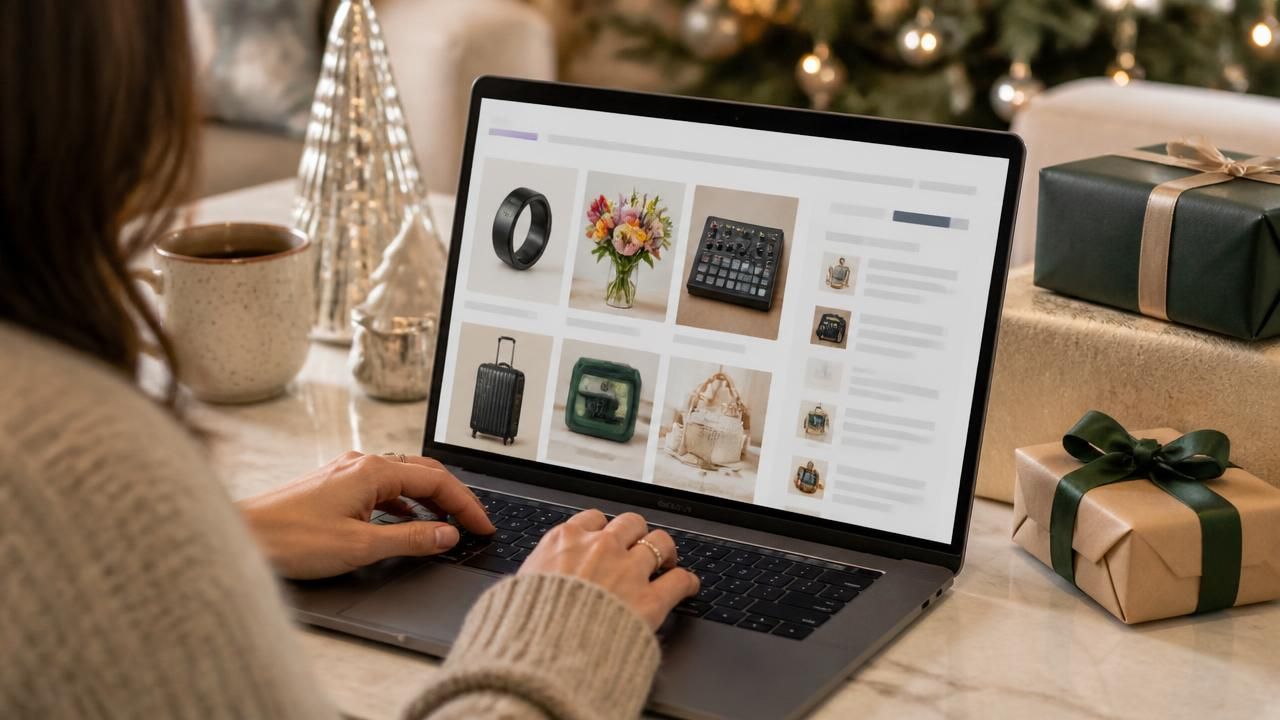
The 2026 holiday shopping season has barely begun, but the publishing industry's annual arms race is already well underway. This week, a cluster of gift guides landed from outlets as varied as The Verge, the Guardian US, Haute Living and The Source — a reminder that the modern holiday gift guide is no longer a soft-feature afterthought but a ruthlessly optimized piece of commerce journalism, engineered to capture search traffic, affiliate revenue and reader attention months before the first advent calendar is opened.
A crowded field of lists
The Verge, Vox Media's technology publication, published its flagship 2026 holiday gift guide with a characteristically earnest framing. "Gift-giving isn't just about grabbing something solid under a determined spending limit. It's an expression of love, a way to show someone how well you really know them," the outlet wrote, before acknowledging that shoppers often need "a push in the right direction to get things rolling."
The guide's selections skew heavily toward the gadget-literate: minimalist smart rings, Play-Doh flowers and "sleek beat machines" among them. The Verge said its editors "spent hours collecting our favorites" to help readers get ahead of their shopping, positioning the list as exhaustive enough to satisfy "whatever your needs, no matter how demanding the recipient."
That broad mandate is split across verticals. A companion Verge guide targets frequent travelers specifically, promising "the 33 best gifts for frequent travelers in 2026" — a narrower, intent-driven format that has become standard practice for commerce teams chasing high-value search terms like "best travel gifts."
Scale as a strategy: the Guardian's 145
Where The Verge competes on taste and niche expertise, the Guardian US is competing on sheer volume. Its 2026 offering, published under the Filter US banner, promises "145 best holiday gifts in 2026 – handpicked by the Guardian US." The number is the story: 145 entries is less a curated list than a searchable catalogue, designed to rank for dozens of product categories simultaneously and to keep readers on page through the long tail of holiday browsing.
The contrast with The Verge's 33-item travel guide is instructive. Both outlets are pursuing the same affiliate-revenue model — links that pay a commission on purchases — but with different theories of how to win. One bets that specificity and editorial voice build trust; the other bets that comprehensiveness captures every possible query.
Luxury moves early
At the other end of the market, Haute Living published what it billed as "The Early Holiday Gift Guide 2026: The Best Luxury Gifts for Her & for Him." The luxury lifestyle title's list targets a readership for whom price is a secondary consideration and brand signalling is paramount — a segment largely absent from mainstream tech guides, which tend to anchor recommendations to defined spending limits.
The word "early" in that headline matters. Gift guides have been creeping forward on the calendar for years, driven by retailer discount events and the reality that search interest for holiday gifts begins climbing well before Thanksgiving. Publishers who wait until December cede the most valuable traffic to competitors who posted in September and October.
The infrastructure problems beneath the gloss
Not every guide was equally accessible. Attempts to view Haute Living's piece returned a JavaScript-and-cookies interstitial rather than content; The Source's "Ultimate 2026 Holiday Gift Guide: Thoughtful Finds for Everyone on Your List" returned a bare "403 Forbidden" error page. The failures are mundane but telling: gift guides are among the most commercially important pages a lifestyle outlet publishes each year, and bot-blocking, consent walls and server errors can quietly undermine the reach those guides are built to capture.
Meanwhile, aggregators and AI-generated shopping summaries are increasingly siphoning the traffic that once flowed directly to publisher lists — a pressure that helps explain both the Guardian's volume play and the emphasis on human "handpicking" across nearly every headline in this year's crop. Curation, once a courtesy, is now the product.
What it means for shoppers
- Expect earlier deadlines. With guides publishing in the autumn, the practical window for considered purchases is longer — but the pressure to buy early is also deliberately manufactured.
- Read the disclosure. Most of these lists monetize through affiliate links; editorial independence and commercial incentive coexist uneasily.
- Match the guide to the recipient. A 145-item mega-list and a 33-item travel guide serve different shoppers; the narrow list is often the more useful one.
Taken together, the 2026 guides reveal an industry that has learned to treat the holidays as a year-round content operation. The Verge sells taste, the Guardian sells breadth, Haute Living sells aspiration — and all of them are, quietly, selling the same thing: the promise that someone else has already done the thinking for you.