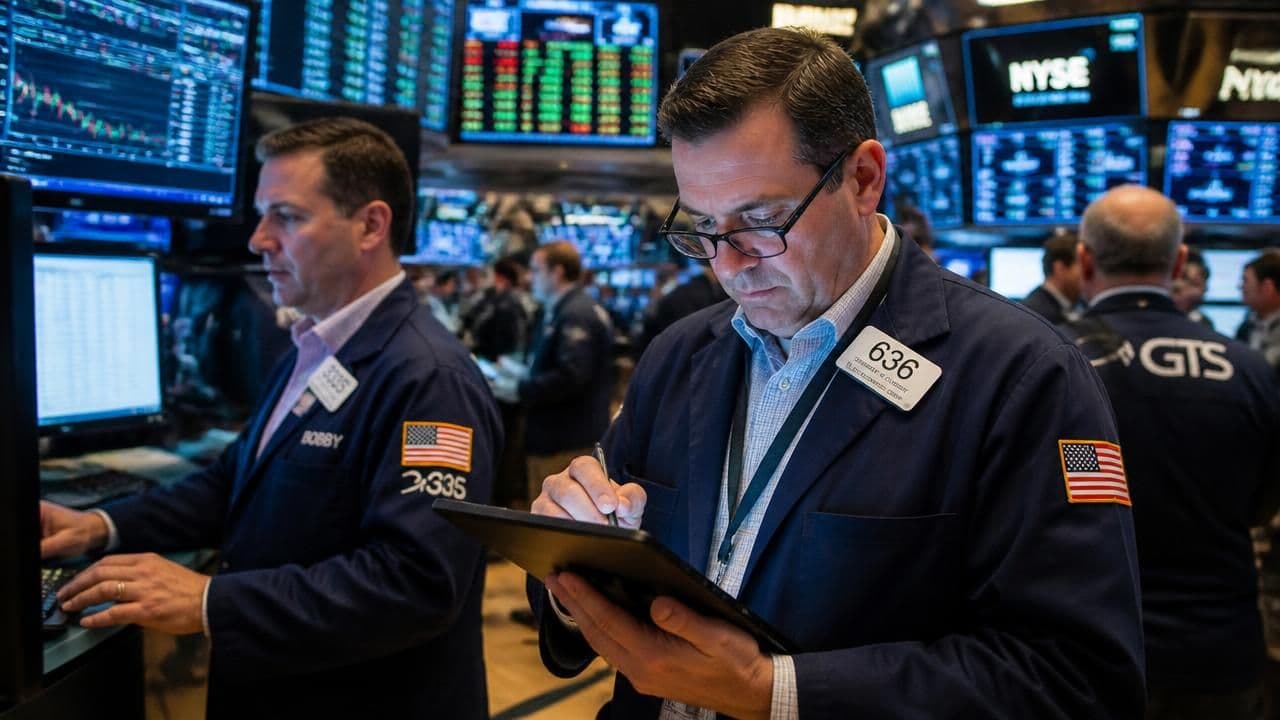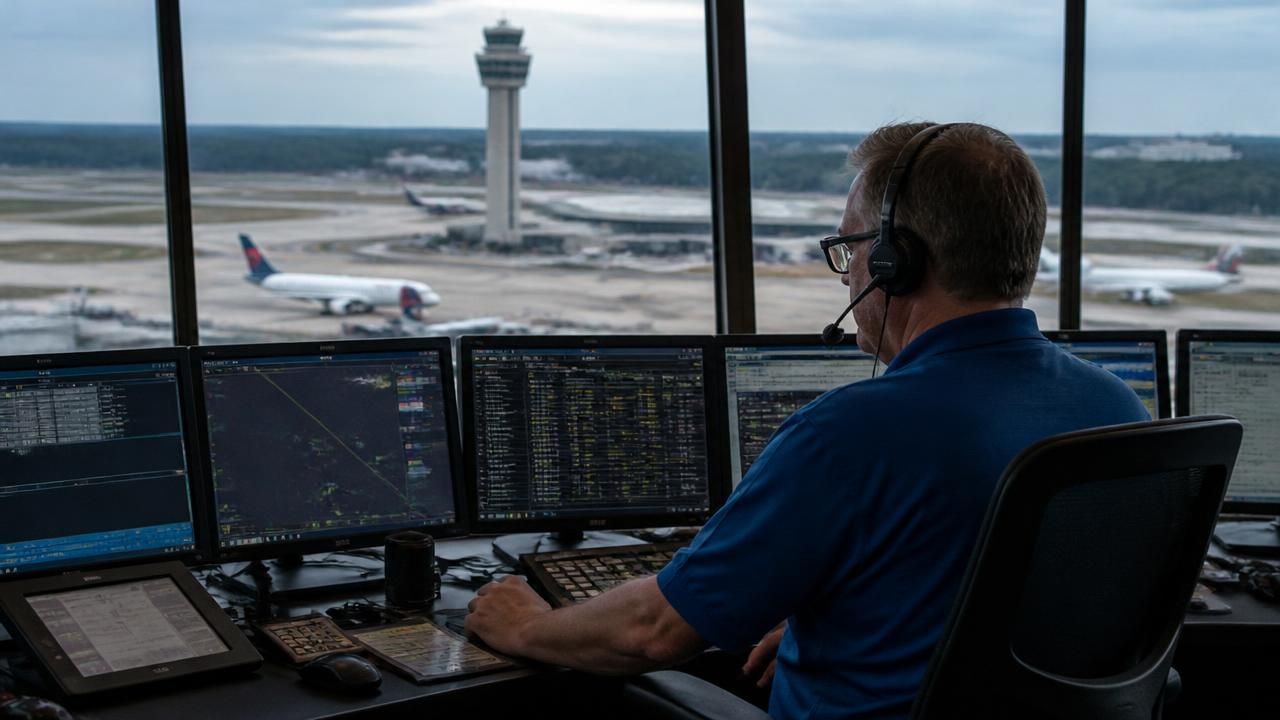
The past week has given the public a stark lesson in digital dependency. A nationwide Federal Aviation Administration ground stop, a multi-day Microsoft Outlook outage that brought entire companies to a standstill, and a banking outage at JPMorgan Chase have produced a now-familiar cycle of disruption, speculation and demands for investment. According to The Verge, the consensus is that the country has not seen the last of major tech outages.
Jay Clayton, identified in the report as director of national intelligence, told CNN that the public should brace for systemic upgrades and sustained cybersecurity spending.
“The American people should be prepared for a great deal of investment in upgrading our systems; they should be prepared for investment in cybersecurity, and they should be prepared that any time there is a step change in technology, a step change in both compute and applications, there will be bumps in the road.”
The Verge also noted that Microsoft President Brad Smith issued a statement as the Outlook disruption unfolded, a sign that the incidents are forcing even the largest vendors to confront public confidence as well as technical repair.
Connected or coincidence?
The clustering of failures has inevitably raised questions about whether the FAA, Microsoft and JPMorgan Chase incidents are linked—or even deliberate. MassLive examined what is known about possible connections. So far, there is no public evidence of a single cause or a coordinated attack. NBC News reported that the wave of outages raised fears of sabotage, but that the explanation may be much simpler: routine software failures, configuration errors, overloaded systems and brittle third-party dependencies can cascade quickly through cloud infrastructure.
That does not make the incidents less serious. Modern outages rarely stay contained. A failed authentication service can lock users out of email, a payment processor glitch can freeze transactions, and a cloud misconfiguration can ripple across airlines, banks and hospitals. The result is a public that experiences separate incidents as one broader sense of instability.
The AI race and the fragility problem
NBC News also reported that the AI race to fix security flaws could be making tech outages more common. The paradox is uncomfortable: automated tools can find vulnerabilities faster, but the pressure to patch quickly, ship AI features and keep pace with competitors can introduce new regressions. Security teams are being asked to move faster than many organizations can safely test and validate changes.
Clayton’s warning about a step change in compute and applications captures the underlying tension. Every major platform shift—cloud computing, mobile, and now AI—adds capability but also adds dependencies. When systems are tightly coupled, a small failure can travel farther than engineers intended. The fix is not simply more spending; it is better architecture, redundancy, incident response and transparency.
Outage trackers and a new resilience economy
USA Today highlighted how a key website for tracking major tech outages can help users understand whether a disruption is widespread or local. Such services aggregate user reports and can offer a quick signal, but they are not official. Users should cross-check with company status pages and official statements, avoid assuming a single report explains the whole problem, and use trackers to distinguish a platform-wide failure from a local network issue.
- Check the provider’s official status page first.
- Use outage trackers to compare reports across regions and services.
- Look for official statements before attributing cause or blame.
- Assume nothing about links between separate outages until investigators confirm them.
MSN reported that tech outages are fueling a new doomsday economy. That economy includes cyber insurance, backup systems, business continuity consulting, outage monitoring and resilience tools. Companies are buying redundancy not because they expect a single catastrophe, but because repeated smaller failures can be costly enough to justify the spending.
What history says
Reuters has compiled a timeline of major tech outages in recent years, a reminder that these events are not new. From cloud provider disruptions to airline system failures and social media blackouts, the common thread is concentration: when a few platforms, networks or vendors fail, the effects travel far. Experts at a Roanoke tech conference discussed the recent outages, according to MSN, underscoring how regional tech communities are grappling with the same resilience questions as global firms.
The lesson is not that every outage is sinister. It is that digital infrastructure has become critical infrastructure, and critical infrastructure requires serious investment. The coming years are likely to bring more automation, more AI and more interdependence. Without better safeguards, the bumps in the road may become more frequent—and more expensive.