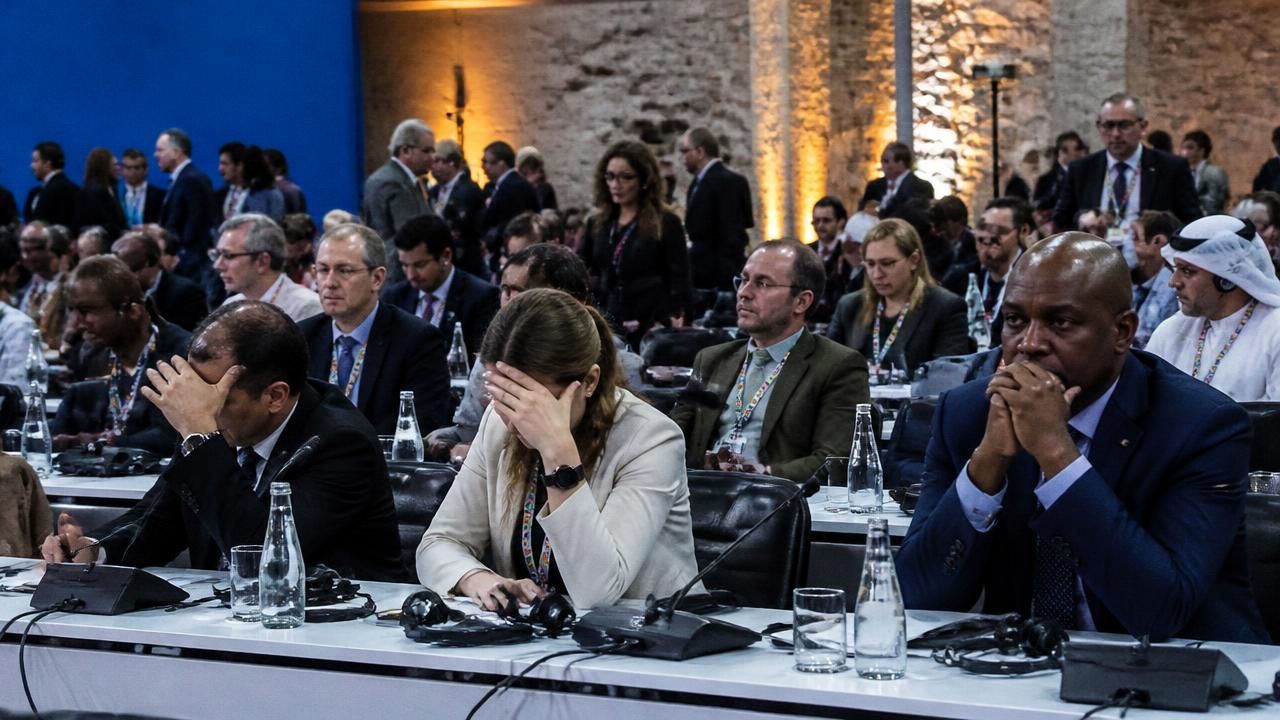
ANTALYA, Turkey — The world's largest annual climate negotiation ended in disarray this week, as COP31 closed without the comprehensive agreement delegates had spent two weeks pursuing. Nearly 200 countries had gathered in the Turkish coastal city, but a bitter dispute over the future of fossil fuels proved impossible to bridge, leaving the summit without the headline deal that host governments and the United Nations had hoped to deliver.
The outcome was reported across outlets with strikingly similar language — and strikingly different emphases. NPR framed it plainly as disappointment: "International climate talks end in disappointment." The BBC described a process that "end[s] with no major deal after fossil fuels row derails hopes of agreement." A third outlet, BSS, went further with a headline about a "climate deal collaps[ing] in a chaotic end to COP31." The Statesman focused on the mechanics of failure, reporting that talks "break down as EU and others reject cover decision."
How it fell apart
The collapse centred on a procedural document known as a "cover decision" — the package text that summarizes and formalizes what a COP has agreed. In the final hours, negotiators produced a draft that, according to MSN's reporting, was "slammed by activists, leaders as fossil fuels go unmentioned in draft agreement." The omission of any explicit reference to coal, oil and gas — the primary driver of global warming — proved a red line for the European Union and a bloc of like-minded, ambitious countries.
The summit's presidency insisted a deal was within reach even as the text unravelled. MSN's earlier reporting captured the sequence: "COP31 climate talks close to final deal, says summit president." That optimism did not survive the arrival of a final text that the EU and others judged unacceptable, and the gavel came down on a process with nothing binding to show for it.
"Climate deal collapses in chaotic end to COP31" — the framing used by one outlet's newsroom as the summit gavel fell without an agreed text.
The fossil fuel fault line
The row is the same one that has now dominated three successive COPs. Since the Glasgow summit in 2021, when countries agreed for the first time to "phase down" rather than "phase out" coal — a last-minute change in wording that became a symbol of ambition diluted — the question of whether the world's final agreements should name fossil fuels by name has become the central test of credibility for the process.
At COP28 in Dubai, a deal notably referenced "transitioning away from fossil fuels in energy systems." That language was seen by many governments and campaigners as a floor, not a ceiling. In Antalya, attempts to carry, strengthen or even retain such phrasing met resistance from producing economies that argue their national development pathways and the wider global energy security depend on continued hydrocarbon production, and that the more productive route is scaling up cleaner alternatives rather than restricting supply.
The result was a familiar standoff: one side treating explicit fossil fuel language as non-negotiable, the other treating it as a deal-breaker. In a consensus-based forum, either position is enough to stop the clock.
Differing accounts of the same failure
How the collapse is described depends heavily on where an outlet sits. Reports framed around the EU's role emphasize principle: a bloc refusing to sign a text it felt would have set back the cause of a decade. Reports framed around the process emphasize dysfunction: a conference that could not deliver, at enormous logistical and diplomatic cost, with the summit's own presidency having publicly forecast a final deal only hours before the room turned.
Activist groups, quoted across several outlets, cast the draft as a capitulation to fossil fuel interests and argued that any agreement leaving hydrocarbons unnamed was worse than no agreement at all. That is a contested position — some negotiators and analysts have long argued that a weak text still nudges domestic policy and preserves a multilateral channel, particularly for vulnerable states with limited diplomatic leverage.
What it means
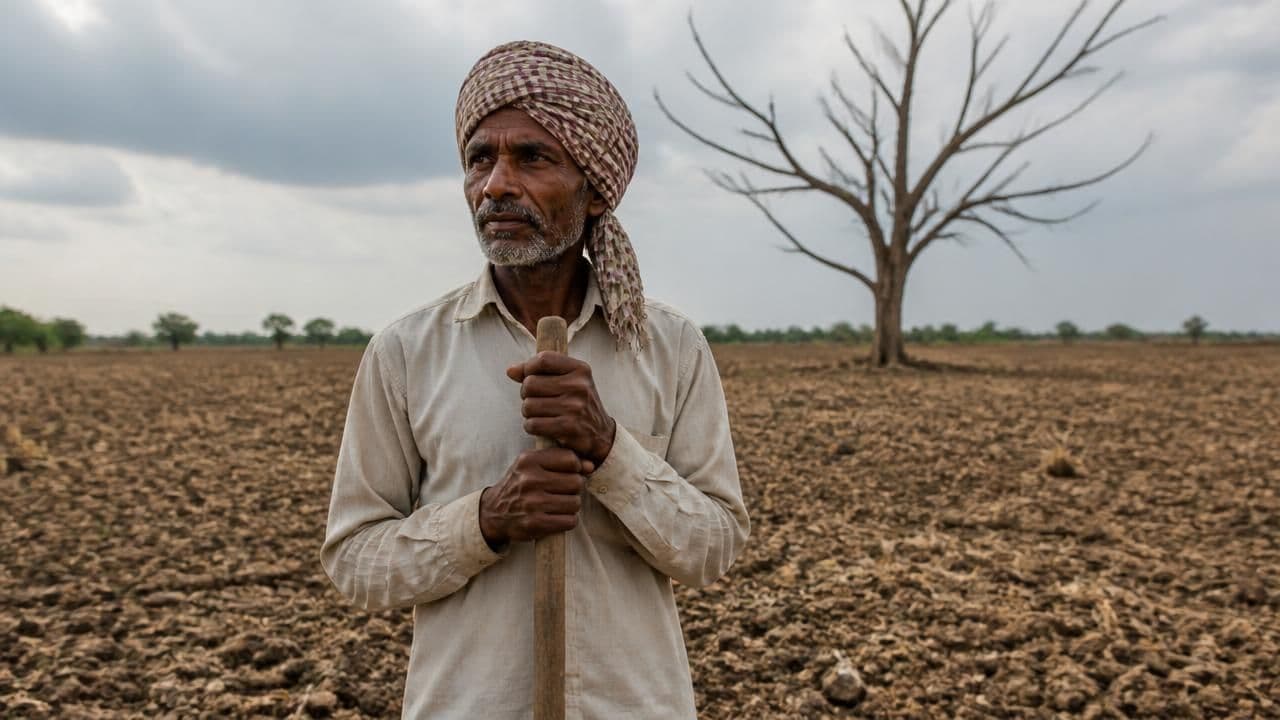
The immediate casualties are trust and momentum. A COP with no agreed text leaves no mandate for the next presidency, no shared baseline for national climate plans due in the coming years, and no reaffirmation of the finance commitments developing countries say they need to adapt to a warming climate they did least to cause. For the most exposed states — small-island nations, low-lying deltas, arid farming regions — the absence of a decision is not a procedural footnote but a delay measured in lost resilience.
It is also a reputational blow to a process already under strain. A summit that fails to reach agreement will sharpen the argument, made by some governments and scholars, that the consensus-based COP model is structurally ill-suited to governing a transition away from the fuels underpinning many economies — and will strengthen those pushing for alternative venues, from plurilateral coalitions to trade-based mechanisms such as carbon border adjustments.
The road from Antalya
Attention now turns to what, if anything, can be salvaged before the next conference. Diplomatic pressure will focus on re-establishing the omitted fossil fuel language as a baseline, and on whether a smaller coalition of ambitious governments will proceed with unilateral commitments to keep the issue alive.
For now, the record reads simply: nearly 200 countries came to Antalya to agree on how to confront the primary driver of climate change, and left without saying so. Whether that becomes a turning point or a footnote will be decided long after the delegations have flown home.