Forecasters are warning that a rare 'super El Niño' — shorthand for an exceptionally strong warming of the tropical Pacific — is taking shape, with consequences that extend far beyond weather maps. The event is expected to amplify droughts, floods, heat waves and storms across different regions, threatening food supplies, public health and water security. While no two El Niño events are identical, the emerging consensus from climate scientists and international agencies is that a powerful event can act as a global stress multiplier, hitting vulnerable countries already weakened by conflict, debt and cuts to foreign aid.
From Pacific warming to global stress
El Niño is a natural climate pattern marked by above-average sea-surface temperatures in the central and eastern equatorial Pacific. It recurs every two to seven years and can temporarily raise global average temperatures, disrupt rainfall and shift storm tracks. Scientists sometimes describe the strongest events as 'super' El Niños, though the term is informal rather than an official category. The 1997-98 and 2015-16 events are benchmarks: both brought severe drought, flooding and health emergencies in different parts of the world.
The current episode has been framed in strikingly different ways. MSN's explainer focuses on what readers need to know as conditions take shape, translating oceanic data into practical risks. The New York Times captured the anxiety with a headline that was less about meteorology than about governance and human agency: 'What are we to do?' Wired, meanwhile, looked at the hunger implications, warning that some regions will get wetter while others face massive drought. Nature emphasized a dimension that often gets less attention: health. Financial Express turned to India, where drought, heat risks and water stress could tighten their grip by 2027.
What are we to do?
Together, the coverage suggests that a super El Niño is not just a climate anomaly. It is a test of how governments, aid agencies and health systems anticipate compound shocks.
Hunger: the first visible crisis
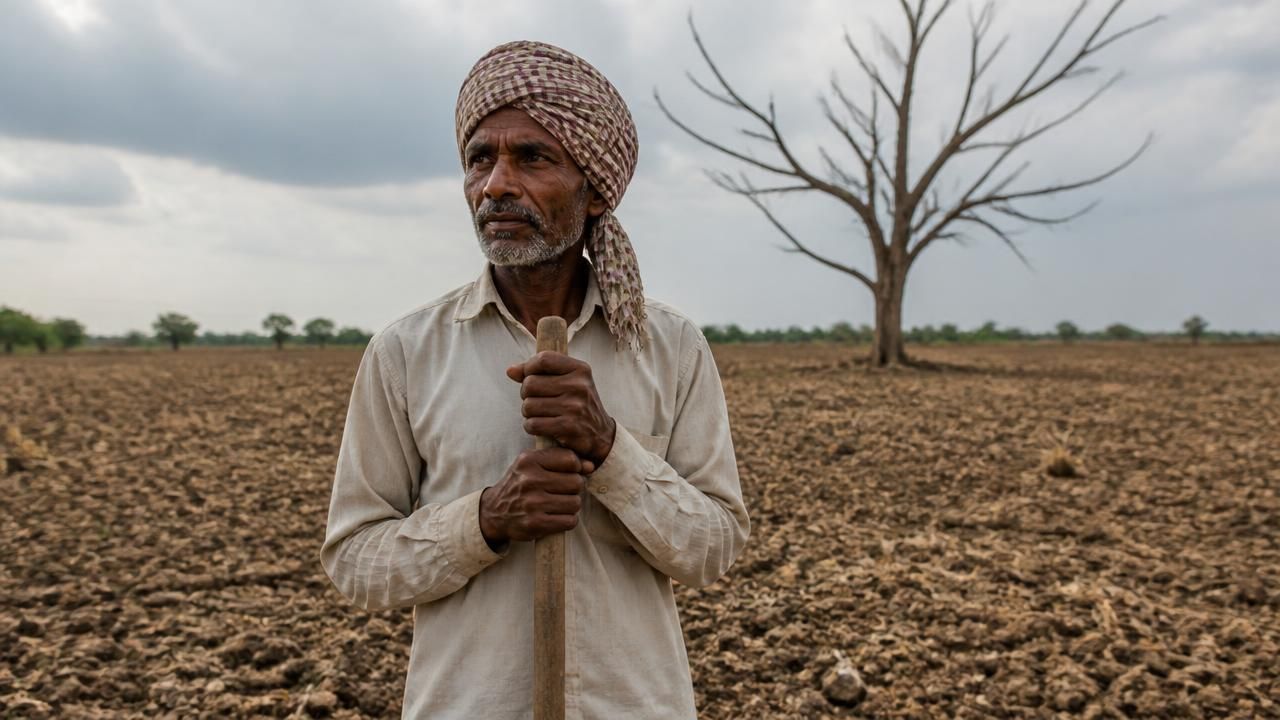
Wired's reporting places food security at the center of the story. El Niño changes rainfall patterns: while some regions get wetter, others face prolonged drought. For farmers in vulnerable countries, the timing matters as much as the total rainfall. A delayed rainy season can ruin planting; too much rain can wash away crops; heat can cut yields. When staples fail, prices rise, households sell assets and malnutrition follows.
The hunger risk is compounded by factors that have little to do with the Pacific Ocean. Wars disrupt farming and transport. Cuts to foreign aid reduce the safety net. Debt limits governments' ability to import food or support farmers. Wired's warning that millions could be left without enough to eat reflects a broader lesson from recent crises: climate shocks rarely act alone. They land on societies already under strain.
- Drought can reduce staple crop yields and livestock productivity.
- Floods can damage roads, markets and storage, pushing food prices higher.
- Heat stress can affect agricultural workers and increase post-harvest losses.
- Aid cuts and conflict can weaken the response before the climate shock peaks.
Health systems under pressure
Nature's coverage argues that the super El Niño is more than a climate shock — it is a health one, too. The pathways are well established. Heat waves cause direct illness and death, especially among outdoor workers, older people and those with chronic conditions. Drought reduces access to safe water, increasing the risk of waterborne disease. Flooding can contaminate supplies and displace communities. Changes in temperature and rainfall can also alter the range and timing of mosquito-borne diseases.
The super El Niño is more than a climate shock — it is a health one, too.
Health impacts are often indirect and slow-moving. Malnutrition weakens immune systems. Families forced to migrate lose access to clinics. Health workers may be stretched by simultaneous emergencies. Nature's framing is a reminder that ministries of health, not just meteorological agencies, need to be in the room when El Niño forecasts are discussed.
India's long-range warning
Financial Express highlights India, where El Niño is associated with weaker monsoon rains, heat stress and water shortages. The report points to 2027 as a period when drought, heat risks and water stress could tighten their grip, suggesting that the concern is not only the current event but the recurrence and compounding of climate risks over the coming years. For India, the stakes are enormous: agriculture employs a large share of the workforce, reservoirs supply cities and irrigation, and heat waves already test power grids and public health.
The India angle also shows how a global climate signal becomes local. A weaker monsoon can reduce crop output and rural incomes. Water stress can pit cities against farms. Heat can close schools and disrupt construction and transport. The Financial Express framing is therefore economic and infrastructural as much as meteorological: drought and heat are not just weather events but fiscal and planning challenges.
Why the framing matters
The different headlines reveal different theories of responsibility. Wired stresses humanitarian obligation and the need to protect food systems. Nature stresses public health preparedness. The New York Times asks what societies should do, implying that early warning must translate into early action. MSN provides the explainer that helps a general audience understand the mechanics. Financial Express narrows to national resilience and long-term water security.
Scientists caution that El Niño is not destiny. Its effects depend on timing, regional rainfall patterns, infrastructure and governance. But the convergence of warnings is significant. A strong Pacific warming event can expose weaknesses in food, health and water systems at the same moment. The most effective responses will be anticipatory: drought-resistant seeds, social protection, water storage, disease surveillance, heat action plans and predictable aid. The question posed by the New York Times is not rhetorical. It is the central policy challenge of the coming season.