A federal jury in California has convicted 30-year-old Jonathan Rinderknecht of setting the January 2025 Palisades Fire, the Los Angeles blaze that killed 12 people and leveled thousands of homes, giving one of the most destructive wildfire disasters in modern American history its first criminal reckoning.
The verdict, delivered by a federal jury after a second trial, marks the close of an unusual and closely watched prosecution: an arson case brought not over a spectacular act of ignition but, according to prosecutors, over a smaller fire allegedly set by a man described as being "mad at everything" in the days before the Palisades firestorm.
What the Jury Decided
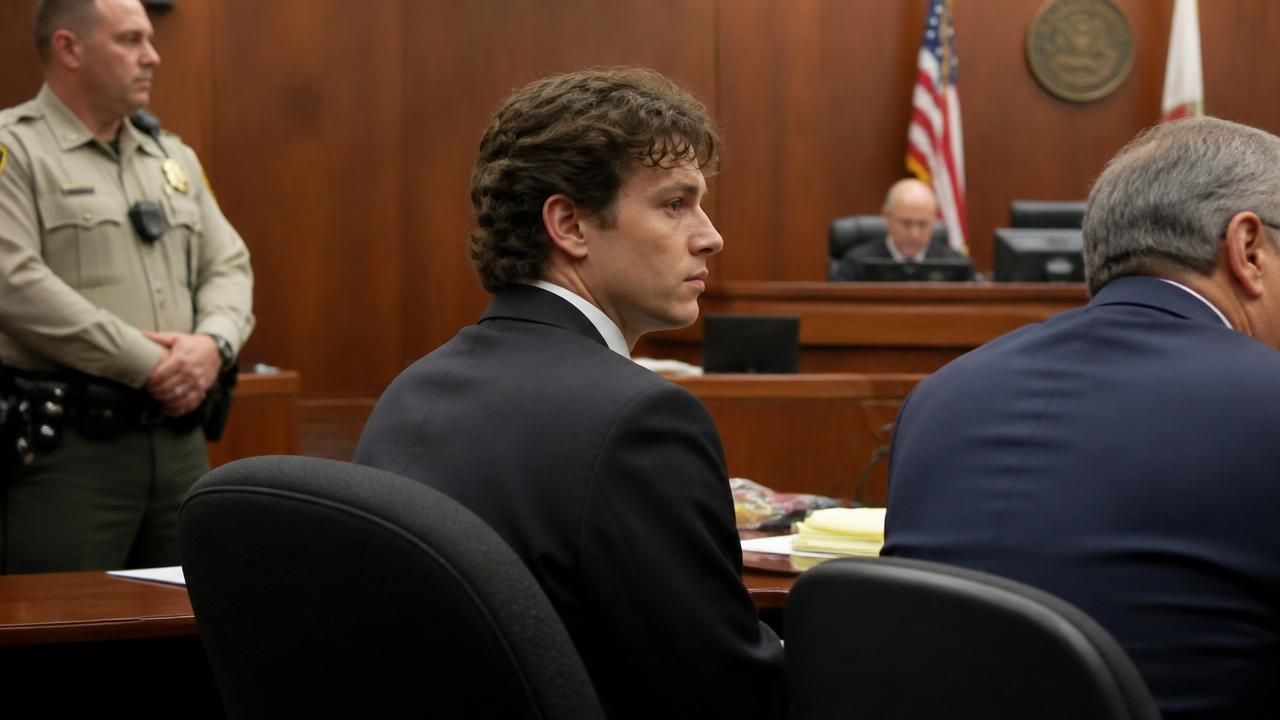
Rinderknecht was found guilty of federal arson charges in connection with igniting the blaze that became known worldwide as the Palisades Fire. The conviction followed a first trial that ended in a hung jury, with jurors unable to reach a unanimous verdict. Prosecutors then re-presented the case, and the second panel returned guilty verdicts.
The outcome was carried quickly by outlets on four continents — from NPR and ABC News in Australia to syndicated copies that appeared across U.S. aggregators and regional sites in Kashmir, Malaysia and Singapore — a sign of how far the Palisades disaster reverberated beyond Los Angeles. Many of the syndicated versions ran near-identical wire headlines; the fuller accounts, including NPR's, emphasized both the death toll and the motive evidence the government presented.
The Fire and Its Cost
The Palisades Fire broke out in early January 2025, in a Southern California landscape primed by months of drought and driven by the region's characteristic offshore Santa Ana winds. Those winds turned what might have been a containable incident into a fast-moving firestorm that pushed through the coastal neighborhood of Pacific Palisades and into the broader Los Angeles basin.
Before it was contained, the fire had killed 12 people — a toll that stands among the deadliest in the city's history — and destroyed thousands of homes and businesses, erasing entire blocks of a community whose property values rank among the highest in the United States. The economic toll, including insured losses and reconstruction costs, ran into the tens of billions of dollars and helped reshape both the state's insurance market and its wildfire policy debate.
The Prosecution's Theory
At the heart of the government's case was a portrait of a defendant in personal crisis. Prosecutors argued that Rinderknecht had been "mad at everything" in the days leading up to the January 2025 fire, a characterization that framed the alleged ignition as the product of grievance rather than accident or ideological motive. That framing — anger rather than terrorism, negligence or utility failure — set the case apart from other major California wildfire prosecutions, which have more often centered on power-line equipment or deliberate profit-driven fraud.
Prosecutors argued that Rinderknecht had been "mad at everything" in the days leading up to the January 2025 fire.
The defense strategy across both trials focused on disputing the chain of causation and the reliability of the evidence tying the defendant to the initial ignition point. The first jury's failure to reach a verdict suggested the case was close: a single holdout or split panel was enough to force the retrial, and the second verdict reflects a more decisive read by twelve new jurors.
How Different Outlets Framed It
The coverage split along predictable lines. National outlets such as NPR foregrounded the human toll — the 12 dead — and used the defendant's age and prosecutors' characterization to anchor the story. Wire and aggregation services compressed the news to a single declarative sentence: "Man convicted of arson in deadly Los Angeles Palisades fire." ABC's Australian arm ran the defendant's full name in its headline, treating the conviction as an international item. At least one regional syndication labeled him a Florida man, a detail that diverged from most reporting describing him as a California defendant — a reminder of how thin the verification can be when a story is copied across dozens of syndication feeds.
Only a handful of outlets noted the procedural history. Among them was MSN, whose headline on one version specified that the guilty verdict came "months after 1st trial ended in hung jury" — a detail that reframes the story as a matter of legal process and prosecutorial persistence rather than a single dramatic moment.
What Comes Next
Federal arson charges carry severe statutory penalties, and Rinderknecht now faces a sentencing hearing before a federal judge, expected in the coming months. His attorneys are likely to pursue post-trial motions and a possible appeal, arguing over the admissibility of evidence and the conduct of the second trial.
- The conviction is one of the few successful criminal prosecutions tied directly to a major California wildfire.
- The 12 deaths and thousands of destroyed structures make the Palisades Fire a benchmark case for how arson is investigated at scale.
- The retrial verdict underscores how much a first hung jury can turn on evidentiary nuances in complex arson cases.
For the survivors of Pacific Palisades, the verdict is unlikely to close the matter. Thousands of residents remain displaced, reconstruction has been slow, and the insurance fallout continues to reshape the state's market. But the jury's decision does establish something the community had awaited for months: a formal finding that the fire that consumed their neighborhood was set deliberately, and that a single individual has been held criminally responsible for it.