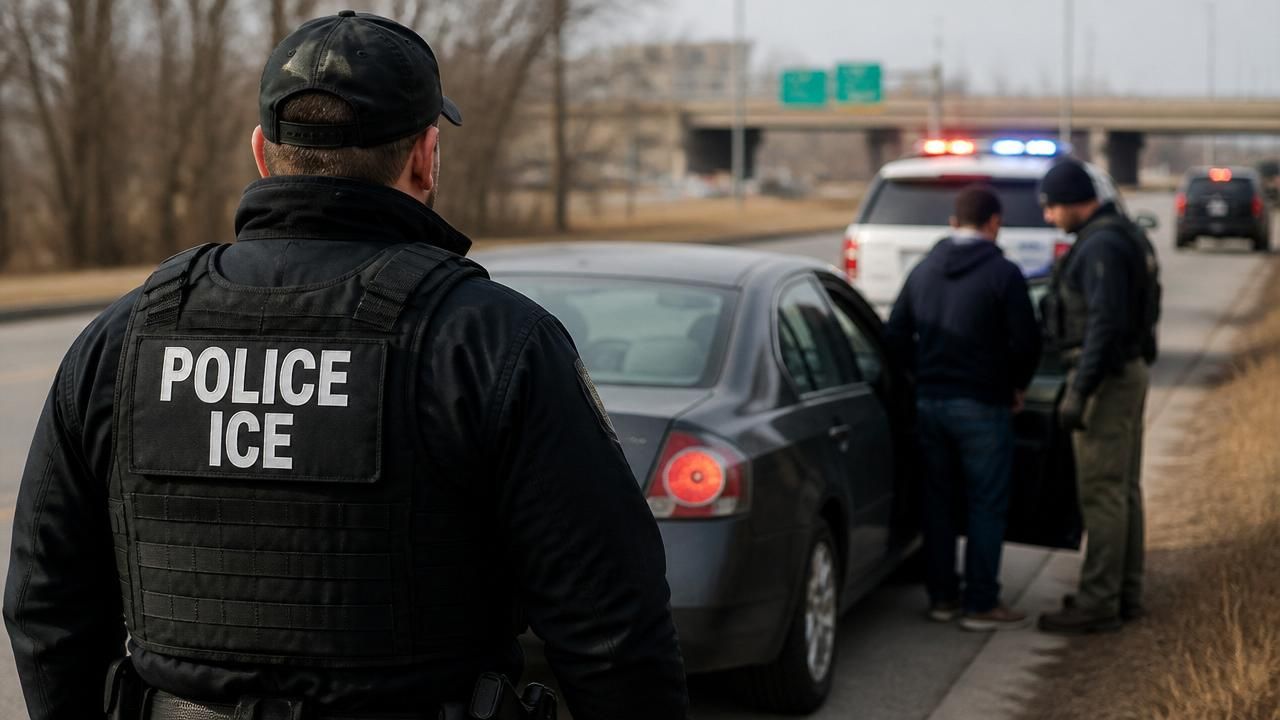
U.S. Immigration and Customs Enforcement (ICE) has ordered a temporary halt to most non-urgent vehicle stops following two deadly shootings in Maine and Texas within less than a week, according to multiple reports. The decision, confirmed by Maine Senator Angus King's office to NPR, marks a significant shift in the agency's enforcement practices and has sparked renewed debate over the use of traffic stops in immigration enforcement.
What Happened?
The policy change comes after a pair of fatal incidents that have drawn national scrutiny. On January 27, an ICE agent fatally shot 26-year-old Colombian man in Biddeford, Maine, during a traffic stop. Just days earlier, on January 24, a similar stop in Texas resulted in another death. The shootings have intensified concerns about the risks inherent in using traffic stops for immigration enforcement, particularly when agents are under pressure to meet arrest quotas.
“Minnesota stands with Maine,” said Minnesota Governor Tim Walz, expressing solidarity with the community in Biddeford and calling for a thorough investigation.
What Has Changed?
Under the new directive, ICE agents are instructed to pause all non-urgent vehicle stops. Urgent stops—those involving immediate threats to public safety or national security—will still be permitted. The order is intended to provide time for review and training, according to sources familiar with the decision. NBC News reported that the pause reflects concerns that pressure to arrest may have contributed to the fatal shootings. The New York Times, citing newly released records, detailed chaos during a separate fatal ICE shooting in Minneapolis, further highlighting systemic issues.
Broader Context and Historical Background
ICE has long used traffic stops as a tool to apprehend undocumented immigrants, often in collaboration with local law enforcement. However, critics argue that these stops can escalate quickly, especially when agents are not adequately trained for high-stress encounters. The agency has faced previous lawsuits and accusations of excessive force. The recent incidents add to a growing list of fatal encounters, prompting calls for a fundamental reassessment of enforcement strategies.
In a related development, a man was struck and killed by a truck after fleeing ICE agents in Florida, underscoring the dangers of such operations. The cumulative effect of these events has led to mounting pressure from lawmakers and advocacy groups for ICE to limit its use of vehicle stops.
Differing Perspectives
The policy shift has been met with mixed reactions. Supporters of the pause, including Senator King and other Democrats, view it as a necessary step to prevent further loss of life. “This is a prudent measure to ensure that enforcement actions do not result in unnecessary tragedies,” King said in a statement.
However, some conservatives and immigration hardliners argue that the pause could hinder efforts to deport criminals and enforce immigration laws. They contend that traffic stops are a vital tool for identifying and apprehending individuals who pose a threat to public safety. The National Border Patrol Council has not yet commented publicly on the directive.
Data Points and Expert Views
According to data from the Transactional Records Access Clearinghouse (TRAC) at Syracuse University, ICE arrests have increased in recent years, with traffic stops accounting for a significant portion. Experts say that while the pause may reduce immediate risks, it does not address the underlying culture of enforcement that prioritizes arrest numbers.
“The problem is not just traffic stops; it's the quota system that incentivizes aggressive tactics,” said Dr. Maria Rodriguez, a professor of criminology at the University of Texas. “Without reforming that, we'll see other types of stops become more dangerous.”
Implications and Next Steps
The pause is expected to remain in effect while ICE conducts an internal review and provides additional training to agents. It remains unclear how long the directive will last or whether it will lead to permanent changes. Meanwhile, families of the victims have launched GoFundMe campaigns; the family of Renee Nicole Good, killed in a separate incident, raised over $1.5 million.
The Biden administration has not directly commented on the pause, but the Department of Homeland Security is reportedly reviewing ICE's enforcement policies. Advocacy groups are calling for a broader moratorium on traffic stops and for Congress to pass legislation limiting ICE's authority.
As the nation grapples with the aftermath of these shootings, the ICE pause represents a rare moment of introspection for an agency often criticized for its opacity and aggressiveness. Whether it will lead to lasting change or simply be a temporary response to public outcry remains to be seen.