A security company called Calif has used an artificial intelligence model to uncover a significant security flaw in Java, the widely used software platform that underpins a vast share of the modern internet, according to reporting by The New York Times. The finding, corroborated in headline reporting by The Information and The Seattle Times, is being framed less as a single bug hunt than as a demonstration of how quickly A.I. is changing the economics of finding — and potentially exploiting — deep vulnerabilities in critical code.
What Was Found
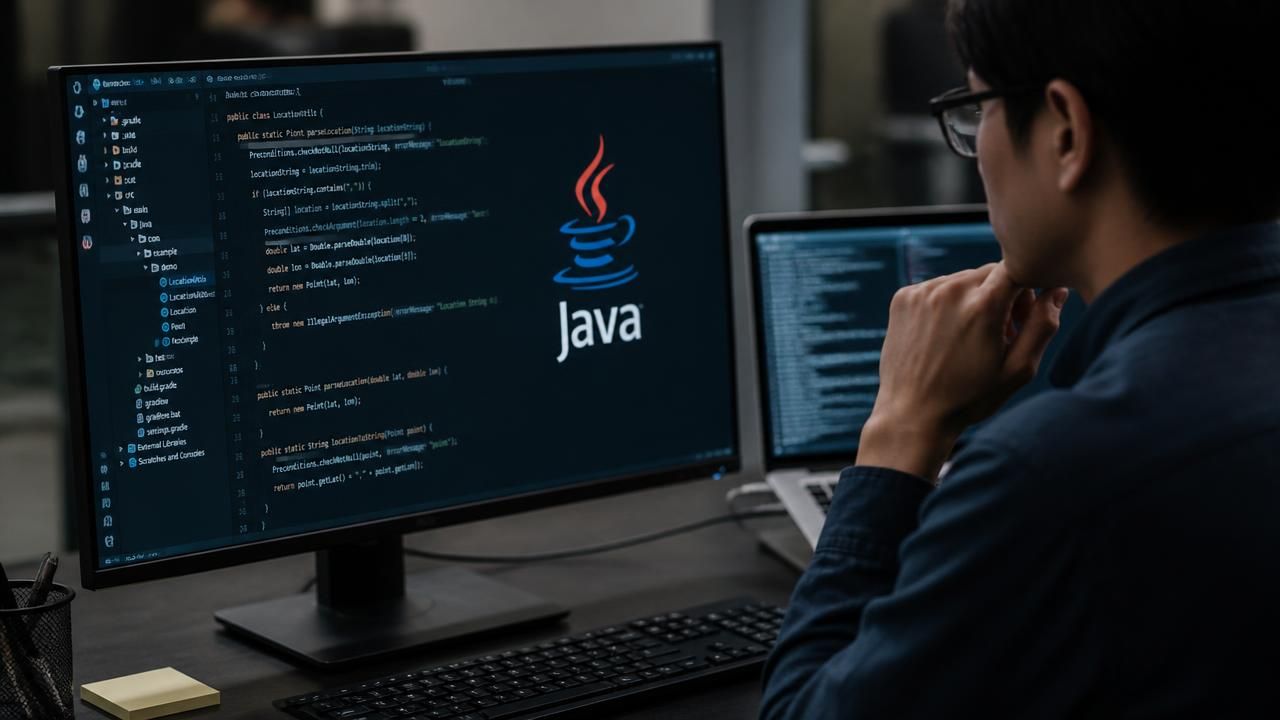
According to the Times account, Calif's tooling surfaced a substantial security hole in Java, a programming language and runtime environment that runs on everything from banking back-ends and logistics systems to Android applications and enterprise middleware. The Times described the flaw as "gaping" and noted that the vulnerability pointed to weaknesses in systems used by nearly all Fortune 500 companies — a characterization that places the discovery in the upper tier of enterprise security incidents, even if the specific exploit mechanics have not been publicly detailed.
The Information reported the same underlying story under the headline "OpenAI Model Helps Find Security Bug in Widely Used Code Language," attributing the discovery to an OpenAI model. That framing shifts the emphasis from the discovering firm to the model provider, and it is a meaningful distinction: the question of which A.I. system found the bug is central to an intensifying commercial rivalry among labs positioning themselves as security tools rather than security risks.
Why Java Matters
Java's reach is the reason a single flaw can reverberate across the economy. The platform has been a staple of enterprise computing since the mid-1990s, prized for its "write once, run anywhere" design, which lets the same code execute across operating systems and hardware. That portability made it the default choice for large-scale corporate systems, and it remains deeply embedded in financial services, government infrastructure, and cloud back-ends.
The corollary is that defects in Java or its surrounding ecosystem have an unusually long blast radius. The log4j vulnerability disclosed in late 2021 — a flaw in a ubiquitous Java logging library — became one of the most severe security episodes in recent memory precisely because Java components are so widely reused and so often buried several layers deep in dependency chains that organizations do not fully track. The Calif finding will inevitably be read against that precedent.
The A.I. Angle
The story's real significance, analysts and the reporting suggest, lies in method. Automated code analysis and fuzzing have existed for years, but large language models and related systems can reason across huge codebases, spot anomalous patterns, and generate candidate exploits at a speed and scale that human review teams cannot match. That capability cuts both ways: the same tools that help defenders find a hole before attackers do can help adversaries locate one faster.
The discovery shows A.I.'s ability to find gaping security holes in popular software, with the Java flaw pointing to vulnerabilities in systems used by nearly all Fortune 500 companies.
That dual-use character is why the disclosure has drawn attention well beyond the security industry. Governments in the United States, the United Kingdom, and the European Union have spent the past two years building testing regimes and reporting requirements for frontier A.I. models, largely focused on catastrophic risk and misuse. A headline example of a model finding a serious bug in critical infrastructure code gives regulators a concrete case study — and gives A.I. vendors a potent marketing narrative.
How the Story Is Being Framed
The coverage diverges in instructive ways. The Times centers the discovering company, Calif, and treats the story as a security-industry milestone with broad corporate exposure. The Information centers OpenAI, framing the episode as evidence of a specific model's capability — a competitive claim as much as a news event. Outlets republishing the Times report, including The Seattle Times, emphasized the same duality in their headlines: the A.I. breakthrough on one side, Java's status as "a software platform vital to the internet" on the other.
Not every item in the aggregated feed was on topic; one syndicated entry concerned an unrelated municipal election interview and carried no bearing on the Java disclosure, and several source pages were inaccessible at the time of compilation, leaving the Times reporting as the principal detailed account.
What Comes Next
- Disclosure and patching: The critical questions are whether affected vendors have been notified, whether a patch or mitigation exists, and how widely it has been deployed.
- Attribution of credit: Expect continued jockeying over which model and which firm deserve recognition — and over whether A.I.-assisted discovery should be disclosed to vendors before publication.
- Policy pressure: Lawmakers already weighing A.I. oversight now have a tangible example of both benefit and risk to cite in hearings.
- Market impact: A.I.-for-security is becoming a crowded commercial category, and demonstrated wins in critical code will accelerate adoption — and scrutiny.
For now, the takeaway is narrower but consequential: the tools that write code are increasingly good at breaking it, and the software that holds up the internet is the testing ground.