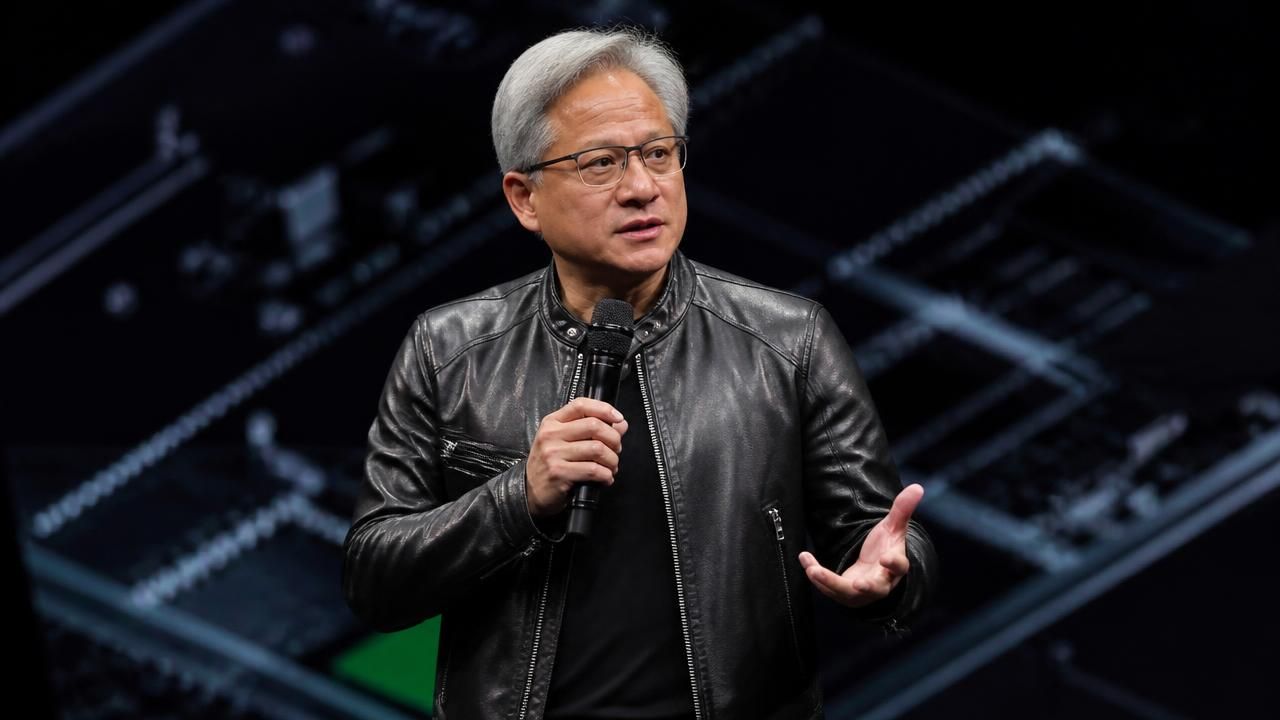
Jensen Huang, the former chief executive of Nvidia, said he would be “honored” to return to the company if asked, using his first public remarks since leaving the AI chipmaker to make a conditional offer of a comeback — even as he agreed to testify before Congress and sit for a House interview amid investigations into alleged chip smuggling and broader national security concerns.
The remarks, reported by The New York Times, The Verge, NPR and others, put Huang back at the center of a story that mixes corporate governance, Washington scrutiny and the geopolitics of artificial intelligence. They also drew an unusually blunt response from Nvidia, whose board has signaled it is not interested in a reunion, according to reports.
A comeback offer, with conditions
Huang’s language was careful. He did not announce a campaign to reclaim his old job or claim that he had been wrongly dismissed. Instead, according to multiple accounts, he said he would return if asked and would consider it an honor to lead Nvidia again. The formulation left room for the board to decide — and for Huang to position himself as available without appearing to pressure the company.
“I would be honored,” Huang said, according to descriptions of his remarks, while making clear that any return would depend on the board’s invitation.
The distinction matters. The New York Times framed the statement as a willingness to serve “if asked,” a restrained formulation that emphasizes the board’s authority. The Verge and MSN headlines stressed the same conditional offer. Decrypt, however, highlighted the board’s resistance, while Kotaku put it more bluntly: Huang says he would be honored to return, but the AI giant is saying no thanks. Those differences in framing reflect the central tension in the story: Huang is trying to keep the door open, while Nvidia appears to be keeping it closed.
Washington calls
The former CEO’s comments coincided with his agreement to testify before Congress and to appear for a House interview focused on allegations that Nvidia chips were smuggled into restricted markets. NPR described a “swirl of national security scandals” around Huang’s exit; other reports focused specifically on alleged chip smuggling and a China chip and spy scandal. At least one report also referenced an affair probe, adding a personal dimension to a controversy otherwise dominated by export controls and corporate oversight.
The scrutiny is not surprising given Nvidia’s position. The company’s graphics processors became the workhorses of the generative AI boom, and its hardware sits at the center of U.S. efforts to limit China’s access to advanced computing. For Washington, the question is whether sophisticated chips or related technology moved through channels they should not have. For Nvidia, the question is reputational and regulatory: how much did executives know, and what did they do about it?
Huang’s decision to appear voluntarily — or at least to agree to appear — is an attempt to shape that narrative. A congressional appearance gives him a platform to deny wrongdoing, explain what he knew and try to separate his tenure from any alleged misconduct. It also raises the stakes. Testimony under oath can create legal exposure, and a House interview can generate headlines that overshadow a corporate comeback story.
The board’s cold shoulder
Nvidia’s board, according to several reports, is not eager to bring Huang back. The company has not offered a detailed public rationale, but the signals are clear enough: a comeback would complicate an already delicate moment. Directors are balancing investor confidence, regulatory cooperation and the need to show that Nvidia is bigger than any one leader. Reinstating a former CEO amid investigations could be read as rewarding disruption rather than resolving it.
There is also the question of governance. Huang’s exit was reportedly accompanied by national security scandals and, in some accounts, an affair probe. Even if the allegations remain unresolved, they create a political and reputational overhang. A board that is trying to reassure Washington and shareholders may see distance from Huang as safer than a dramatic restoration.
How the story is being framed
The coverage splits along familiar lines. The New York Times treats the statement as a sober governance story: a former executive says he would return if asked. The Verge and MSN emphasize the tech-industry angle and the conditional nature of the offer. NPR places the remarks in the context of national security scandals. Decrypt foregrounds board resistance. Kotaku, with a more skeptical tone, casts Nvidia as declining the offer. Winbuzzer describes Huang as proposing a comeback.
Those frames are not contradictory so much as layered. Huang can sincerely say he would be honored while the board can sincerely prefer a different path. The same remarks can be read as loyalty, ambition or a public-relations maneuver. What unites the coverage is the recognition that the story is no longer just about one executive’s future. It is about how Nvidia — one of the most important companies in the AI economy — navigates Washington, export controls and its own leadership crisis.
What comes next
Huang’s congressional appearance will be the next test. Lawmakers are likely to press him on chip smuggling, China policy and what safeguards Nvidia had in place. The board, meanwhile, will face questions about whether it has a clear succession plan and whether it can keep the company focused while investigations continue. Investors will watch for any sign that the controversy is affecting Nvidia’s customers, partners or access to markets.
For Huang, the path back is narrow. He has said he would be honored to return, but honor is not the same as an invitation. Until the board changes course, his offer remains a statement of availability rather than a comeback. And until Congress finishes its questions, the scandal that drove him out will continue to define the story.