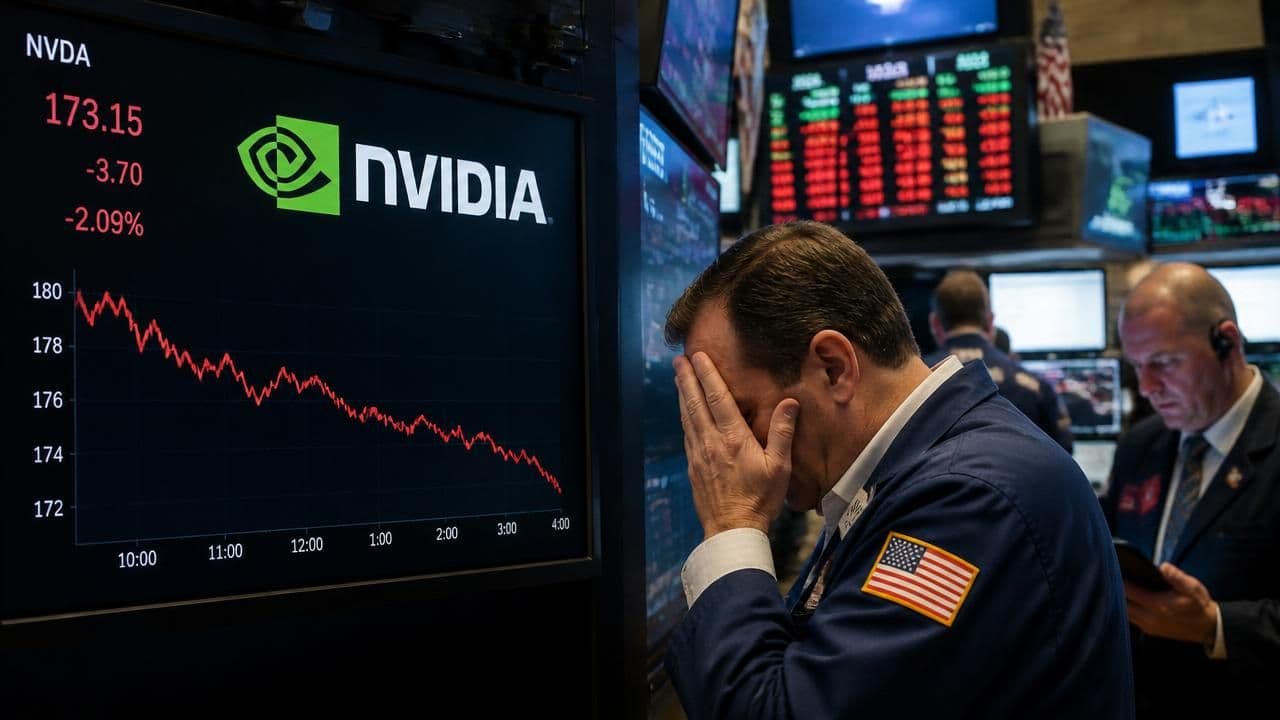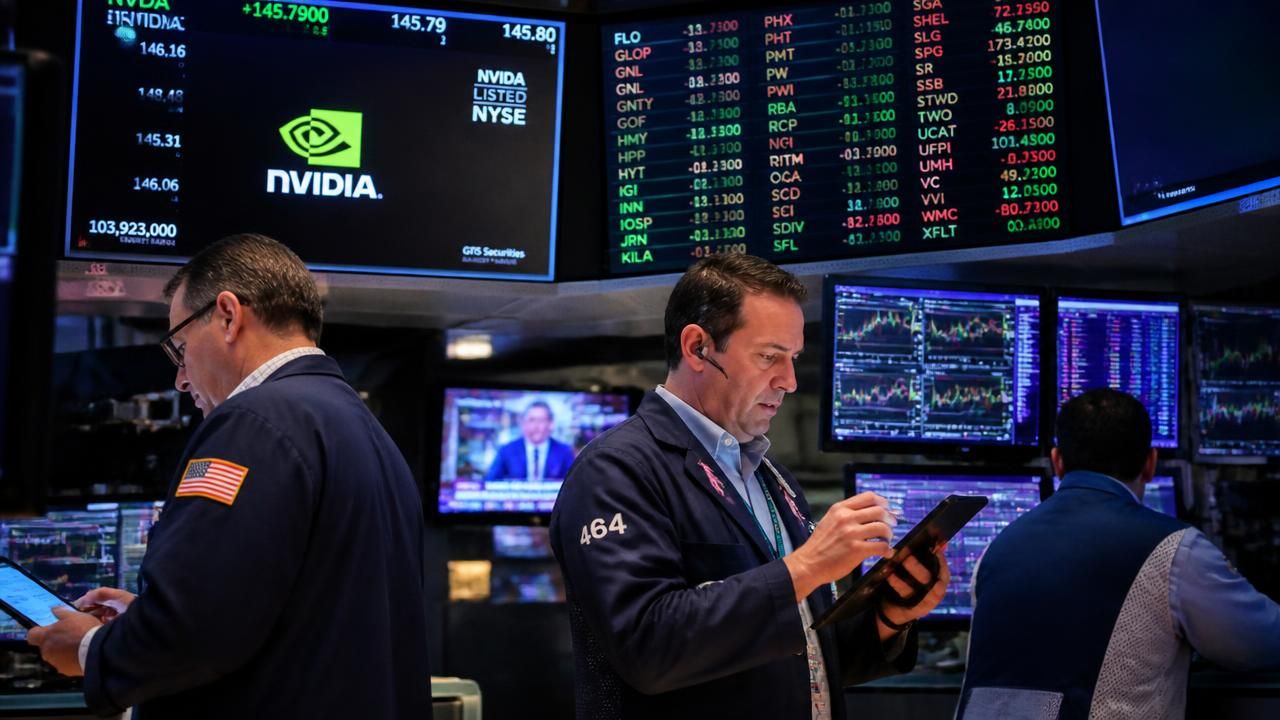
Nvidia Corp. delivered the number Wall Street had been bracing for, and global markets exhaled. The chipmaker's sales forecast topped analysts' estimates, triggering a rebound in semiconductor shares that rippled through U.S. equity futures and lifted the broader market out of a punishing rout, according to Bloomberg Markets. Treasuries slipped as risk appetite returned.
The relief was visible across index futures: Nasdaq contracts jumped, with the Dow and S&P 500 also pointing higher, as Nvidia shares rebounded and cloud-computing provider CoreWeave soared following its own earnings report. The move marked a sharp reversal from the tone that had dominated trading desks only hours earlier, when futures were sliding ahead of the chipmaker's results amid a deepening sell-off in technology names.
A reprieve for the AI trade
The stakes around Nvidia's report had grown almost impossibly high. As the single largest beneficiary of the artificial intelligence build-out — and, by market capitalization, one of the most influential companies in the world — Nvidia has become the de facto barometer for whether the AI investment cycle still has room to run. Every guidance number it publishes is read less as a corporate disclosure than as a verdict on a multi-trillion-dollar capital-spending boom.
Equities rebounded from a punishing rout in semiconductor shares after Nvidia Corp.'s sales forecast topped Wall Street estimates, assuaging some concerns about the artificial intelligence trade. — Bloomberg Markets
That framing — assuaging concerns rather than eliminating them — captures the mood precisely. The rebound was greeted as a breathing space, not an all-clear. Analysts had spent the days before the print flagging technical warning signs in Nvidia's chart even while arguing a bounce was plausible; the outcome vindicated the second half of that view, but left the first largely intact.
From jitters to relief: how the session unfolded
The trading day was a study in whiplash. Pre-market coverage before the release focused on five things investors needed to know before the opening bell, with futures pointing lower as caution gripped desks. Once Nvidia's numbers landed, the script flipped. Nasdaq futures surged, chip stocks rallied broadly, and the Dow and S&P 500 futures turned positive.
Apple drags, AMD looms, CoreWeave soars
The picture was not uniformly bright. In a separate session, Dow futures dropped as Apple sank following its earnings report, even as chip stocks mounted a rebound of their own while investors positioned for AMD's results. That divergence — hardware and consumer-device names under pressure while AI-infrastructure plays recover — has become a defining feature of this market. Earlier in the month, the Dow had climbed ahead of Apple's report and again as Wall Street watched AI stocks intently, underscoring how narrowly the index's momentum has been concentrated.
CoreWeave's post-earnings surge added another layer. The company, which rents out GPU capacity to AI developers, functions as a pure-play proxy for demand beyond Nvidia itself. Its strength reinforced the argument that enterprise spending on AI compute remains robust — a data point that matters as much as Nvidia's own guidance.
The bear case never went away
Beneath the relief rally sits an uncomfortable statistic: even after the rebound, the Nasdaq posted its fourth consecutive weekly decline. U.S. stocks bounced, but the index still logged a fourth straight losing week — a streak that speaks to how persistently selling pressure has resurfaced despite repeated single-day rallies.
The sources frame the same events through markedly different lenses. Bloomberg emphasizes the macro mechanics — equities up, Treasuries down, a rotation back into risk. Futures-focused coverage leads with the drama of the pre-market swing from losses to gains. Earnings-driven outlets foreground the individual names: Apple's slide, AMD's pending results, CoreWeave's breakout. And technical coverage, published before the print, warned of warning signs in Nvidia's price action while still leaving room for a rebound.
Read together, the coverage points to a market that is fundamentally split. Bulls see confirmation that AI demand is intact and that the sell-off was positioning rather than repricing. Skeptics see a stock that needs to beat and raise every quarter merely to hold its valuation, and an index whose gains hinge on a handful of megacap names.
Why it matters beyond the tape
- Concentration risk: With Nvidia and a small cohort of AI-linked companies driving index performance, single-name earnings events now function as macro catalysts.
- Capex transmission: Hyperscaler and neocloud spending — reflected in CoreWeave's results — feeds directly into semiconductor order books.
- Rate sensitivity: The slip in Treasuries signals that stronger risk appetite can quickly revive yield pressure, a dynamic that has repeatedly capped tech rallies.
- Breadth problem: Apple's decline alongside chip strength illustrates how uneven this recovery remains.
What to watch next
Attention now shifts to AMD's results, which will test whether the rebound is a sector-wide reset or an Nvidia-specific bounce. Apple's post-earnings trajectory will determine whether the Dow can hold its footing. And the Nasdaq's weekly streak looms over everything: another down week would suggest the AI-optimism trade, however potent on any given morning, has yet to reclaim the momentum that carried it through the past two years.
For now, Nvidia has bought the market time. Whether it bought conviction is a question the next batch of earnings — and the next four Fridays — will answer.