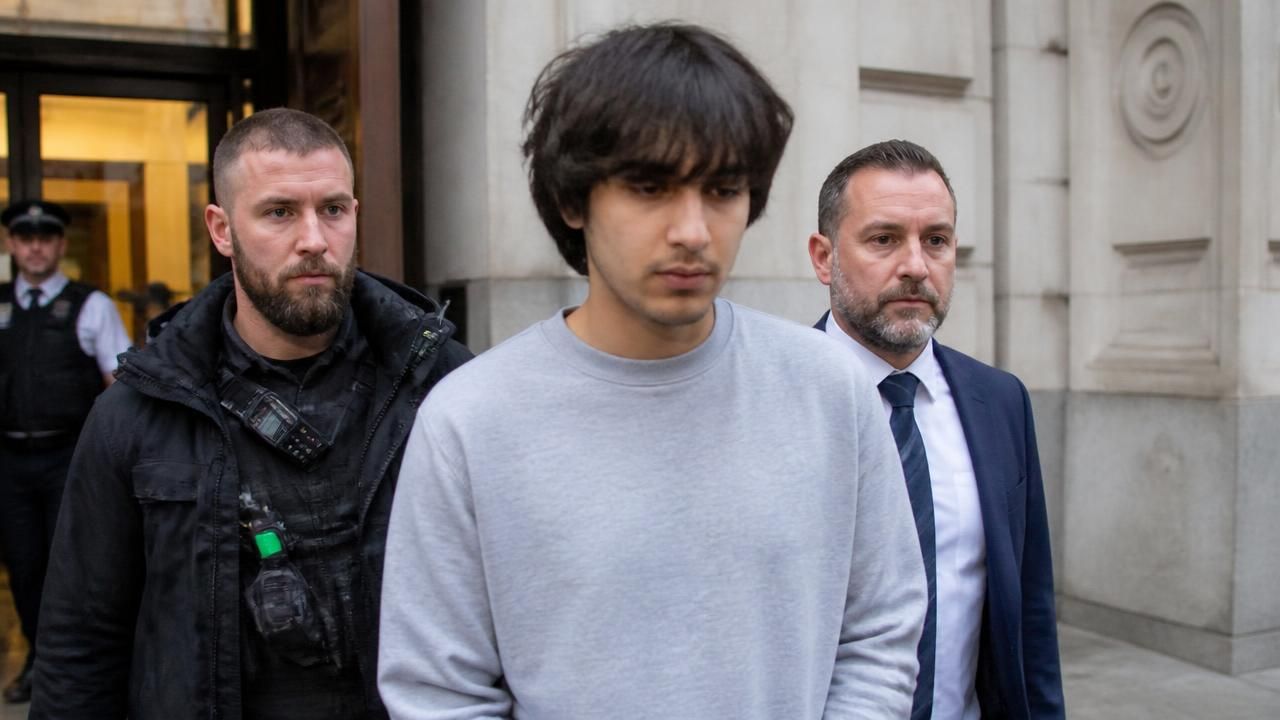
Arion Kurtaj, a member of the notorious Lapsus$ cybercrime collective, pleaded guilty on Monday to a sweeping series of cyberattacks that included the theft and publication of 90 early-development videos from Rockstar Games' Grand Theft Auto VI, according to the UK's Crown Prosecution Service. The plea closes one of the most closely watched hacking cases in the video game industry's history — and one that gave the world its first real look at the most anticipated entertainment product of the decade.
Kurtaj, now 21, admitted to offences spanning Rockstar Games, Uber, Revolut and the telecom giant BT/EE, which owns the EE mobile network. British prosecutors confirmed the guilty pleas, while Rockstar has said the 2022 breach cost the company roughly $5 million.
How a Fire Stick and a Hotel TV Toppled a Megacorp
The details of the intrusion are almost as surreal as the leak itself. According to reporting surrounding the case, Kurtaj carried out the Rockstar hack while under police protection and living in a Travelodge-style hotel, having been moved there in September 2022 for what authorities described as his "own protection." He had already been charged over the BT/EE offences and released on bail.
He then breached those bail conditions — allegedly using only a mobile phone, an Amazon Fire Stick and the hotel room's smart television. From that improvised setup, investigators say, he gained access to Rockstar's internal Slack channels and file servers, ultimately exfiltrating dozens of clips from an in-development build of GTA VI, including footage that revealed the game's dual protagonists, Lucia and Jason.
The company "noted a marked increase in unauthorised SIM swaps of their customers mobile phones" beginning in early November 2021, according to prosecutors' account of the BT/EE intrusions.
The SIM-swap campaign against BT/EE customers between August and November 2021 formed the earliest strand of the case. From there, Kurtaj's activities escalated to high-profile corporate breaches that also hit Uber and the digital bank Revolut — both of which have since publicly acknowledged security incidents around the same period.
A Case That Keeps Returning to Court
Monday's plea is the latest turn in a legal saga that has already produced unusual outcomes. Kurtaj was previously assessed as unfit to stand trial, a determination that led to a jury being asked whether he had carried out the acts rather than whether he was criminally responsible — a procedure that nevertheless resulted in him being detained in a secure hospital. Reports of his release and subsequent return to court explain the framing used by several outlets on Monday: that the hacker pleaded guilty "after hospital release."
Coverage of the plea varied sharply by outlet, reflecting how the story straddles crime, business and gaming culture. The Verge led on the Crown Prosecution Service confirmation and the Lapsus$ connection, treating it as a cybersecurity story. Tech and gaming outlets such as Shacknews and Sportskeeda foregrounded the $5 million damages figure, framing it as corporate accountability. Hindustan Times emphasised the breadth of victims — Rockstar, Uber and Revolut — while the Economic Times focused on the technical audacity of the Fire Stick method. Spanish-language outlet Reporte Índigo framed the story around Lucia, the character whose reveal the leak spoiled, underscoring how deeply the breach is tied to the game's marketing identity.
Why the Timing Matters
Several reports noted the plea landed just days before Grand Theft Auto VI's launch — a coincidence that has amplified attention on the case. The leak, which surfaced in September 2022, forced Rockstar into an unprecedented position: acknowledging publicly that early footage was real, while insisting the game's development would not be materially affected.
In a statement at the time, Rockstar said it was "extremely disappointed" that its work had been shared this way and that it would "continue to work to deliver a truly next-generation gaming experience." Take-Two Interactive, Rockstar's parent company, has since consistently said the breach caused no lasting disruption to the development timetable — though the $5 million figure cited by the company suggests the incident carried real financial weight, whether through incident response, legal costs or lost marketing control.
The Lapsus$ Question
Kurtaj's case is inseparable from Lapsus$, the loose, largely teenage cybercrime group that between 2020 and 2022 breached Nvidia, Samsung, Microsoft, Okta and T-Mobile, among others. Unlike traditional ransomware crews, Lapsus$ typically eschewed encryption-for-payment in favour of extortion, social engineering and sheer notoriety — a model that made the group a celebrity phenomenon online even as it caused hundreds of millions of dollars in losses.
Security researchers have repeatedly cited the group as evidence that determined, socially adept attackers can bypass even mature corporate defences using nothing more than a phone call, a SIM swap and a smart TV in a budget hotel. For the industry, the lesson of Monday's plea is less about one hacker than about the durability of that playbook.
Kurtaj now awaits sentencing, with a date not yet confirmed by the Crown Prosecution Service. What remains certain is that the 90 clips he released in 2022 permanently altered how GTA VI was introduced to the world — and that a hotel room, a Fire Stick and a television proved to be enough to breach one of the entertainment industry's most secretive studios.