In a significant reprieve for American consumers, inflation slowed sharply in June, with the annual rate dropping to 3.5% from May's 3.8%, according to data from the Bureau of Labor Statistics. The monthly decline of 0.1% was the largest since 2020, fueled by a steep drop in gasoline prices. However, economists and policymakers warn that the respite may be temporary, as geopolitical tensions—particularly the resumption of conflict with Iran—threaten to push energy costs higher again.
What the Data Shows
The June Consumer Price Index (CPI) report, released Thursday, revealed that core inflation, which excludes volatile food and energy prices, also eased to 4.2% year-over-year, down from 4.4% in May. On a monthly basis, core prices rose just 0.2%, the smallest gain in nearly two years. The headline figure of 3.5% was below economists' expectations of 3.6%, according to a Reuters poll.
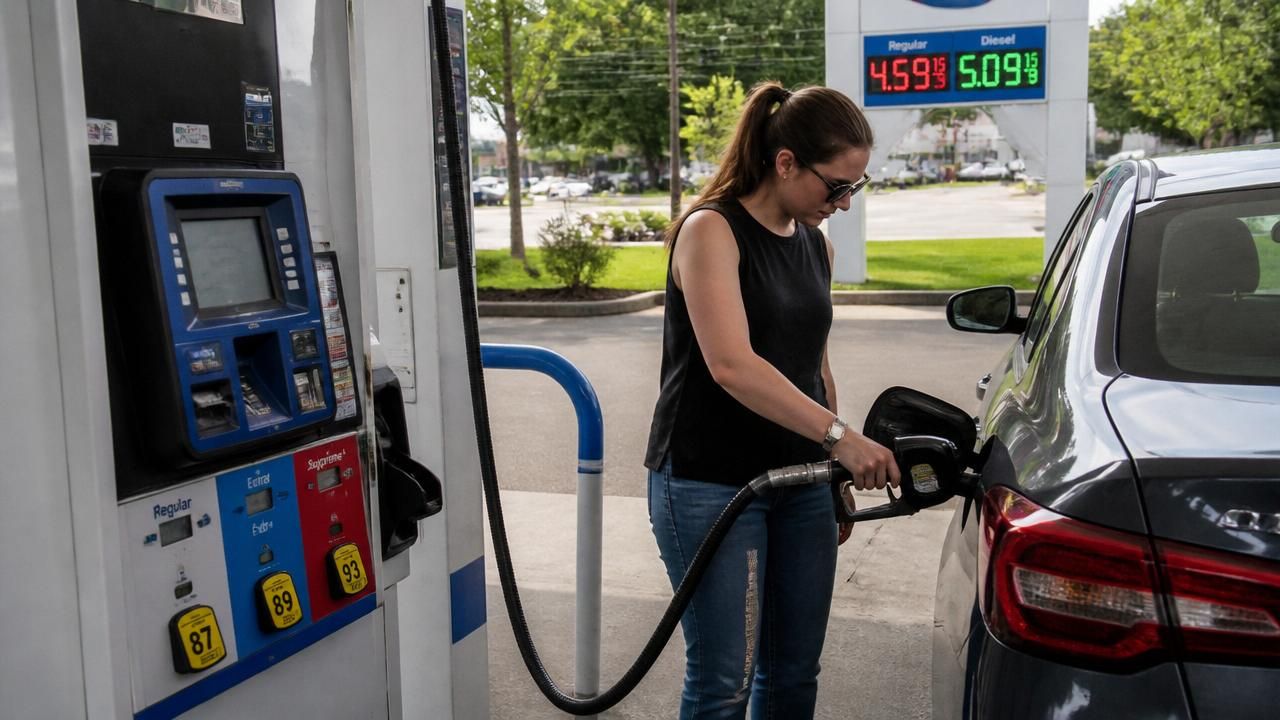
The main driver of the slowdown was the energy index, which fell 3.2% in June, led by a 7.4% plunge in gasoline prices. This marked the largest monthly decline in gasoline since April 2020, when the pandemic crushed demand. Food prices, meanwhile, remained elevated, rising 0.3% for the month and 5.7% annually. Shelter costs, a persistent driver of inflation, increased 0.4% monthly and 7.8% year-over-year, though the pace is slowing.
Differing Perspectives on the Data
News outlets framed the report with varying degrees of optimism and caution. NBC News declared, “The U.S. is winning the inflation fight,” highlighting that the data sets the scene for a long-awaited interest rate cut by the Federal Reserve. Similarly, MSN reported that “inflation cooled sharply as gas prices plunge,” and that the CPI report showed inflation eased more than expected, boosting hopes for a rate cut.
In contrast, NPR emphasized the fragility of the progress, noting that “the resumption of the conflict with Iran threaten to push up inflation as energy costs once again spike.” Investopedia struck a skeptical tone, titling its piece “Inflation Slowed Sharply In November, But Data Distortions Make Experts Skeptical,” though the article itself was paywalled. The Wall Street Journal focused on the broader economic context, noting that “economic growth slowed in the fourth quarter, hurt by the government shutdown,” and that the inflation report is a key input for Fed policy.
International perspectives also emerged. Bloomberg reported that “German inflation slowing sharply to 2% backs ECB rate hold,” showing a similar trend in Europe. Turkey's inflation, while still extremely high at 64.3%, also slowed sharply, according to the Times of Malta.
Geopolitical Risks and the Fed's Dilemma
The primary cloud on the horizon is the potential for renewed energy price spikes. The conflict with Iran, which had briefly de-escalated, has flared up again, threatening oil supplies through the Strait of Hormuz. Any disruption could reverse the recent decline in gasoline prices, which have fallen from over $5 per gallon a year ago to around $3.60 today.
Federal Reserve Chair Jerome Powell has repeatedly stated that the central bank is data-dependent and remains committed to bringing inflation down to its 2% target. The June CPI report strengthens the case for a rate cut at the September meeting, but policymakers will be watching the July and August data closely. According to the CME FedWatch Tool, markets are now pricing in a 70% chance of a 25-basis-point cut in September, up from 50% before the report.
Broader Economic Context
The inflation slowdown comes amid mixed signals on the economy. While job growth slowed sharply in June, with the labor force participation rate falling to a more than five-year low, consumer spending has remained resilient. The government shutdown in the fourth quarter of last year dented GDP growth, but the economy has since rebounded. The housing market remains tight, with mortgage rates above 7%, but shelter inflation is gradually cooling.
Historical Context and Expert Views
Inflation has fallen from a peak of 9.1% in June 2022, but progress has been uneven. The current 3.5% rate is still well above the Fed's target. Some economists argue that the recent slowdown is partly due to base effects and one-time factors, such as the drop in gasoline prices. Others point to structural changes, like easing supply chains and moderating rent growth, as more sustainable drivers.
“The core CPI reading is encouraging, but we need to see a sustained trend before declaring victory,” said Sarah Johnson, chief economist at Morningstar. “The labor market remains tight, and services inflation is sticky. The Fed will be cautious.”
Implications for Consumers and Markets
For consumers, the drop in gasoline prices provides immediate relief, but food and shelter costs remain high. The average household is still spending more on everyday necessities than a year ago. If the Fed cuts rates later this year, borrowing costs for mortgages, car loans, and credit cards could decrease, providing further relief.
Stock markets reacted positively to the inflation report, with the S&P 500 and Nasdaq both rising more than 1% on Thursday. However, the gains were tempered by concerns over geopolitical risks and the upcoming earnings season.
Conclusion
The June CPI report marks a significant milestone in the fight against inflation, but it is not the final chapter. The combination of falling gasoline prices and moderating core inflation has boosted hopes for a soft landing, where inflation cools without a recession. Yet, as multiple sources have noted, the path ahead is fraught with risks—from geopolitical shocks to sticky services inflation. The Federal Reserve's next moves will be crucial in determining whether this progress is sustained or reversed.