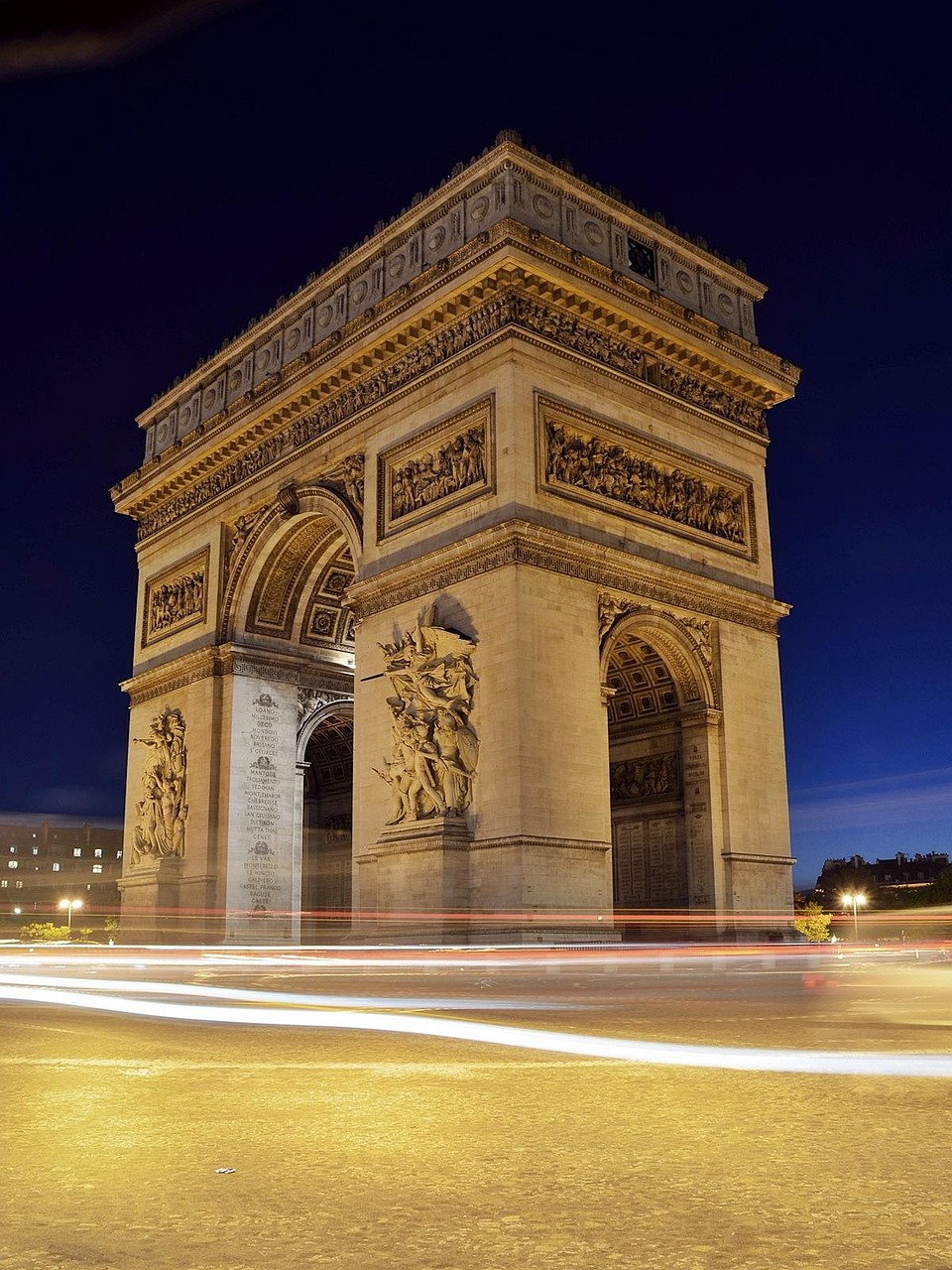
President Donald Trump's plan to erect a towering gilded triumphal arch in Washington, D.C., ran into a wall of legal and political resistance this week, as a federal judge ordered an immediate pause on construction, the Kennedy family filed suit to block the project, and congressional Democrats began assembling the oversight and funding levers they hope can stop it.
The arch — one of several monumental projects Trump has championed across the capital, alongside a new ballroom and a proposed overhaul of a District golf course — was approved and then almost immediately frozen. According to The New York Times, the judge acted "promptly" to block work after the approval went through, while Bastille Post reported a federal judge ordered a 14-day delay on any work beginning on the structure.
A shadow over Arlington
The most emotionally charged objection comes from the Kennedy family, which joined federal lawsuits arguing the project is unlawful. The Guardian reported that the Kennedys' suit contends the arch would "cast shadow" over President John F. Kennedy's gravesite at Arlington National Cemetery. MSN confirmed the family had joined the U.S. litigation to block what it called Trump's "unlawful" arch plan.
The dispute turns on sightlines and sanctity as much as zoning: the arch, as envisioned, would be tall enough to alter the skyline visible from the cemetery's sloping grounds, where JFK's eternal flame draws millions of visitors. Critics argue that no building permit process adequately weighs the symbolic weight of the site.
"It would cast a shadow over the gravesite" — the core claim in the Kennedy family's lawsuit seeking to halt construction.
Plans, publicity and a race against January
Even as courts intervened, the administration pressed its public case. The Associated Press reported that although the arch is blocked for now, a glitzy new website highlights the plans in detail — a sign the White House intends to fight rather than retreat. Trump himself has said the towering arch might be dedicated to military veterans, a framing that shifts the project's meaning from personal monument to national memorial.
Yahoo News reported whistleblower claims that records related to the D.C. arch are being destroyed as the administration races to build before January — an allegation that, if substantiated, would add a records-preservation fight to the legal docket and could trigger separate congressional scrutiny.
Democrats reach for the levers
NPR reported that as the projects wind through the courts, many critics are increasingly looking to Congress rather than judges to stop them. Democrats' available tools include:
- Appropriations: withholding or conditioning federal funds tied to planning, security and infrastructure surrounding the projects.
- Oversight: hearings, subpoenas and document demands — including on the whistleblower allegations of destroyed records.
- Investigations: IJR reported that congressional Democrats have vowed to investigate the administration broadly, including its tariff actions, signaling an aggressive posture going into the new session.
The Chicago Tribune framed the dynamic bluntly: as Congress returns to Democrats, one likely casualty is Trump's District of Columbia projects. The Atlantic, meanwhile, argued in one piece that Trump may come to regret his "rush job" on the arch and ballroom — and in another that Democrats should cut a deal with Trump rather than fight every project, suggesting that not all observers see confrontation as the smart play.
The golf course fight
Separately, a Democratic lawmaker is moving to prevent Trump from buying a D.C. golf course after federally funded renovations, according to MSN — a proposal that ties directly to a broader question of whether public money can flow into projects that ultimately benefit the president's private interests. Politico reported that details of Trump's D.C. golf course plan had been revealed, adding another front to a widening fight over who controls the capital's public land.
Competing frames
The coverage reveals sharply divergent framings of the same story. Outlets close to the administration's message emphasize the arch as a veterans' memorial and a civic adornment; the Kennedys' legal filings emphasize desecration of a sacred site; congressional Democrats emphasize fiscal impropriety, records destruction and executive overreach; and The Atlantic offers a contrarian view that the rush — not the ambition — is Trump's real vulnerability.
What unites these accounts is timing. The 14-day judicial pause is temporary and will expire unless extended, meaning the next phase will be fought simultaneously in courtrooms, in committee rooms and in the court of public opinion.
What happens next
Lawyers for the Kennedy family and other plaintiffs will seek a longer injunction. The administration is expected to argue that it has followed federal review procedures and that the arch honors veterans. Democrats, newly empowered in the House, will test whether funding restrictions and subpoena power can achieve what litigation may not. And the whistleblower allegations — if they gain traction — could transform a dispute over aesthetics and heritage into an investigation of whether the historical record itself is being erased.
For now, the arch exists mostly as renderings on a website and a set of contested plans — a monument to ambition stalled, at least temporarily, by a judge's order and a family's grief.