A comprehensive review published in a leading journal has found that people who consume the most chili peppers may face a substantially higher risk of esophageal cancer, one of the deadliest forms of the disease. The findings, reported by Science Daily, have sparked debate among researchers and health experts about the safety of spicy foods, though the study's authors emphasize that the results show an association, not proof of cause and effect.
The Study's Key Findings
The review, which analyzed data from multiple studies involving hundreds of thousands of participants, found that individuals with the highest intake of chili peppers had a significantly elevated risk of esophageal cancer. However, the evidence was less clear for stomach and colorectal cancers. Researchers noted that the link was strongest in certain populations where chili consumption is particularly high, such as in parts of Asia and Latin America.
“This is an important finding, but it's not a reason to panic,” said Dr. Maria Lopez, a lead author of the study. “We're seeing an association, but we need more research to understand whether moderate consumption carries similar risks and what biological mechanisms might be at play.”
Understanding Capsaicin
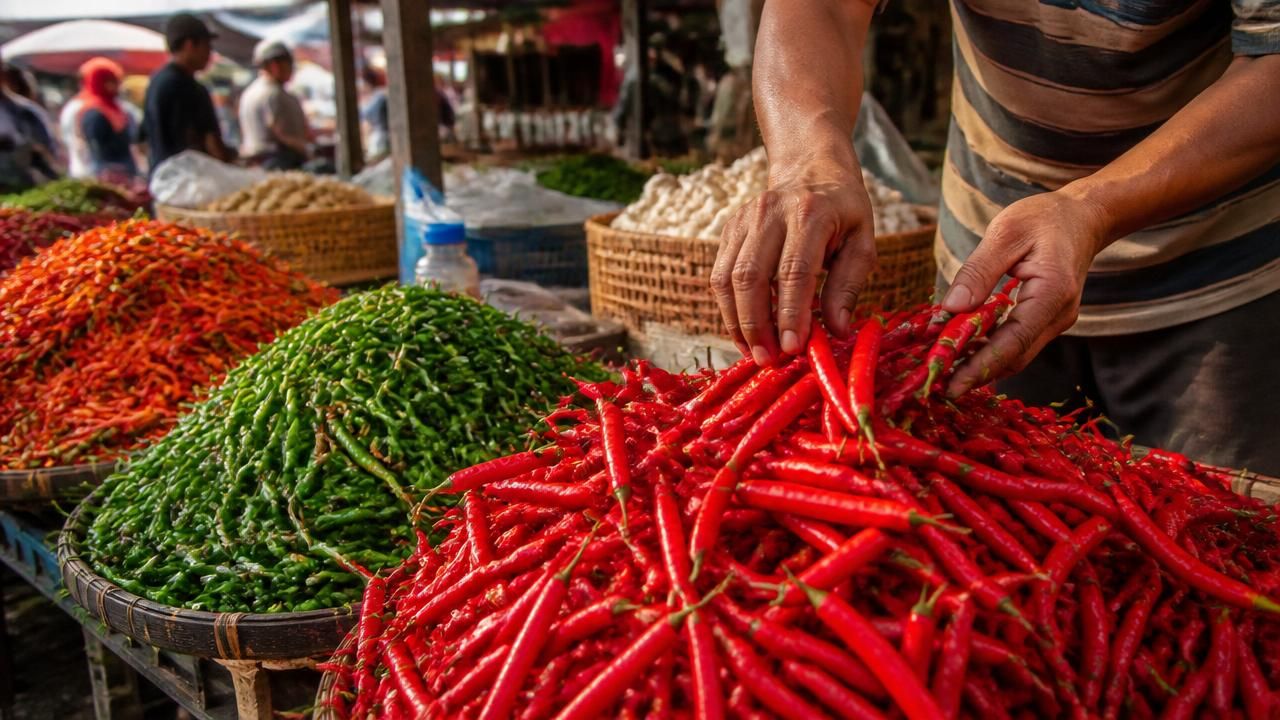
The compound responsible for the heat in chili peppers is capsaicin, which binds to pain receptors in the mouth and throat. As BBC.com reported, capsaicin can cause side effects such as burning sensations, stomach upset, and even vomiting when consumed in large amounts. Some studies have suggested that capsaicin might have both protective and harmful effects on the body, depending on dosage and individual factors.
Historical Context
Chili peppers have been a staple in human diets for thousands of years, particularly in Central and South America, Asia, and Africa. While earlier research has linked spicy food consumption to both benefits (such as improved metabolism and reduced inflammation) and risks (including irritation of the digestive tract), the new review adds to a growing body of evidence that high intake may be a double-edged sword.
Differing Perspectives
Not all sources agree on the implications. The Healthy, in a list of foods tied to cancer, included chili peppers among items that may increase risk, but also acknowledged that the evidence is mixed. Meanwhile, Everyday Health reported on foods that may affect PSA levels in men, but their article on chili peppers was inaccessible due to a 403 error. Other sources, such as BuzzFeed and Health.com, focused on hot dogs and processed meats, which are known carcinogens, but did not directly address chili peppers.
Some nutritionists argue that the findings should be interpreted with caution. “Chili peppers are also rich in vitamins and antioxidants,” said registered dietitian Sarah Thompson. “The key is moderation. Eating a chili pepper now and then is unlikely to cause harm, but consuming them in very large quantities every day might be a different story.”
What This Means for Consumers
For now, experts recommend that people who enjoy spicy foods continue to do so in moderation, especially if they have a history of digestive issues or are at higher risk for esophageal cancer. The study's authors call for further research to clarify the dose-response relationship and to explore potential confounding factors, such as other dietary habits and lifestyle choices.
As the debate continues, one thing is clear: the relationship between diet and cancer is complex, and no single food is likely to be the sole cause. A balanced diet, rich in fruits, vegetables, and whole grains, remains the best defense against chronic disease.