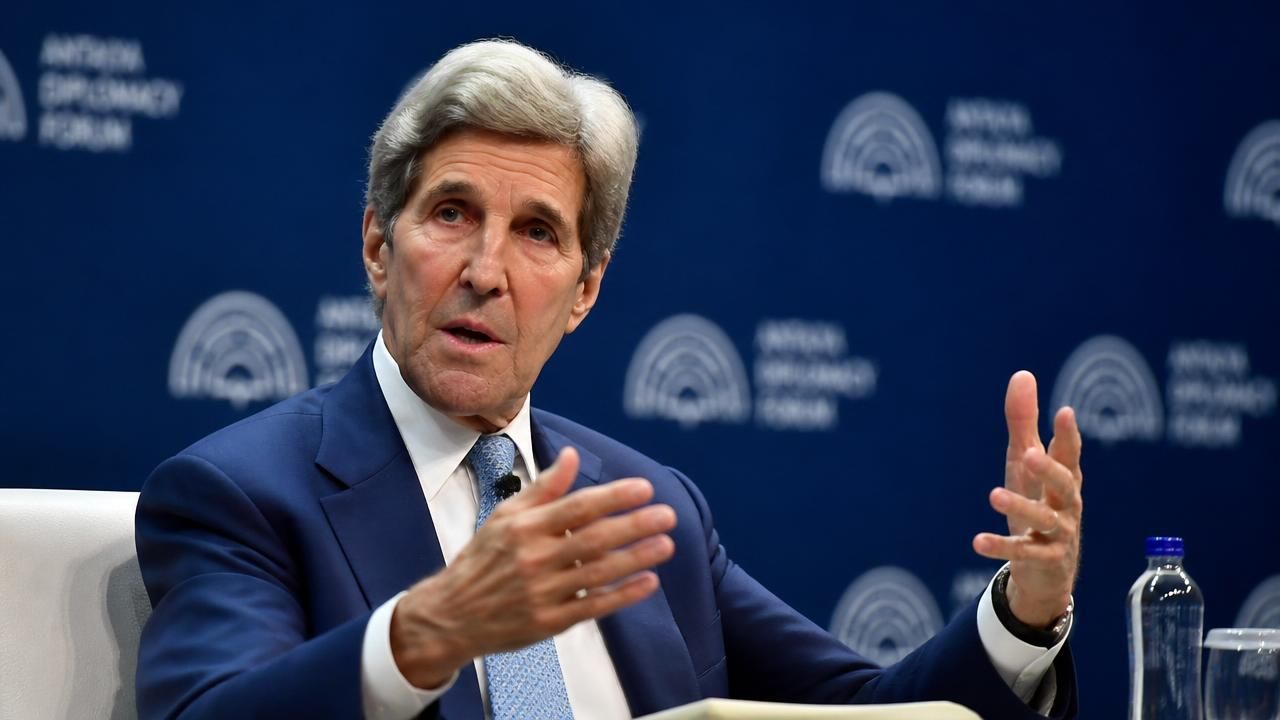
The COP31 climate summit opened this week in Antalya, Türkiye, with an unfamiliar message at the top of the agenda: the world's most influential climate diplomat came not to scold China, but to praise it. John Kerry, the 68th US Secretary of State and former presidential climate envoy, told a Bloomberg Green audience that Beijing has moved decisively ahead of the rest of the world in building the clean energy economy.
"China now leads on green energy — the rest of the world is stumbling along," Kerry said in a conversation with Bloomberg's Aaron Rutkoff on the sidelines of the summit. The remark, echoed in headlines from The Guardian to MSN, reframes a debate that for years cast Beijing as the laggard holding up global decarbonization.
The Affordability Argument
Kerry's core case, as he laid it out in Antalya, was economic rather than moral. Clean energy, he argued, has become the cheapest path to power generation for most of the world, and the countries that build supply chains fastest will set the terms of the next several decades of industrial policy. Bloomberg Markets framed the appearance around precisely that theme: affordability, global climate progress, and the question of US leadership.
It is a message that plays directly into domestic politics in Washington. A Center for American Progress analysis of the midterm campaign season found candidates in competitive races increasingly pairing clean energy policy with household cost-of-living arguments rather than the language of emissions targets — evidence that the affordability frame Kerry is testing abroad has already migrated into American electoral messaging.
A Finance Plan to Unlock Action
Kerry did not arrive with only rhetoric. Reuters reported that he and Mark Carney, the former Bank of England governor and Canadian prime minister, have been advancing a joint finance framework intended to pull private capital toward climate projects by lowering the perceived risk of emerging-market investment. The plan's logic is that public guarantees and blended-finance structures can move institutional money at a scale that aid budgets alone cannot.
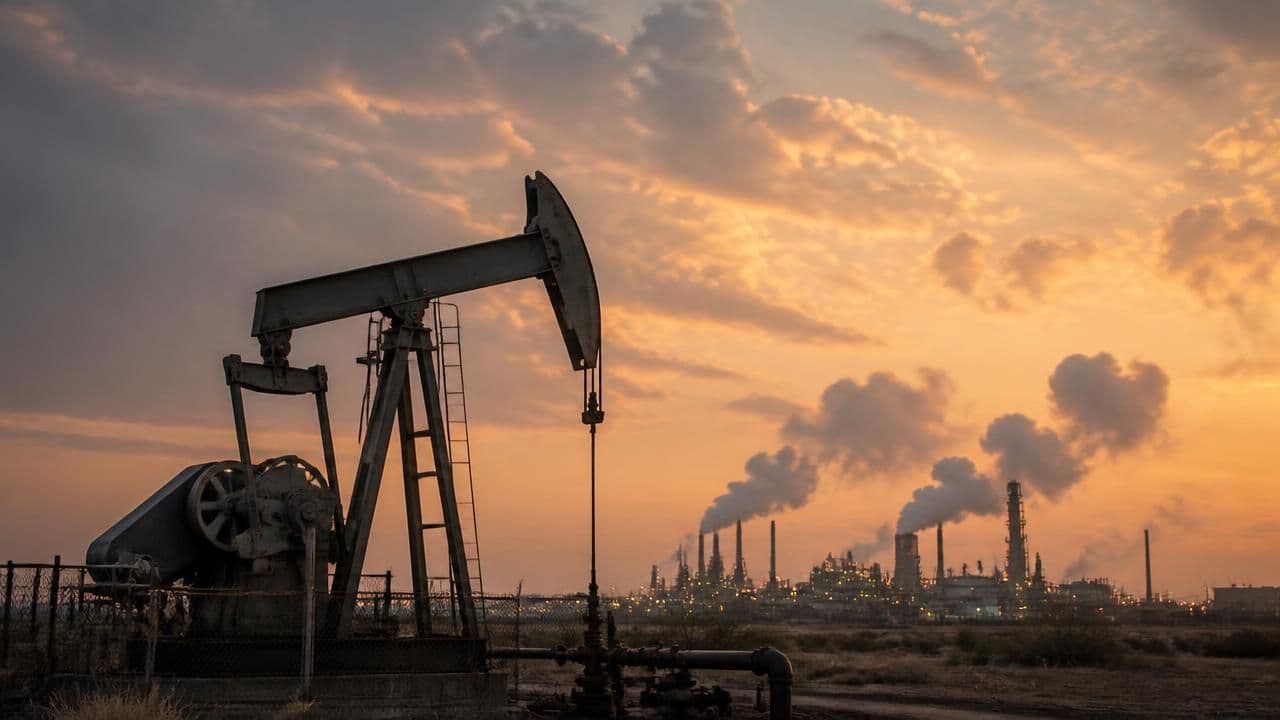
The proposal lands in a difficult environment. Delegates in Antalya are working against a backdrop of war-driven energy insecurity; the Arkansas Democrat-Gazette noted that the summit is set to see clean energy goals tested by conflict, as governments prioritize supply security over transition timelines. Türkiye's own hosting has drawn scrutiny for the same reason — The Guardian's live coverage noted that the host country was celebrating new oilfield developments even as the summit entered its second day.
Brazil Charts a Fossil-Fuel Exit
Against that friction, Brazil presented a road map for moving away from fossil fuels and toward renewables at the UN talks, offering one of the few concrete transition pathways tabled so far. China's delegation, meanwhile, found an unexpected constituency: Global Times reported that Chinese clean energy products — solar, storage and electric vehicles — drew praise from delegates for driving down costs and accelerating the green transition.
"Everything and everyone we love is at stake."
That warning came from Greta Thunberg, whose appearance at COP31 served as a counterweight to the summit's incrementalism, according to The Guardian's live blog.
Washington's Ambiguous Presence
Kerry projected confidence that the United States will return to international climate cooperation, telling Report.az that he expects Washington to re-engage fully with multilateral climate processes. His optimism is shared by a Democratic contingent in Antalya that traveled to COP31 explicitly to signal that the US has not abandoned the fight, as Yahoo News UK reported.
Yet the domestic picture is contradictory. Senators Martin Heinrich and Sheldon Whitehouse were, per The Hill, unbothered by President Trump's latest anti-wind commentary — a sign that some Democrats now treat such attacks as background noise. In Massachusetts, Senator Ed Markey, a longtime climate champion, was projected to win reelection over Republican challenger Deaton, per MSN, preserving a key voice in the Senate.
The Backlash at Home
Not every obstacle is in Washington. In New York, the town of New Scotland has become, in the words of the Times Union, "a microcosm of fervent clean energy opposition" — local resistance to transmission lines and solar siting that increasingly defines the practical limits of the transition. It is a reminder that the affordability case Kerry is making globally must survive zoning boards and county hearings at home.
What to Watch
- Whether the Kerry–Carney finance framework wins endorsement from development banks and private lenders before the summit closes.
- Whether Brazil's fossil-fuel road map becomes the template for the summit's final text.
- How forcefully the US delegation, absent executive leadership, can shape negotiations from the sidelines.
- Whether China's manufacturing advantage translates into diplomatic leverage over the summit's outcome documents.
The throughline from Antalya is a shift in framing rather than a breakthrough in policy. A decade ago, climate diplomacy was organized around who would cut emissions and how much. COP31 is organized around who can build clean energy cheapest, who can finance it, and who can sell it. On all three questions, Kerry's assessment was blunt: for now, the answer starts with Beijing.