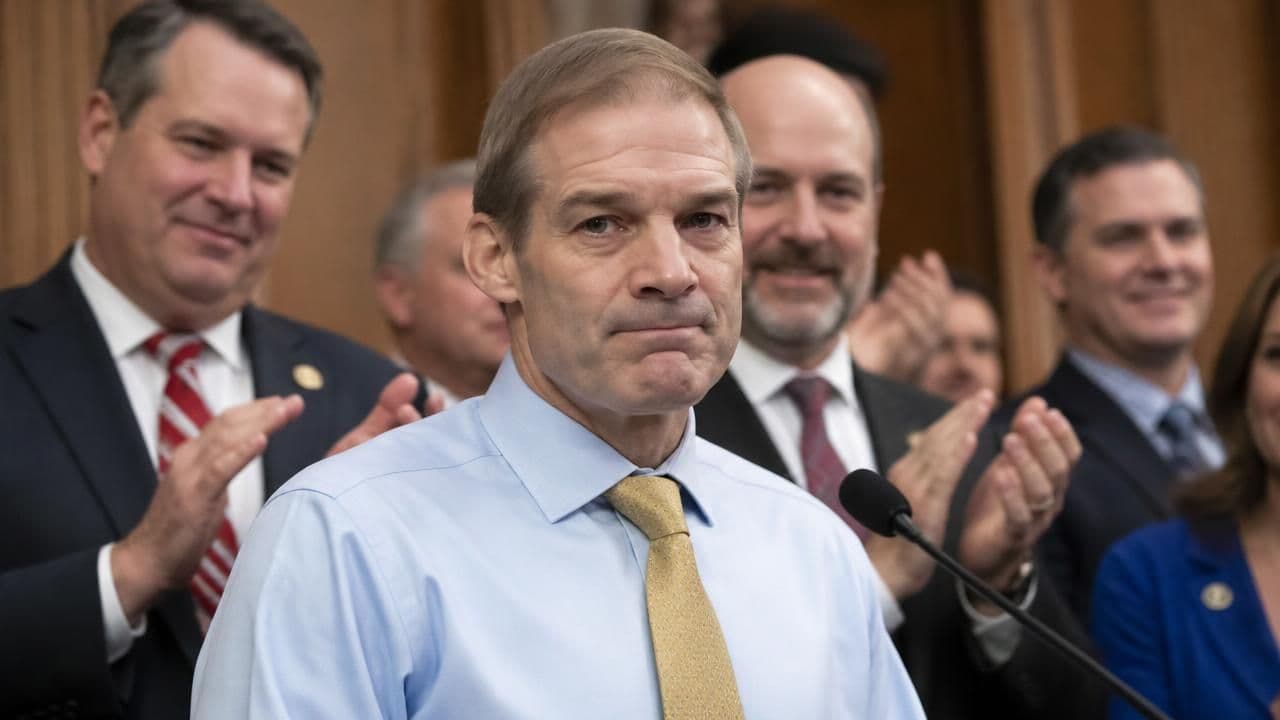
WASHINGTON — The House is set to vote on whether to impeach Defense Secretary Pete Hegseth, after Republican Rep. Thomas Massie filed articles of impeachment and forced a floor confrontation that is testing party loyalty and congressional oversight of the Pentagon.
The move comes as Hegseth prepares for his first Pentagon news briefing since May and as he publicly pushes back against the impeachment effort, defending his handling of Iran policy and dismissing the charges as political. The House is expected to read the accusations against him and vote on an effort that could foil or advance the charges, according to live coverage from The New York Times and other outlets.
How the fight unfolded
Massie, a Kentucky Republican known for breaking with party leaders, introduced the articles of impeachment and forced Congress to take up the measure. Live updates described an impromptu briefing by President Donald Trump and Massie reading the articles on the floor. MSN and other outlets reported that the vote was a humiliating moment for rebel Republicans and a rare direct challenge to a Cabinet secretary.
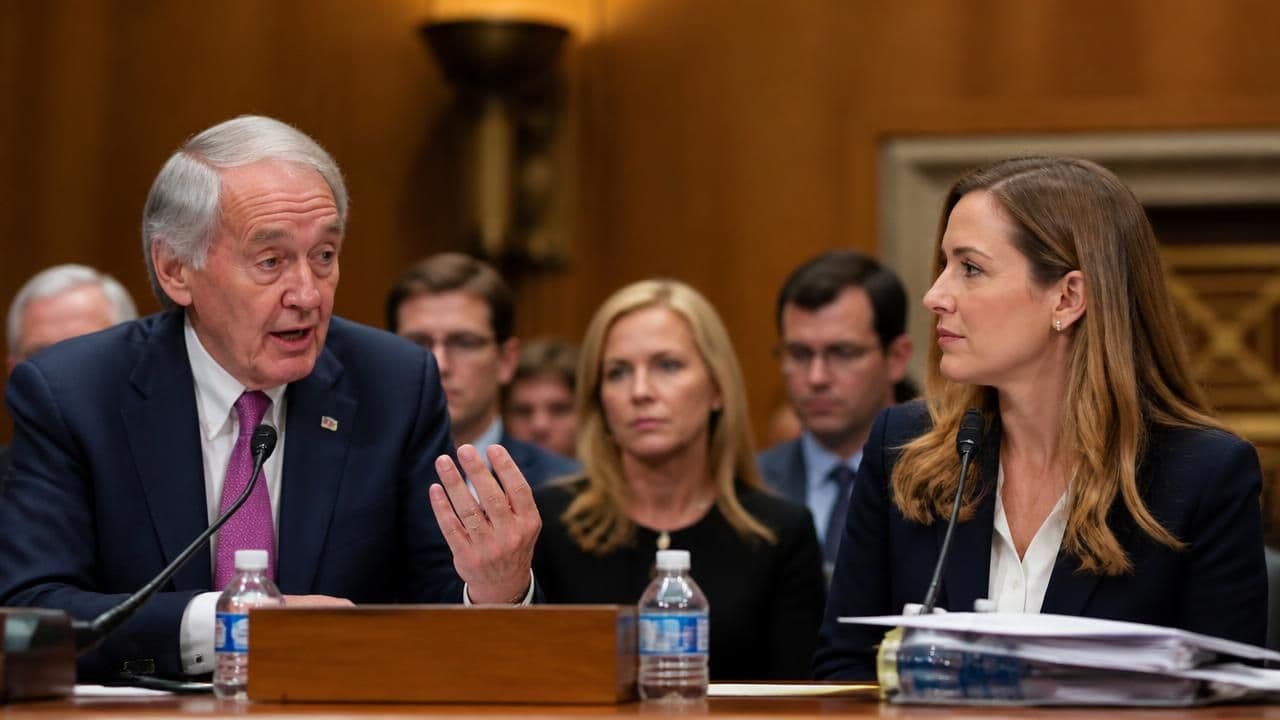
NPR Politics reported that the House could vote to impeach Hegseth, but removing him from office will be tough. That reflects the two-step constitutional process: the House charges, and the Senate tries. The Associated Press, in an explainer, noted that impeachment is not only for presidents and outlined how the process works for Cabinet secretaries.
Impeachment is not only for presidents. How does the process work for Cabinet secretaries? — Associated Press
Under the Constitution, the House can impeach a civil officer by a simple majority vote. The Senate then holds a trial, with the chief justice presiding when the president is tried; for a Cabinet secretary, the Senate determines its own procedures. Conviction requires a two-thirds vote of senators present. History offers few precedents: the House impeached Secretary of War William Belknap in 1876, but the Senate acquitted him after he resigned, with many senators questioning jurisdiction.
Hegseth fires back
Hegseth has decried the impeachment push and defended his Iran war handling, according to MSN. After the rebel Republican effort forced the vote, he fired back, framing the charges as an attempt to undermine the Pentagon at a moment of international tension. His first Pentagon news briefing since May is likely to be dominated by questions about the impeachment, his management of the department and his relationship with the White House.
The political stakes are substantial. MSN described the impeachment drive as giving a wounded Hill GOP new power, suggesting that restive Republicans see the fight as leverage in internal party battles. Massie's move also exposes fractures between Trump loyalists and lawmakers who want stricter oversight of the Defense Department.
A tabloid storm and replacement talk
The Daily Mail, in a report that could not be independently verified, described Hegseth as stubborn and said unnamed insiders were giddy over a lethal dossier of secrets. The tabloid framed the episode as the beginning of his downfall and said Hegseth believes God wants him to run the Pentagon. Those claims rely on anonymous sources and should be treated with caution, but they add to the atmosphere of crisis around the defense secretary.
Yahoo reported that Trump is considering replacing Hegseth with Florida Gov. Ron DeSantis. That report, if accurate, signals that the White House is weighing political damage and may be preparing an exit strategy even as Hegseth publicly fights back. No replacement decision was confirmed in the available reports.
The wider political backdrop
The Hegseth fight is unfolding alongside other high-stakes developments in Washington. NPR reported that the Supreme Court ruled a federal judge did not have the authority to halt border wall construction, a win for Trump's immigration agenda. Yahoo's midterm elections coverage also reported that the Supreme Court denied a Trump bid to segregate California votes, another election-related ruling with national implications.
The Guardian's live politics coverage reported that Trump ally Jim Jordan is set to lead House Republicans next year, with John Thune returning as Senate minority leader. Those leadership developments matter because they shape the incentives around the Hegseth vote: party leaders must decide whether to protect a controversial Cabinet secretary or allow a messy public reckoning.
What happens next
The House vote will determine whether Hegseth becomes the rare Cabinet secretary impeached by the chamber. Even if the effort succeeds in the House, Senate conviction remains unlikely given the two-thirds threshold and the political dynamics. But the process itself can inflict damage: it forces Republicans to take a public position, generates a stream of negative coverage and complicates Hegseth's ability to run the Pentagon.
For now, all eyes are on the floor vote and Hegseth's briefing. Supporters say he is being targeted for political reasons; critics argue that the charges deserve a full hearing. The outcome will test whether a single rebel Republican can force his party to confront a high-profile member of the Cabinet — and whether the Senate would ever follow through.