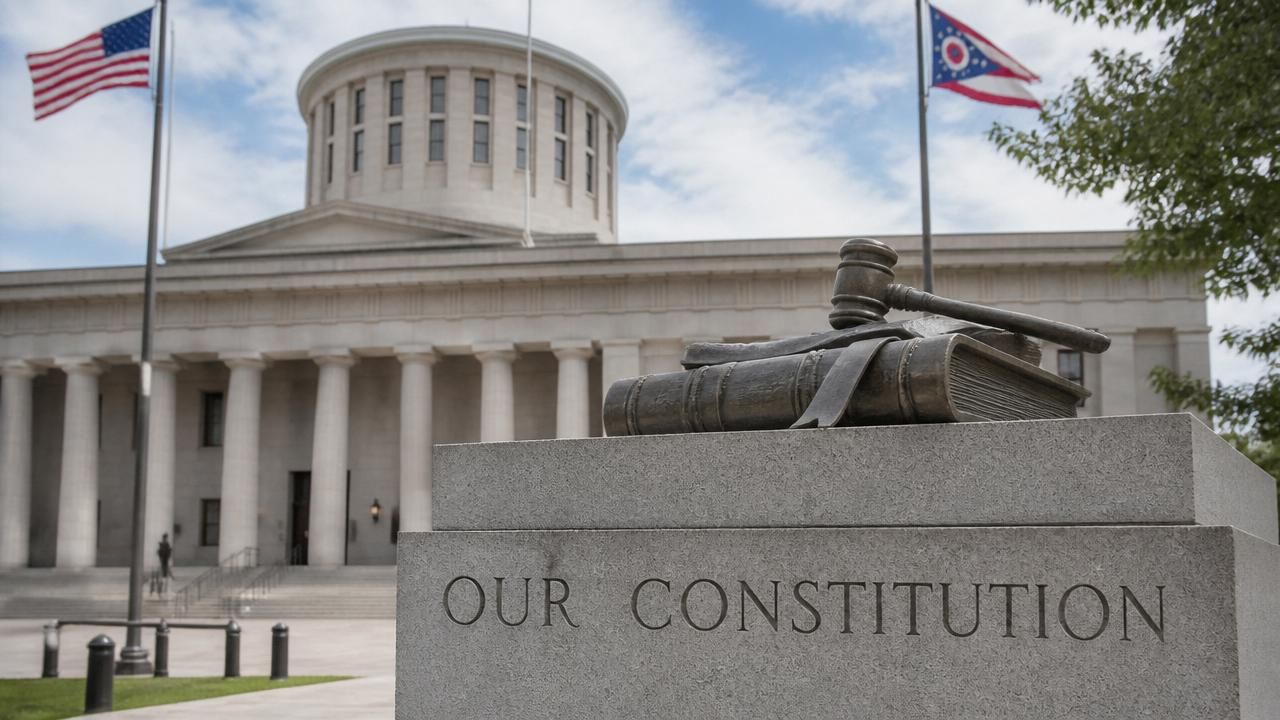
Across the United States, a growing number of state legislatures are advancing measures that would make it harder for citizens to amend state constitutions through ballot initiatives. These efforts, often championed by Republican lawmakers, have ignited a fierce debate over the balance between representative democracy and direct citizen action. From Ohio's August special election on Issue 1 to Missouri's proposed 'ballot candy' law, the push to raise the bar for constitutional amendments is reshaping the landscape of citizen-led governance.
The National Trend: Raising the Bar
According to NPR, several states will ask voters this year to approve higher thresholds for passing constitutional amendments. These measures typically require a supermajority vote—often 60%—rather than a simple majority. Advocates argue that such changes protect state constitutions from well-funded special interests and ensure broad consensus for fundamental law changes. Critics, however, see them as an assault on direct democracy, designed to suppress progressive initiatives like abortion rights, minimum wage increases, and redistricting reforms.
Ohio's Issue 1: A Flashpoint
Ohio has become a central battleground. The Ohio House voted to send a 60% approval requirement to a special August election, as reported by the State News. The Ohio Capital Journal notes that Issue 1, as it is known, would also make it harder for citizen-led initiatives to qualify for the ballot. Opponents, including the ACLU and voting rights groups, have labeled it an attempt to fool voters
and a power grab by the GOP. The special election date—August 8—has drawn criticism for being low-turnout and strategically chosen to favor conservative voters.
Missouri's Multiple Fronts
Missouri is another hotspot. The Missouri Independent reports that the state House advanced a bill to raise the amendment threshold, while a separate lawsuit challenges the inclusion of ballot candy
—popular but unrelated provisions—to sweeten the measure for voters. The Kansas City Star (via KCUR) covered massive protests at the state capitol, with demonstrators chanting They can't win, so they cheat.
The Missouri Independent also notes that Republicans renewed their push after voters approved Medicaid expansion and anti-gerrymandering reforms via initiative.
Idaho, Oklahoma, and Beyond
Similar battles are playing out in Idaho, where a constitutional amendment to raise ballot initiative requirements advanced in the Legislature, per the Idaho Capital Sun. In Oklahoma, Representative Fugate filed legislation to let voters decide on protecting initiative petition rights, as reported by the state House website. The Wisconsin Examiner covered a non-citizen voting amendment referendum that passed, adding another layer to the debate over who gets a voice in direct democracy.
The Federal Dimension: SAVE Act and Voter ID
At the federal level, the SAVE Act and its more extreme counterpart, the SAVE America Act, have drawn fire. The American Progress analysis explains that the SAVE America Act would require documentary proof of citizenship to vote, potentially disenfranchising millions. The Chicago Tribune quotes an official saying the legislation could make it harder for women to vote, especially those who changed names after marriage. A USA Today opinion piece notes that while voter ID laws are popular, making voting harder is not, and Senate Democrats may defeat the SAVE Act—but that is not enough.
Historical and Legal Context
Direct democracy through ballot initiatives has a long history in many states, particularly in the West and Midwest. The Texas Constitution, for example, is amended frequently by voters, as Houston Landing explains. However, the current wave of restrictions is unprecedented in its scope. The AFL-CIO outlines 25 reasons why voter ID laws are unconstitutional, citing Wisconsin's experience as a cautionary tale. Politico notes that Democrats cannot match the GOP's gerrymander push, which is often linked to these amendment restrictions.
Differing Perspectives
Supporters of higher thresholds argue they prevent fleeting majorities from enshrining policy in constitutions, which are meant to be foundational documents. They point to out-of-state money influencing campaigns. Opponents counter that these measures are partisan power grabs, designed to lock in conservative priorities and block progressive wins. The Carolina Forward report on Bad Constitutional Amendments
warns that such changes undermine the people's voice. In Minnesota, as MPR News notes, voters cannot bring issues to the ballot at all, highlighting the diversity of state approaches.
What's at Stake
With several states holding votes on these measures in 2024, the outcome could redefine the power of citizens to shape their own laws. The St. Louis Post-Dispatch (via Missouri Independent) captured the sentiment of protesters: They can't win, so they cheat.
As the battle lines harden, the future of direct democracy in America hangs in the balance.