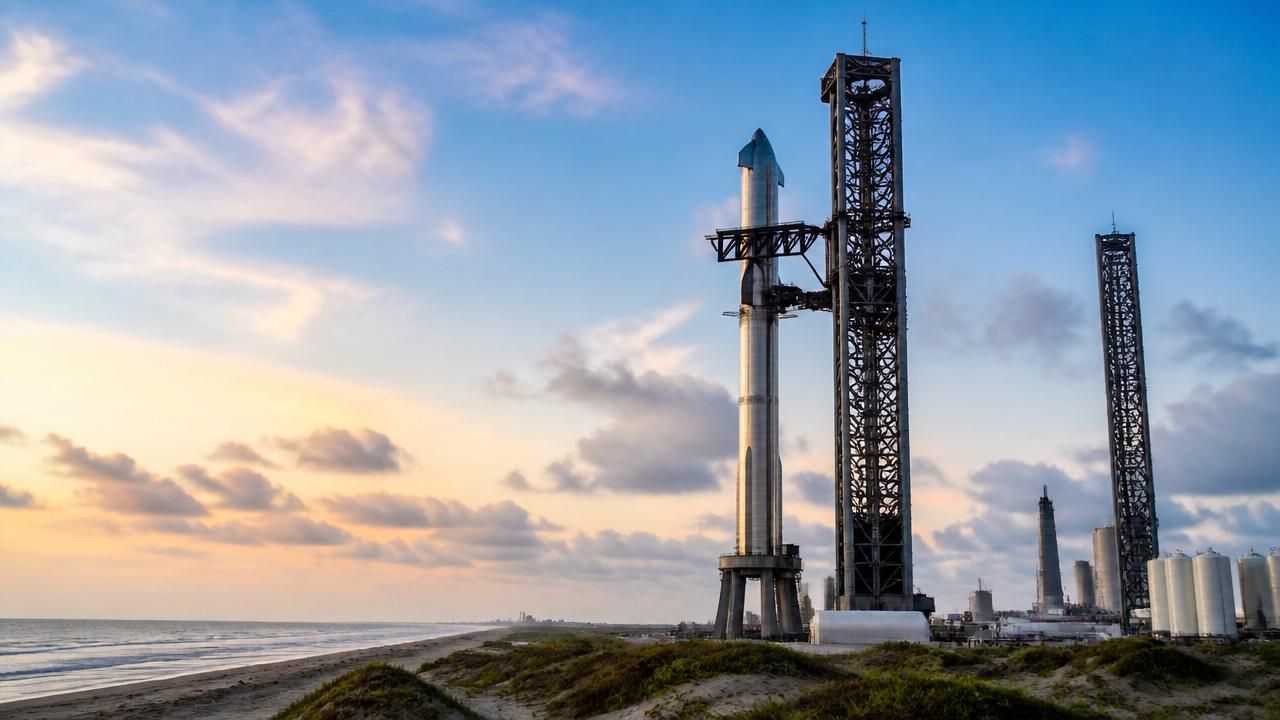
SpaceX is poised to launch the 13th full-scale test flight of its Starship megarocket as soon as Thursday, July 16, 2026, from its Starbase facility in Boca Chica, Texas. The launch window opens at 5:45 p.m. CDT (22:45 UTC), and the mission represents a critical step forward in the vehicle's development, particularly in demonstrating its ability to deploy operational payloads.
What's New for Flight 13
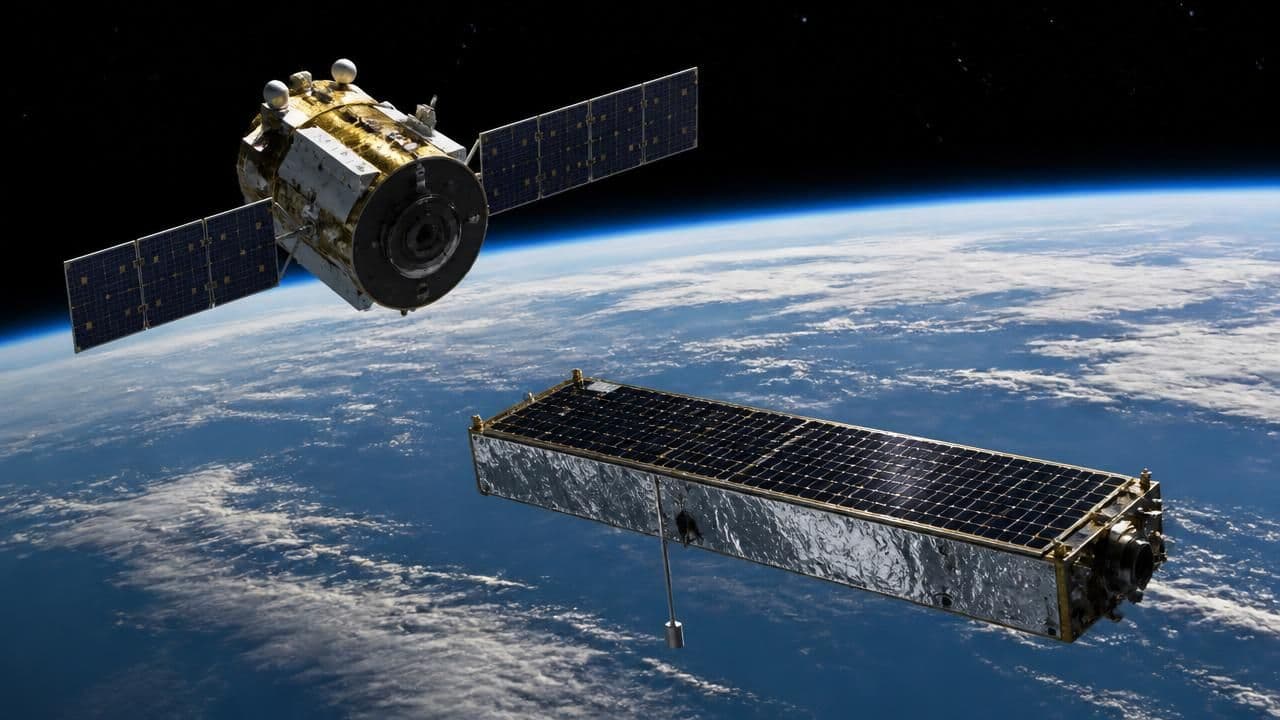
While the overall trajectory and objectives of Flight 13 mirror those of the previous flight in May, there are several key differences. The most notable change is the inclusion of 20 real, functioning Starlink Version 3 satellites inside Starship's cargo bay. Previously, SpaceX tested the payload deployment mechanism using mass simulators. According to Ars Technica, technicians have installed these satellites into the ship's deployer—a system of pulleys and cables designed to eject a stack of satellites one at a time through an opening on the side of the spacecraft.
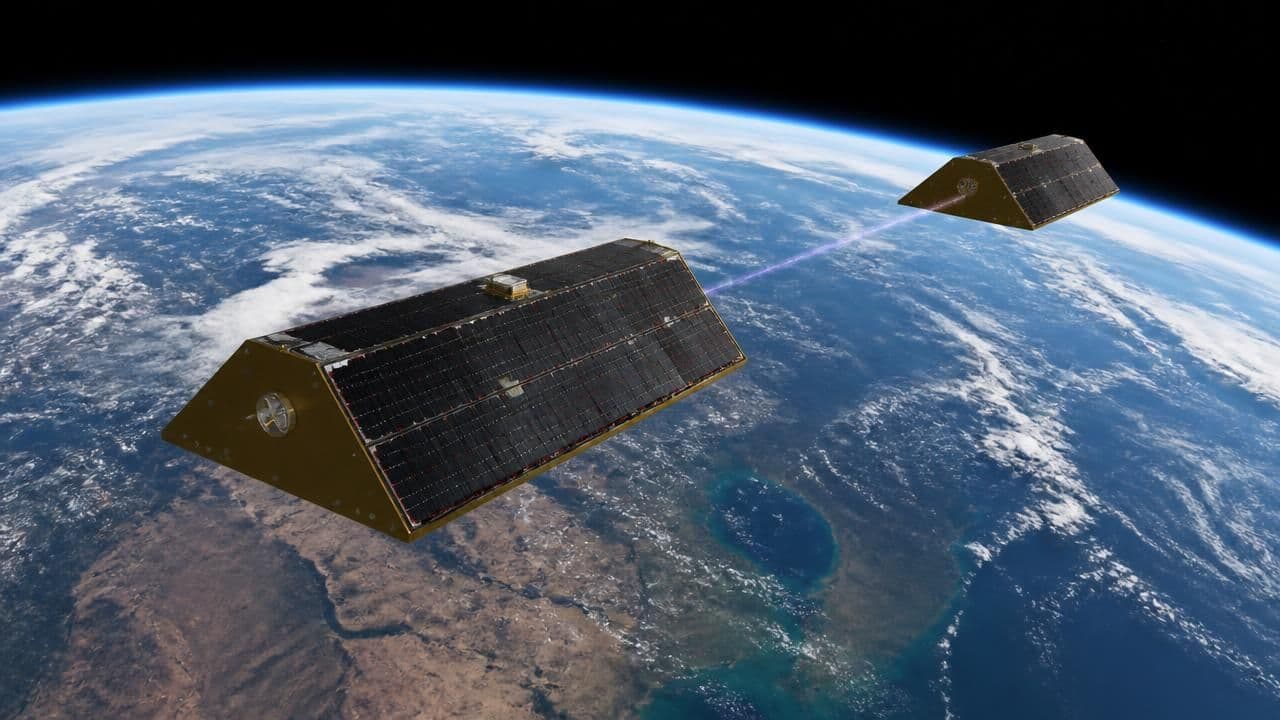
The satellites will not become part of SpaceX's operational Starlink constellation, but engineers plan to attempt brief laser communication links between the Starlink V3s and other spacecraft in low-Earth orbit. Success would validate the interoperability of the new V3 satellites with the existing Starlink network, a crucial capability for future expansion.
Mishap Investigation Cleared
SpaceX has also cleared a mishap investigation related to the previous Starship flight, according to multiple sources including Reuters and MSN. The Federal Aviation Administration (FAA) closed the probe, allowing the company to proceed with Flight 13. Details of the anomaly that triggered the investigation have not been fully disclosed, but the swift resolution indicates that the issue was well-understood and addressed.
Prelaunch Preparations
In the days leading up to the launch, SpaceX conducted a static fire test of the Super Heavy booster, igniting its 33 Raptor engines while the vehicle remained anchored to the pad. Space.com reported that the test, which included the booster designated Booster 14, was a key milestone toward demonstrating reusability. The company also performed a prelaunch rehearsal, and the vehicle has been cleared for flight.
Different Perspectives from Sources
The coverage of Flight 13 varies across outlets. Ars Technica and Space.com focus on the technical details and the significance of deploying real satellites. Reuters emphasizes the regulatory aspect, noting the closure of the mishap probe. Meanwhile, NextBigFuture.com highlights the rapid pace of development, pointing out that the launch is just three days away. Some sources, like Seeking Alpha, discuss the financial implications: Raymond James analyst described Flight 13 as a key test of SpaceX's push for more launches, which is critical for the company's valuation and revenue from Starlink.
Historical Context and Future Implications
Starship is the largest rocket ever built, standing nearly 400 feet tall when fully stacked. It is designed to be fully reusable and capable of carrying up to 100 metric tons to orbit. The vehicle is central to SpaceX's plans to deploy the next-generation Starlink constellation, as well as NASA's Artemis program, which aims to return humans to the Moon. The successful deployment of Starlink V3 satellites on Flight 13 would demonstrate Starship's ability to serve as a heavy-lift launcher for commercial payloads.
“This flight is a crucial step toward operational capability,” said a SpaceX spokesperson. “Deploying real satellites and testing laser links will validate key technologies for our network.”
What to Expect During the Flight
The hour-long mission will follow a similar profile to Flight 12: after liftoff, the Super Heavy booster will separate and attempt a controlled splashdown in the Gulf of Mexico, while the Starship upper stage continues to orbit. Approximately 40 minutes into the flight, the payload door will open, and the Starlink V3 satellites will be deployed one by one. The ship will then perform a deorbit burn and re-enter the atmosphere, targeting a splashdown near Hawaii.
SpaceX has not confirmed whether it will attempt to catch the Super Heavy booster with the launch tower's “chopstick” arms—a feat achieved on a previous flight. However, the static fire test of Booster 14 suggests the company is refining the recovery process.
Expert Views
Industry analysts see Flight 13 as a pivotal moment. “SpaceX is moving from testing basic vehicle performance to demonstrating operational capabilities,” said Dr. Laura Forczyk, a space industry consultant. “Deploying Starlink satellites is a huge milestone because it shows Starship can do real work.” Others caution that the vehicle still has a long way to go before it is certified for human spaceflight.
Conclusion
With the mishap probe closed, the static fire test complete, and real satellites loaded, SpaceX appears ready for another milestone in Starship's development. The launch, scheduled for Thursday evening, will be livestreamed on SpaceX's website and social media channels. Success would bring the company one step closer to a fully reusable launch system that could revolutionize access to space.