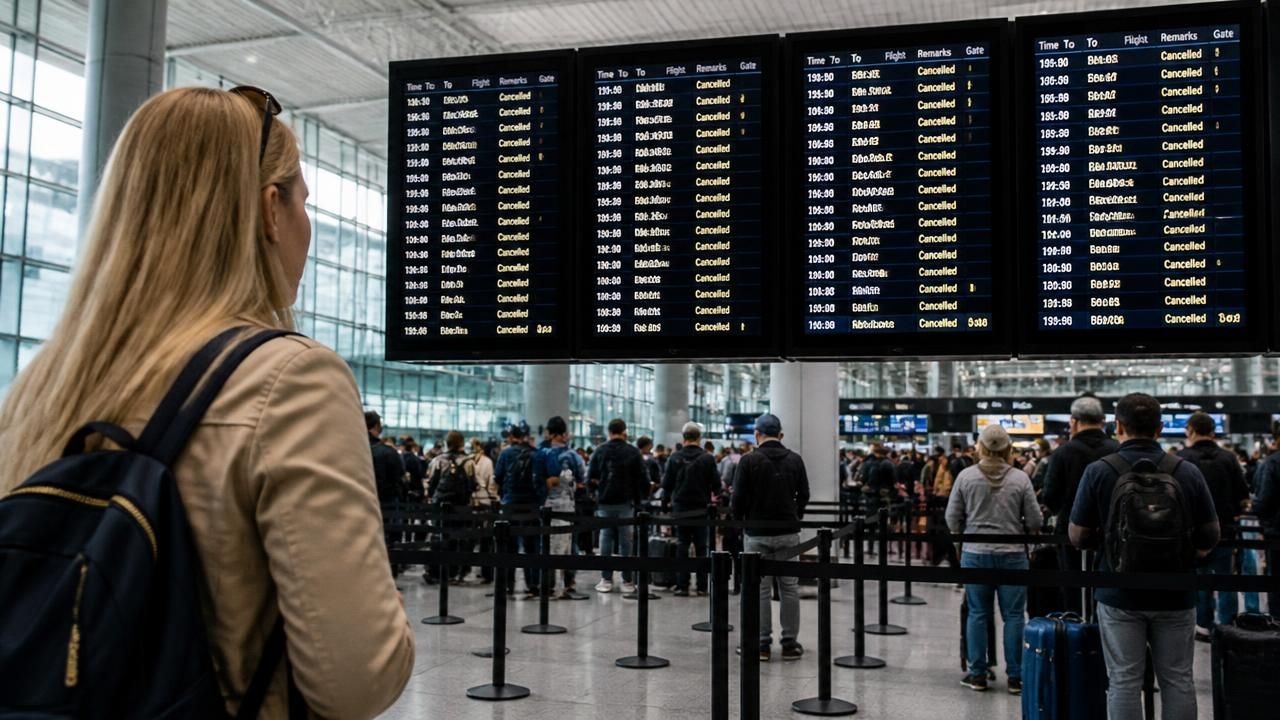
A wave of bomb threats and hoaxes has disrupted commercial aviation across Europe this week, forcing dozens of flights to be diverted, delayed or searched and prompting new security alerts at two British airports and Irish media offices. Officials have not reported finding explosives in any of the incidents, but the repeated alerts have unsettled travelers and intensified concern about hybrid attacks against Europe's transport and media infrastructure.
Reports on the number of affected flights varied as the fast-moving story developed. MSN and other outlets said more than 20 flights were disrupted; later summaries cited at least 25; The Guardian asked why more than 30 European flights had been hit by bomb threats this week. The discrepancy reflects the difficulty of tracking incidents in real time, as airlines, airports and police respond to separate alerts and sometimes revise information.
What happened
The first cluster of threats earlier this week targeted dozens of planes, according to The New York Times, which said more threats were reported Friday. BBC News reported that bomb hoaxes across Europe disrupted flights while two UK airports also received threats. Sky News' live coverage said more alerts were affecting planes around Europe as Irish media offices were evacuated. Yahoo and MSN reported that TV studios and newsrooms were also targeted, suggesting the campaign extended beyond aviation.
AP's live updates described multiple flights in Europe being diverted because of bomb threats after earlier hoaxes. Newsday, Deccan Herald and other outlets reported diversions and disruptions. The Spec said European air traffic was targeted by new threats in at least three incidents. The pattern was not confined to one airline or one country: flights to and from Britain were affected, and alerts rippled through airports and media organizations in different jurisdictions.
Hoax or threat?
The central question has been whether the alerts represent a credible plot or a coordinated campaign of hoaxes. Al Jazeera framed the story by asking whether the disruptions were hoaxes or bomb threats and what is known about the flight alerts across Europe. Officials have not reported finding any explosives. But security experts caution that a hoax is not harmless: every alert forces airlines and airports to follow expensive, time-consuming protocols.
Officials have not reported finding any explosives, but the hoaxes have added to anxiety over hybrid attacks on the continent. — The New York Times
When an airline receives a bomb threat, the response typically follows a well-rehearsed sequence. The crew alerts the captain and air traffic control; the aircraft may be diverted to a designated airport, held on a remote stand or searched after landing. Police, fire and medical services may be placed on standby. Passengers are often disembarked and rescreened, while baggage and the aircraft are checked. Even after an all-clear, delays can cascade through schedules and airports.
The Bastille Post examined what happens when airlines receive bomb threats, underscoring that the operational burden falls on carriers, airports and emergency services long after a threat is judged false. The disruption is compounded when alerts arrive in quick succession, stretching security and customer-service resources.
Security anxiety and hybrid attacks
The New York Times placed the alerts in the context of hybrid attacks on the continent—a term that can cover sabotage, disinformation, cyber operations and other asymmetric tactics. Officials have not publicly attributed this wave to a specific actor, and no explosives have been found. Still, the targeting of flights, airports and media offices has raised questions about vulnerabilities in open societies and the ease with which anonymous threats can generate chaos.
European security has been on edge since Russia's full-scale invasion of Ukraine, with governments warning about sabotage and hybrid activity. But attributing hoaxes is difficult: threats can be made by individuals, pranksters, extortionists or state-linked actors, and copycats can amplify a wave once it begins. The Guardian's framing—asking why more than 30 flights were hit this week—reflects the search for a pattern behind the alerts.
Industry condemnation
IATA, the global airline industry body, condemned the latest wave of hoax bomb threats against European airlines, according to Travel Weekly. The industry's concern is not only safety but cost: diversions, emergency responses, rescreening and lost passenger confidence all carry financial consequences. Airlines and airports argue that authorities must pursue those responsible and coordinate cross-border responses.
Public reaction has been mixed. The New York Times reported that the wave of bomb hoaxes left European travelers peeved, not panicked—frustrated by delays and cancellations rather than convinced of imminent danger. That mood may be cold comfort to security officials. A hoax that succeeds in disrupting travel can encourage further attempts, and media offices have now been drawn into the same pattern.
What to watch
Authorities will be watching for further alerts, copycat incidents and any sign that the threats are coordinated. Airports are likely to maintain heightened vigilance, and airlines may adjust security procedures. The bigger challenge is distinguishing between noise and a genuine plot without overreacting to every claim.
The week's events have already shown how quickly a wave of threats can spread across borders, affecting flights, airports and newsrooms. Whether the campaign is criminal, malicious or politically motivated, the impact is real: disrupted journeys, stretched security services and a public left to weigh official reassurance against the next alert.